Africa’s South Africa has joined six other countries vying to host the 2036 Olympic Games, underscoring how the International Olympic Committee’s revamped selection process is drawing unusually broad global interest from both emerging and established sports powers.
South Africa Joins 2036 Olympic Bid Race
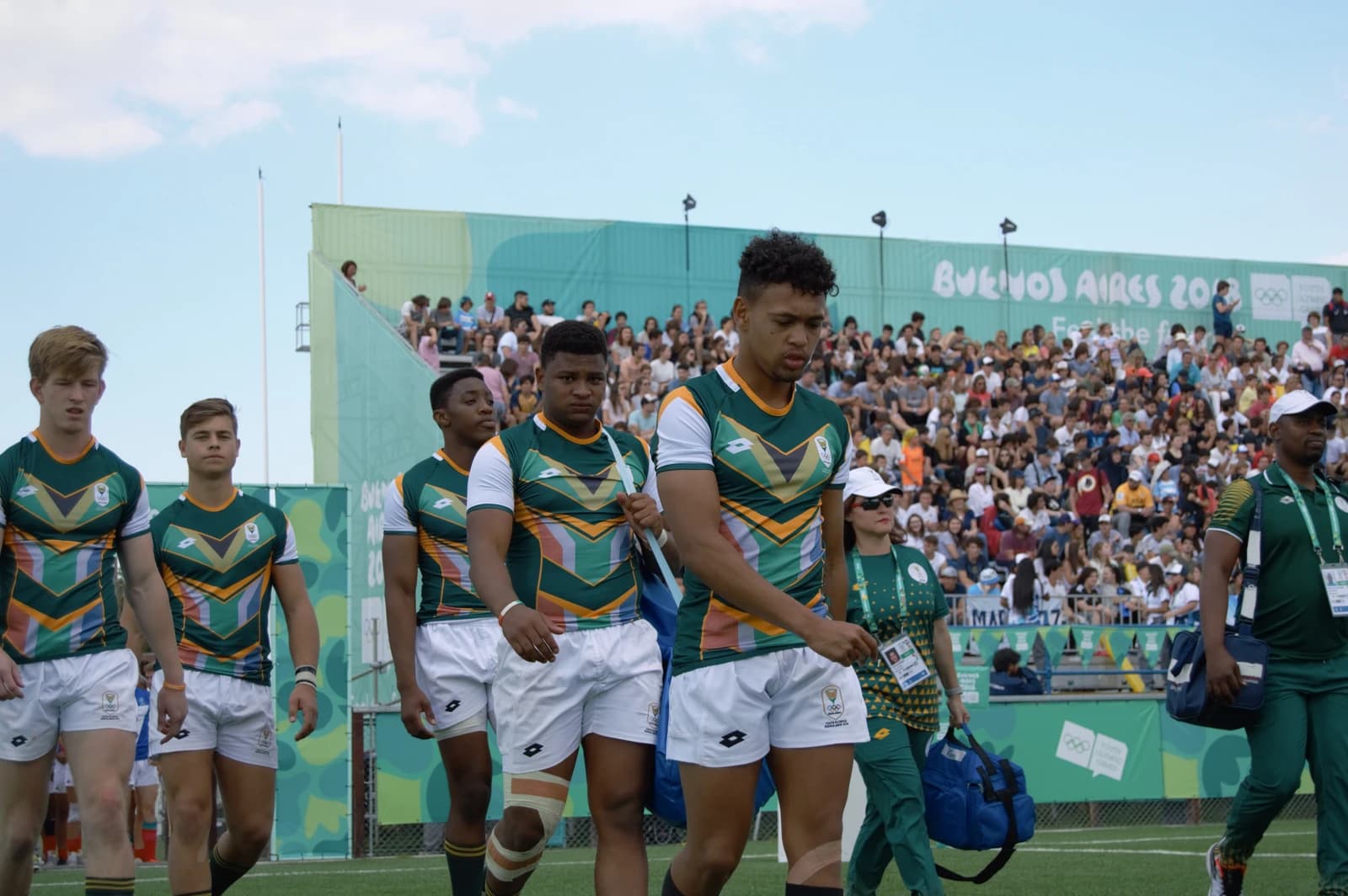
The IOC said seven national Olympic committees have confirmed interest in the event: South Africa, Germany, Hungary, India, Qatar, South Korea and Türkiye. No additional bidders came forward before the IOC’s deadline, making the field final for this stage of the race.
The contest matters because hosting the Olympics remains one of the largest and most politically visible public-investment decisions a country can make, with implications for infrastructure spending, tourism flows, urban redevelopment and long-term brand value. For the IOC, seven confirmed candidates is a sign that its “Fit for the Future” reforms may be making the bidding process less costly and more attractive after years of criticism over bloated budgets, weak public support and contested referendums.
For investors, the list is a first filter on where Olympic-related capital spending could eventually emerge. Countries with existing infrastructure and strong fiscal capacity may be better positioned to absorb the costs, while bidders using the Games as a catalyst for transport, housing and venue upgrades could see knock-on opportunities for construction, engineering, hospitality and consumer sectors. At the same time, the economics of hosting remain heavily debated: the boost to activity is often front-loaded, while the payback can be uncertain if projects run over budget or leave underused facilities behind.
The lineup also reflects a broader geopolitical spread. India and Qatar have signaled continued ambition to deepen their role in global sports diplomacy, while Germany, Hungary, Türkiye and South Korea bring different combinations of infrastructure readiness, state backing and international profile. South Africa’s interest is particularly notable as the first confirmed African contender in this cycle, reviving a question that has long mattered to the IOC: whether the Olympics can expand beyond their traditional European and Asian hosting base without forcing the cost burden onto governments and taxpayers.
Kolinda Grabar-Kitarović, who chairs the IOC’s future host commission, said the level of interest shows countries recognize the “social and economic” value the Games can deliver locally. That case will now be tested over the coming years as the IOC works with the seven bidders on more detailed plans before narrowing the field.
The next phase will determine which bids can pair political support with credible financing, and which can make the strongest case that the Olympics still justify their price tag in an era of tighter public scrutiny.
| Entity | Gains | Losses |
|---|---|---|
| IOC | ▲Wider bidder pool | ▼Less leverage for hosts |
| South Africa and peers | ▲Global visibility | ▼Bid costs and risk |
| Construction and services firms | ▲Future project pipeline | ▼If bids stall |
| Taxpayers/public budgets | ▲Potential infrastructure upgrades | ▼Cost overruns and white elephants |