Russia has formally left the European Convention for the Prevention of Torture, cutting off the Council of Europe’s last independent access to prisons, detention centers and other places of confinement inside the country.
Russia Leaves European Anti-Torture Convention
Geopolitical Risk
The withdrawal took effect on Nov. 1, a year after Moscow notified the Council of Europe that it would exit the treaty. The move ends the Committee for the Prevention of Torture’s mandate in Russia and removes a key external check on conditions in facilities where rights groups and UN experts have long alleged abuse.
Sentiment Indicators
For investors and policymakers, the significance is geopolitical rather than market-based: the decision deepens Russia’s isolation from European legal institutions and further weakens transparency around detention practices as the war in Ukraine grinds on. The Council of Europe said Russia had been the only signatory that refused to authorize publication of CPT visit reports and its responses, limiting public scrutiny even before the exit.
Russia joined the convention in 1998, and the CPT said it carried out 30 visits to the country between then and 2021, inspecting more than 450 places of detention. Only four of those reports were ever approved for publication, while the rest covered periodic and ad hoc inspections, including 10 trips to Chechnya and the North Caucasus between 2000 and 2017.
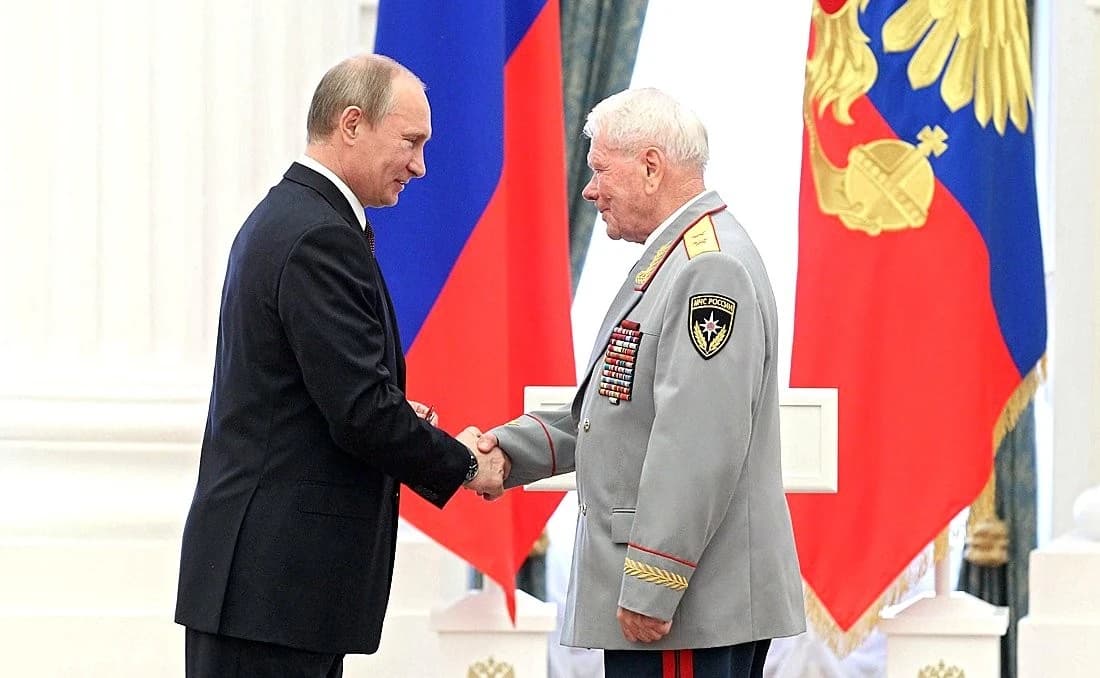
The rupture comes after years of mounting confrontation with European institutions. Russia was expelled from the Council of Europe in March 2022 after its full-scale invasion of Ukraine, but it remained a party to the anti-torture convention until President Vladimir Putin signed a withdrawal law in late September 2025. Russian officials had argued the exit would not harm citizens and accused the Council of Europe of discrimination.
The timing matters because allegations of torture and ill-treatment have intensified since the invasion. The CPT said it received numerous accounts of abuse in Russian detention facilities and in occupied Ukrainian territory, but it has been unable to inspect because of Moscow’s lack of cooperation. The Council of Europe contrasted that with Ukraine, which allows CPT access to any detention facility and automatically publishes reports.
Human rights scrutiny is now shifting even further outside Russia’s borders. Two UN special rapporteurs warned last year that the withdrawal raises red flags over what is happening behind bars, while the OSCE said Russia was responsible for widespread and systematic violations in its treatment of Ukrainian prisoners of war. A separate UN report found consistent patterns of serious violations against Ukrainian civilian detainees.
The immediate consequence is that one of the few formal channels for independent monitoring of Russian detention facilities is gone. Unless Moscow reverses course and authorizes publication of the unpublished reports, scrutiny of prison conditions in Russia will depend almost entirely on external testimony, satellite evidence and findings from UN and other multilateral bodies.
| Entity | Gains | Losses |
|---|---|---|
| Russian authorities | ▲Less external scrutiny | ▼Accountability pressure |
| Detained prisoners | ▲Little immediate gain | ▼Independent oversight |
| Council of Europe / CPT | ▲None | ▼Access to Russian facilities |
| Ukraine and allies | ▲Stronger rights contrast | ▼Little direct benefit |