Putin said in Russia a contract for military service is signed voluntarily, underscoring Moscow’s attempt to frame its war effort as a staffed professional army rather than a forced mobilization, even as the conflict continues to feed demand across the global defense sector.
Russia Voluntary Military Contracts and Defense Stocks
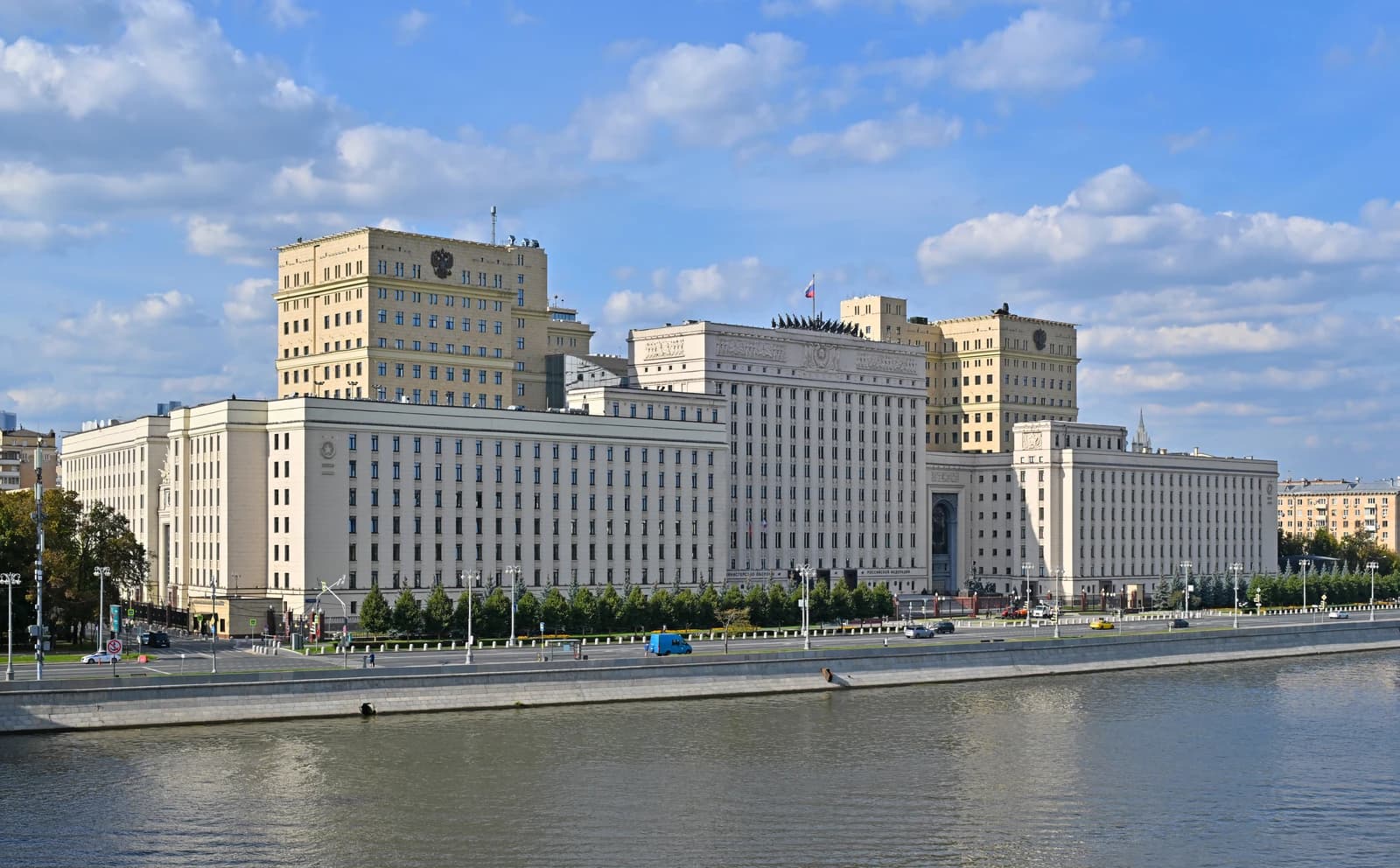
The statement matters because labor supply is a core constraint on Russia’s ability to sustain its war in Ukraine. A force built on voluntary contracts can be easier for the Kremlin to sell politically than a draft, but it also signals the state still has to pay up, offering bonuses and benefits to keep recruits flowing into a grinding conflict that has not eased.
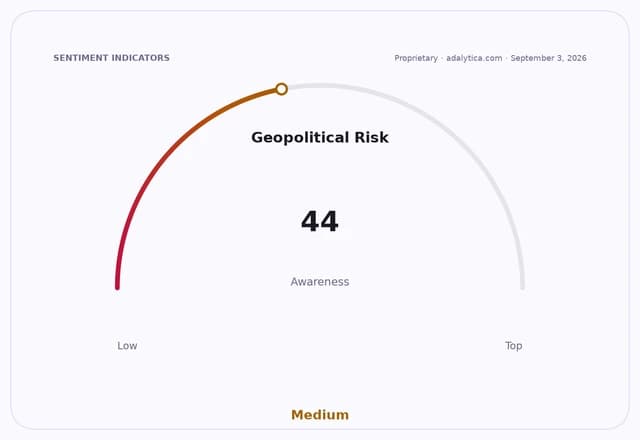
For investors, the significance is less about the political optics than the economic spillovers. Russia’s prolonged mobilization keeps geopolitical risk elevated, helping support defense spending in Europe and the US and reinforcing demand for contractors tied to munitions, missiles, air defense and surveillance systems.
That backdrop has kept attention on major US defense names. Lockheed Martin, Northrop Grumman and RTX all remain closely linked to higher military budgets and replenishment orders, while their shares have been volatile in recent sessions as traders weigh earnings, contract timing and stretched valuations against a still-hostile security environment.
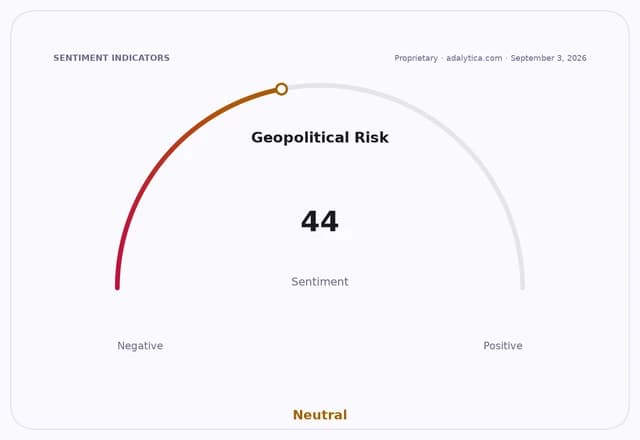
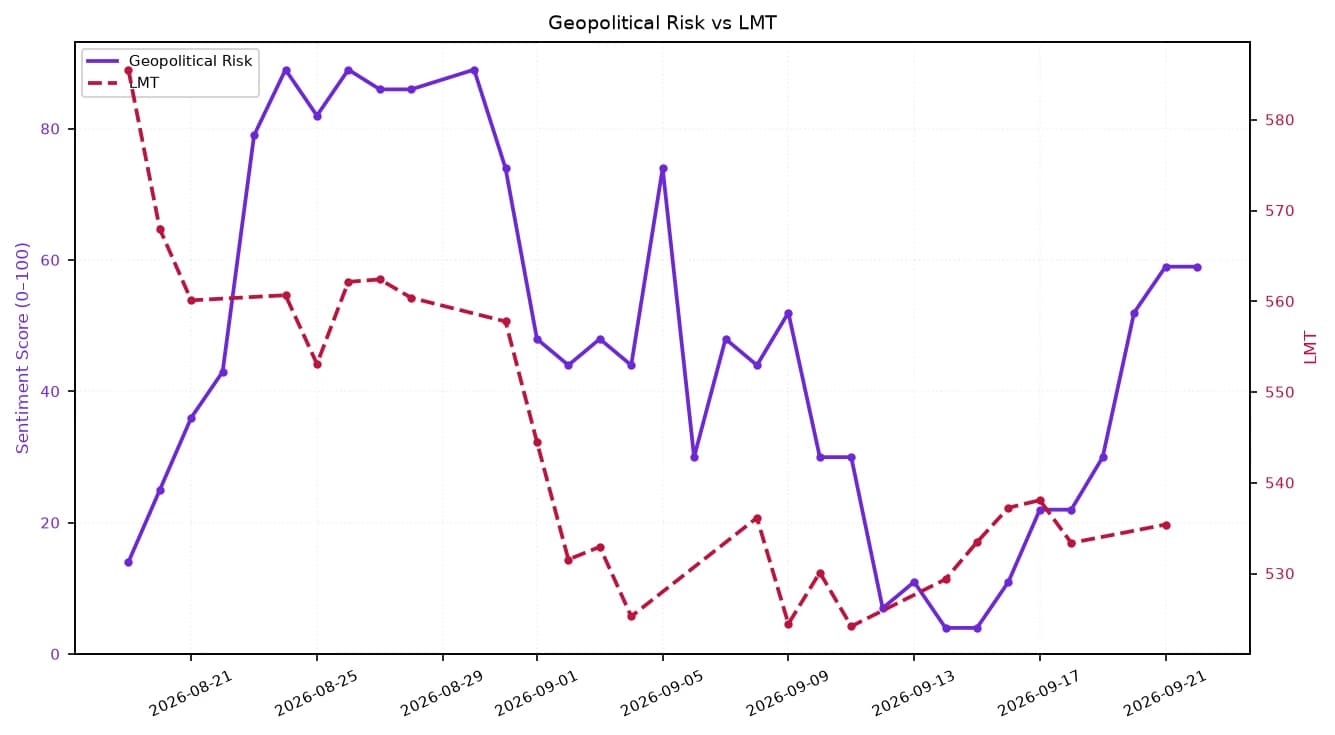
The stock tape shows that tension. Lockheed Martin fell to $532.95 on Sept. 3 from a recent high above $668 in early March, with RSI readings near 20 pointing to heavily oversold conditions. Northrop Grumman closed at $528.24, far below its $597.88 200-day moving average, while RTX ended at $202.13, also below its 50-day average and with momentum gauges deteriorating.
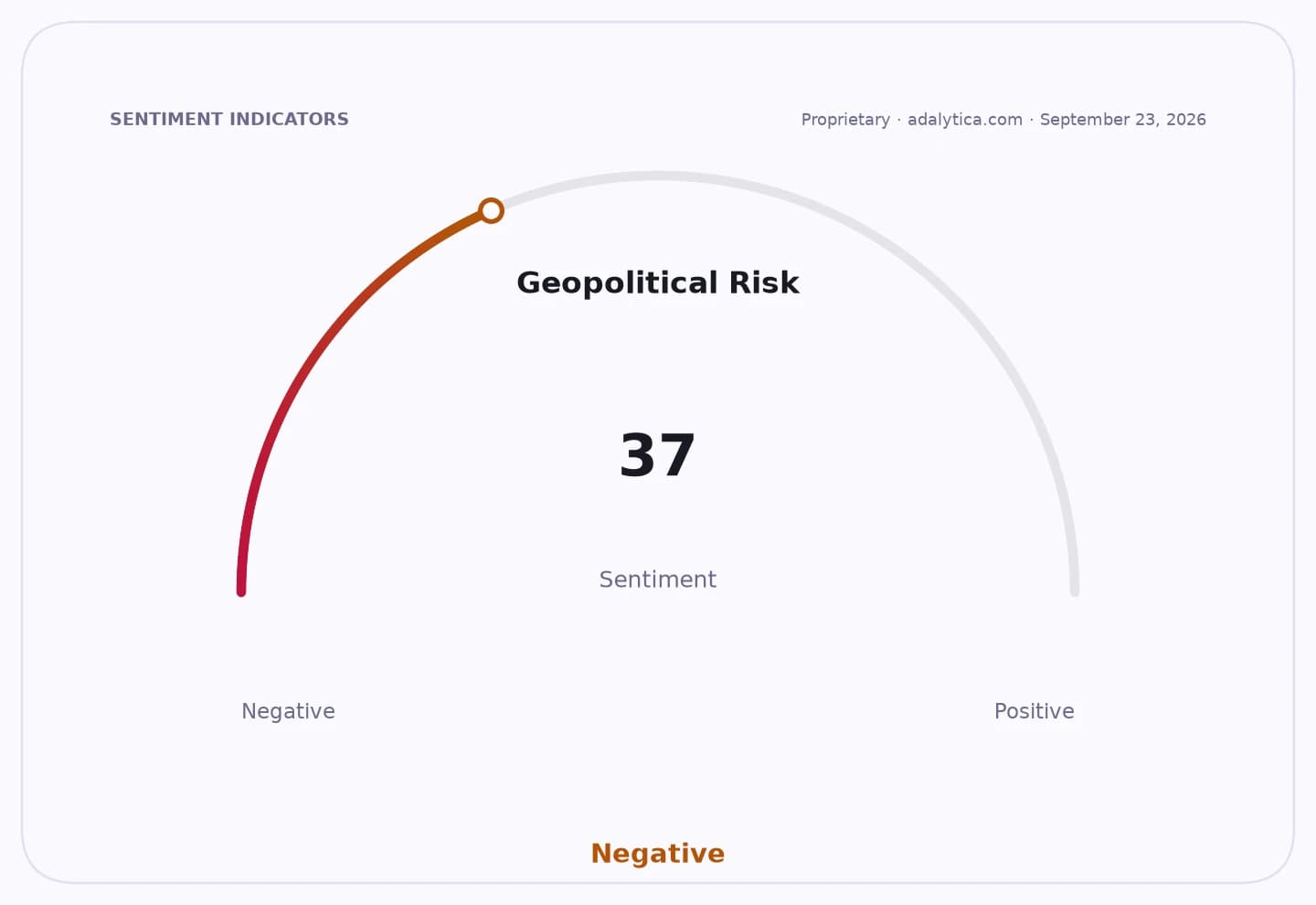
Adalytica’s Global Stability Sentiment gauge slipped to a neutral 44, down 45 points over the past week, reflecting how quickly geopolitical confidence can swing when the war intensifies. That kind of backdrop tends to keep defense spending resilient even when markets rotate elsewhere.
The next catalyst for defense investors is whether the conflict deepens further and whether Western governments respond with fresh procurement, replenishment and aid packages. Any sign of escalation can support the sector, while evidence of fatigue, budget restraint or a shift in battlefield momentum could hit sentiment quickly.
| Entity | Gains | Losses |
|---|---|---|
| Russian military | ▲Recruits without formal draft | ▼Political cost of mobilization |
| Western defense contractors | ▲Higher long-term demand | ▼Sharper scrutiny on valuations |
| Ukraine and allies | ▲Continued military support focus | ▼Prolonged war pressure |
| Investors in defense stocks | ▲Order backlog visibility | ▼Volatility from war headlines |