Russia said the presence of foreign military personnel in Poland is “categorically unacceptable” as NATO-aligned countries begin the first exercises of the Coalition of the Willing and Moscow, Washington and Kyiv prepare to resume peace consultations in Abu Dhabi.
Russia Objects to NATO Drills in Poland
The warning matters because it raises the political cost of any post-ceasefire security arrangement for Ukraine and underscores how quickly a European reassurance force could become another flashpoint between Russia and the West. For investors, the message keeps geopolitical risk elevated across European defense, energy and broader risk assets even as diplomats reopen talks.
Sentiment Indicators
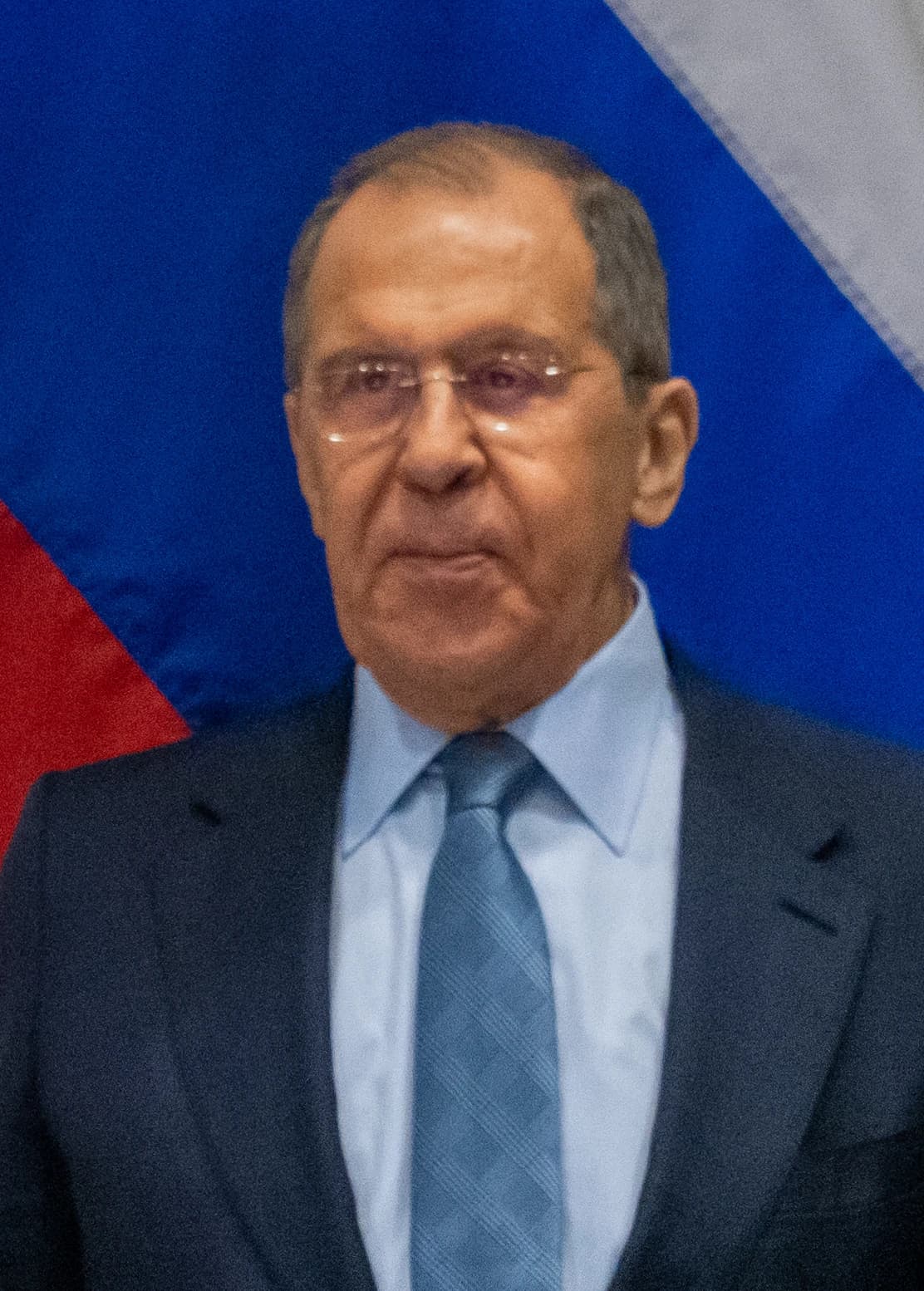
Russian foreign ministry spokeswoman Maria Zakharova said the deployment of foreign contingents would amount to “military intervention” and could make them “legitimate targets,” language that sharpens the stakes around any future multinational mission. Moscow also framed the exercises in Poland as symbolic of Western “escalation,” saying European states have no place at the negotiating table.
The drills, known as Koalicja 26.2, run from Nov. 9 to 22 and involve about 2,800 troops from Germany, Belgium, Spain, Estonia, France, Lithuania, the Netherlands, Poland, Britain and Sweden, with Turkey participating at sea in a simulation only. They are the first exercises by the 37-country Coalition of the Willing, formed to support Ukraine if a ceasefire is reached.
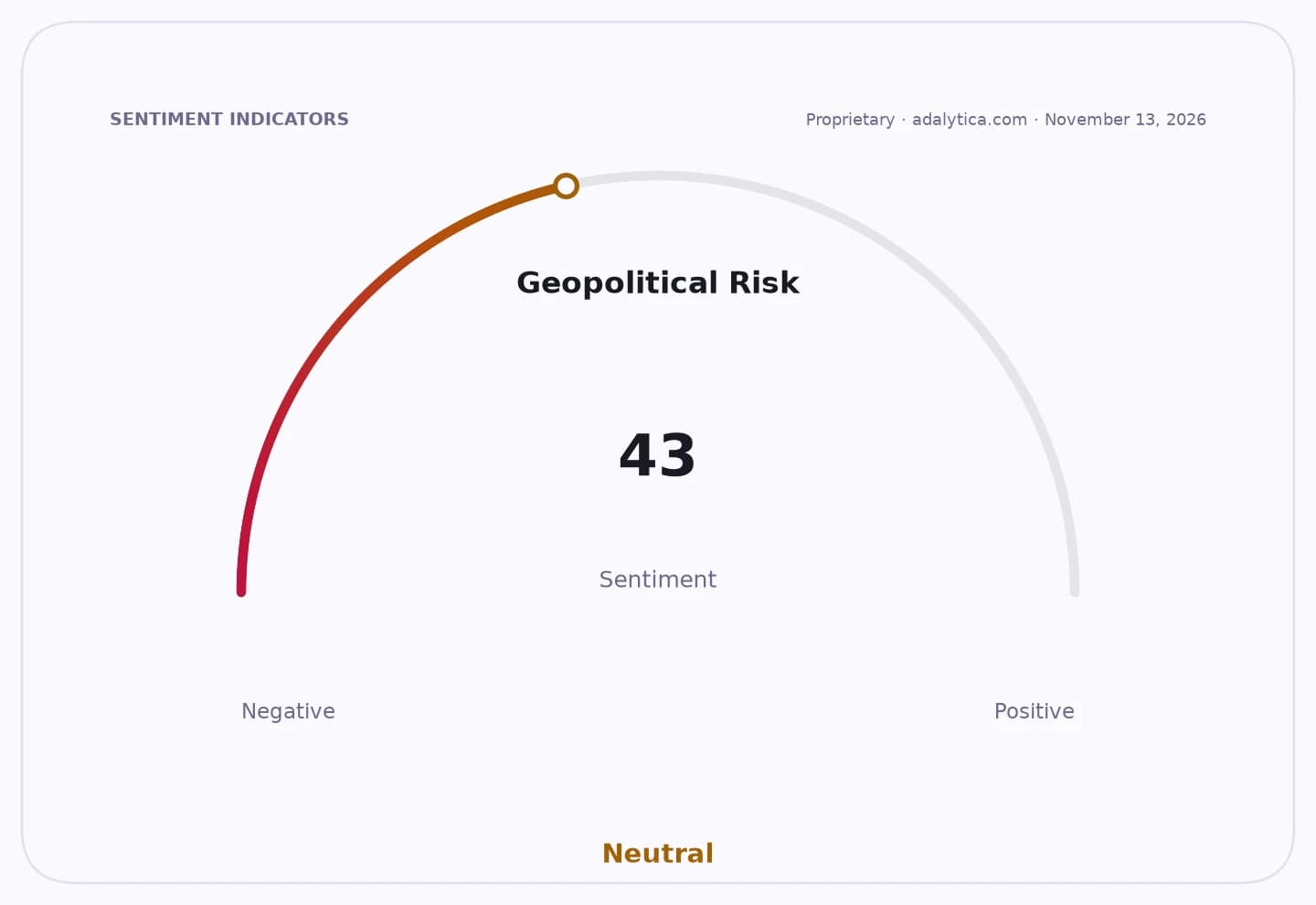
Geopolitical Risk — 30-day sentimentadalytica.com
Explore this data interactively — full history, time series and cross-market comparisons.
The timing is sensitive because the talks in Abu Dhabi are scheduled to restart on Tuesday in a US-mediated Russia-Ukraine format. Any sign that Europe is preparing to enforce a ceasefire on the ground, while Moscow rejects that idea outright, points to a longer and more fragile path to any settlement.
For markets, the broader takeaway is that the war is not moving toward de-escalation cleanly enough to remove defense spending and sanctions risk from the equation. That keeps support in place for European defense contractors and preserves a bid for safe-haven assets whenever negotiations stall or military rhetoric intensifies.
Adalytica’s Global Stability Sentiment is at 43, in neutral territory, but awareness is in “extreme fear,” reflecting how quickly the market narrative can turn when the Ukraine conflict touches Poland, a frontline NATO state. The next catalyst is Tuesday’s Abu Dhabi talks, where any sign of progress or breakdown will likely reset expectations for both regional security and defense-sector demand.
| Entity | Gains | Losses |
|---|---|---|
| European defense firms | ▲Higher security demand | ▼Risk of ceasefire fatigue |
| NATO and Poland | ▲Deterrence visibility | ▼Greater exposure to retaliation |
| Russia | ▲Leverage in talks | ▼Diplomatic isolation |
| Ukraine peace process | ▲Renewed mediation | ▼Harder ceasefire terms |