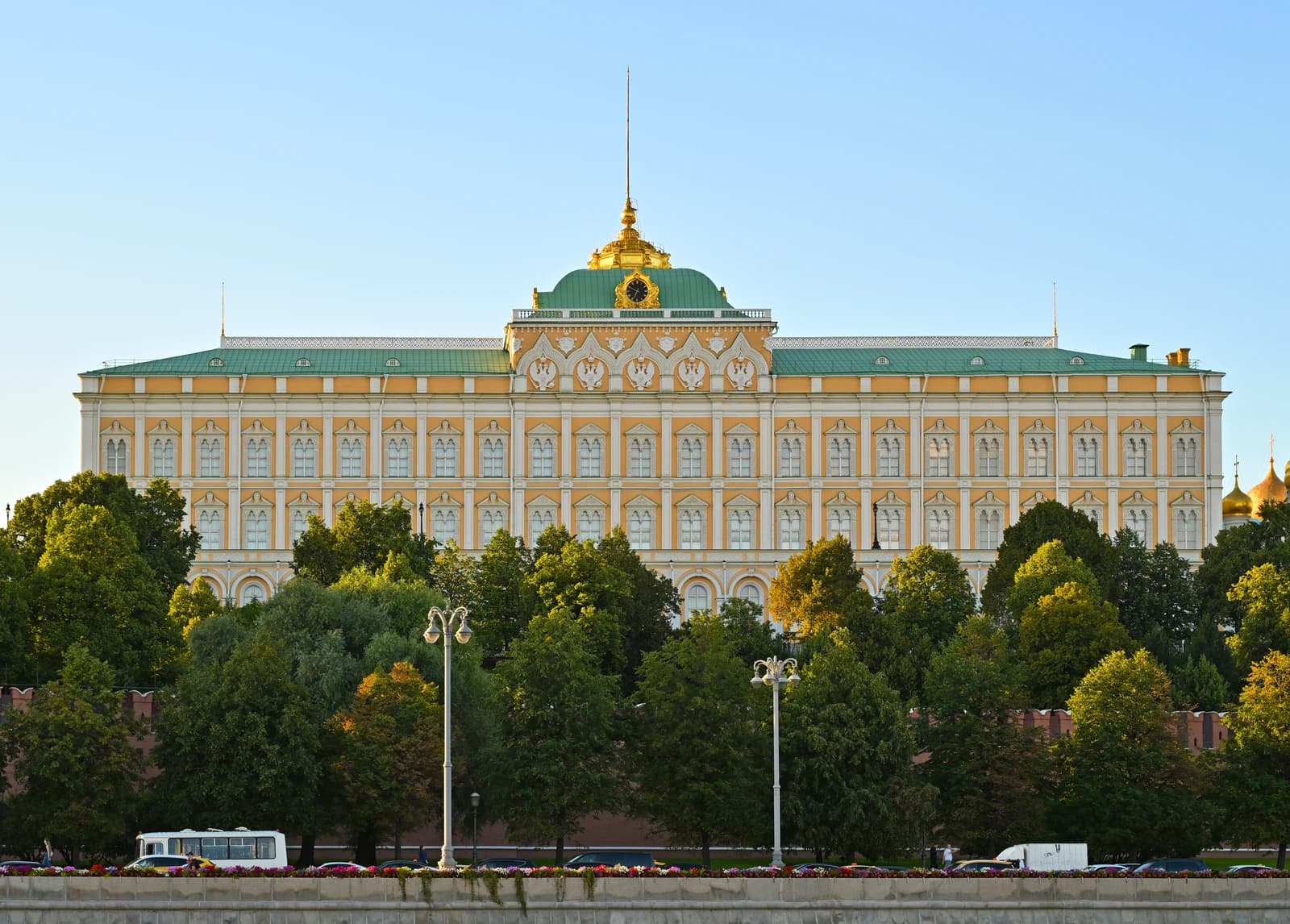
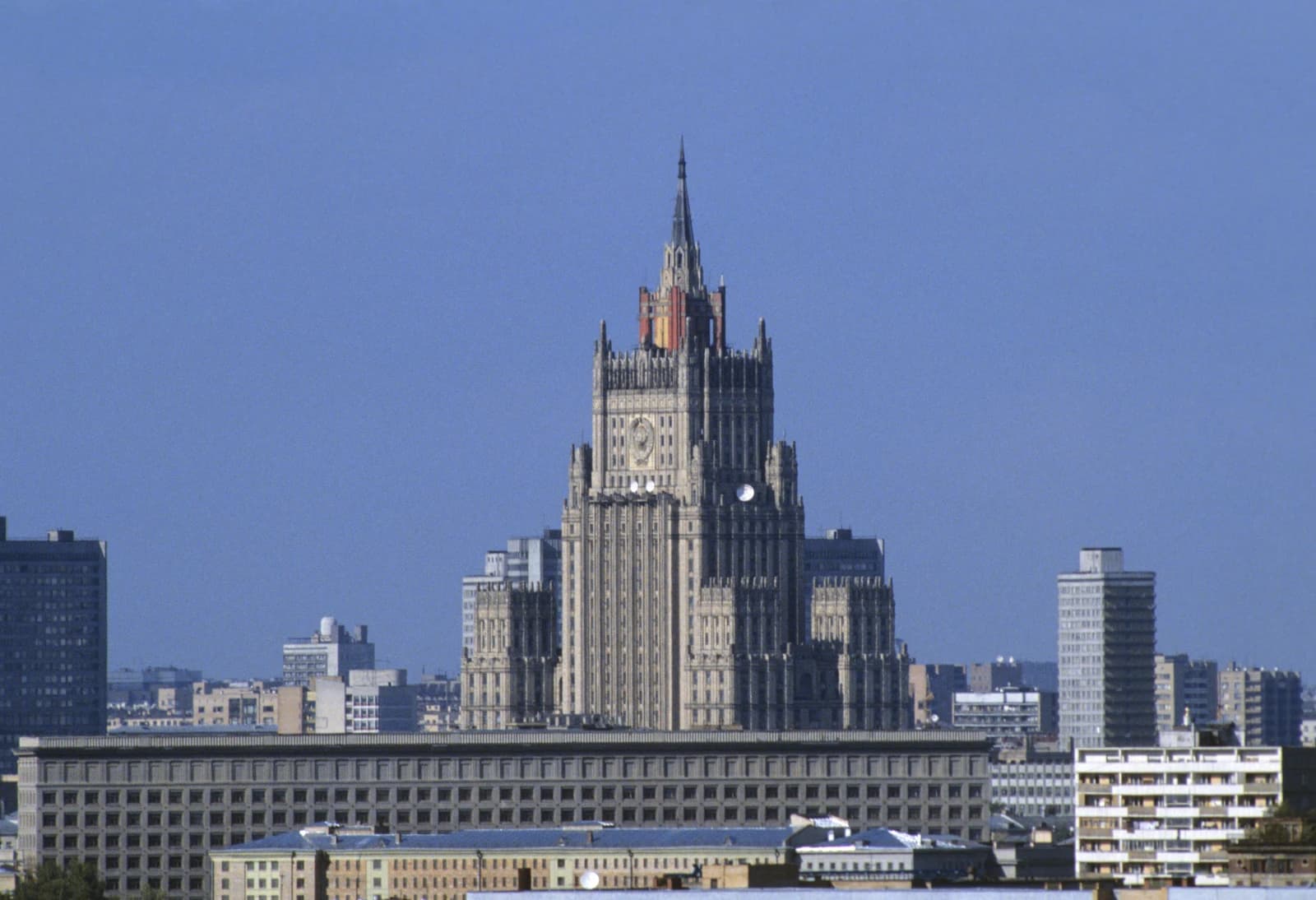
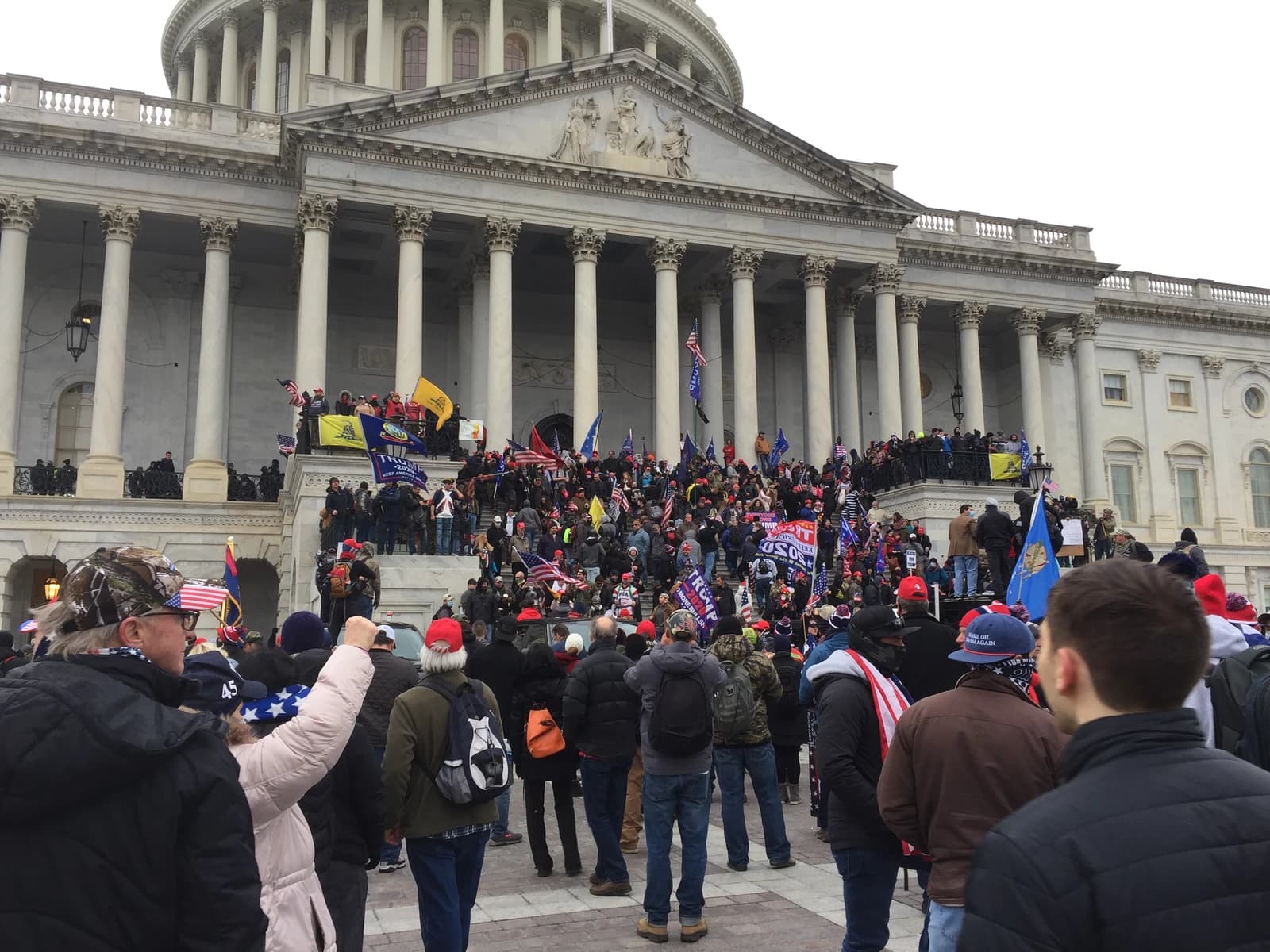
Russia’s top security official Dmitry Medvedev has said Ukraine and NATO countries have already created scenarios in which Moscow considers a nuclear strike, a stark reminder that the war’s biggest economic risk is still escalation, not just attrition.
Russia Nuclear Rhetoric Lifts Energy and Gold Risk
That matters because nuclear rhetoric does not move only military planners; it moves oil, gold, defense budgets and risk appetite across global markets. When a Kremlin heavyweight says the threshold has been reached, even if he also stresses restraint, investors have to price in a wider range of outcomes for energy supplies, European growth and the safety premium embedded in assets from crude to bullion.
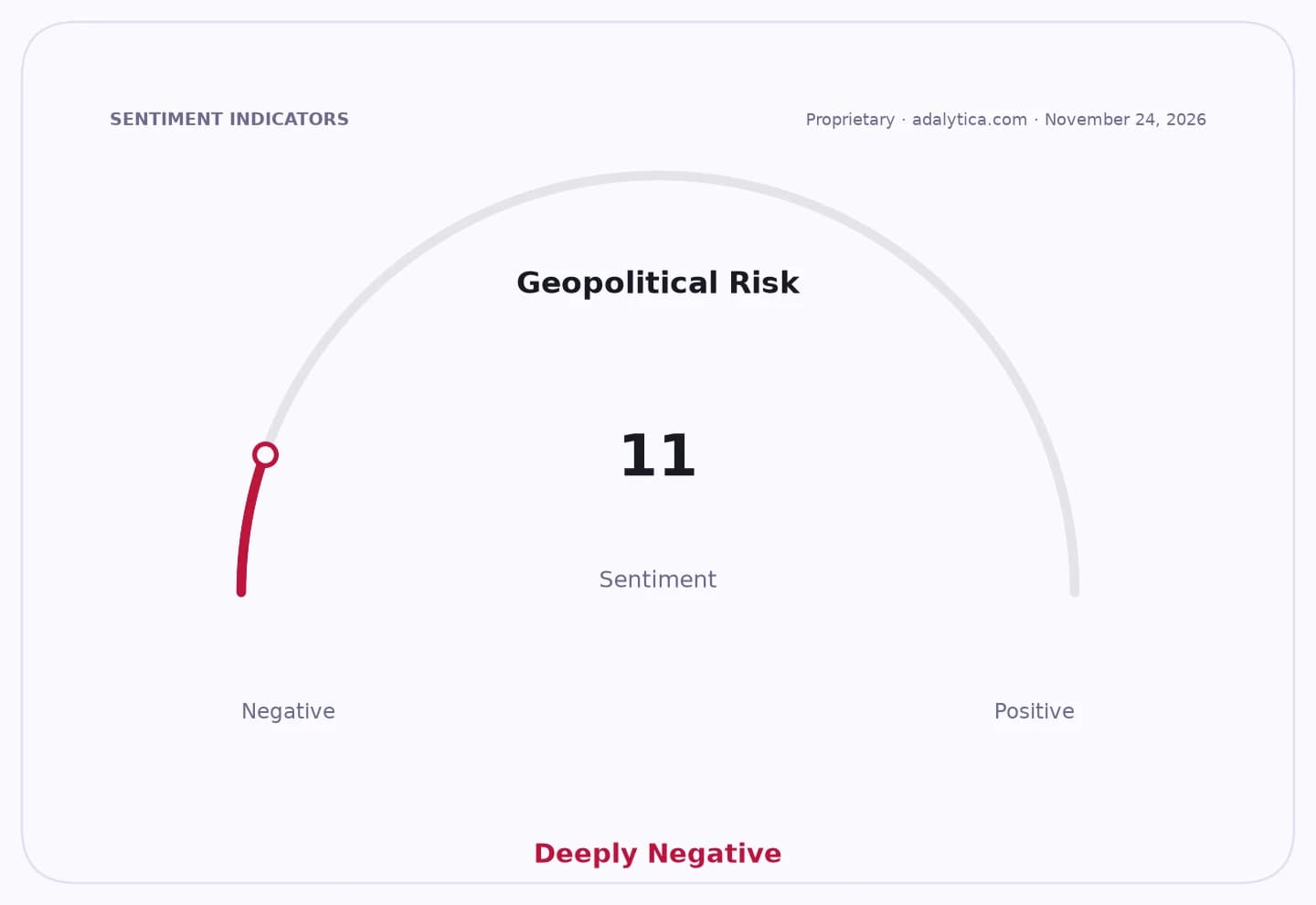
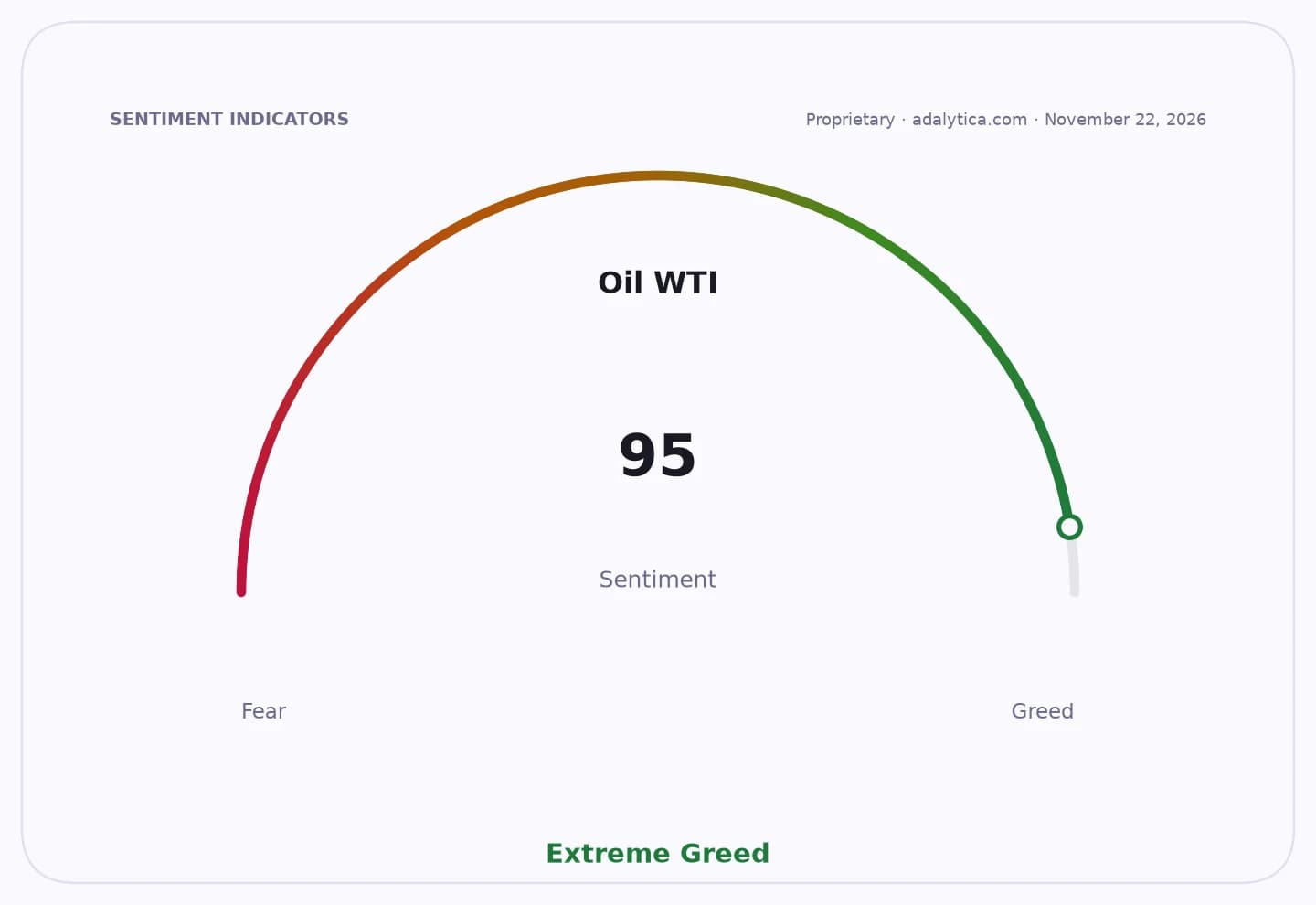
Sentiment Indicators
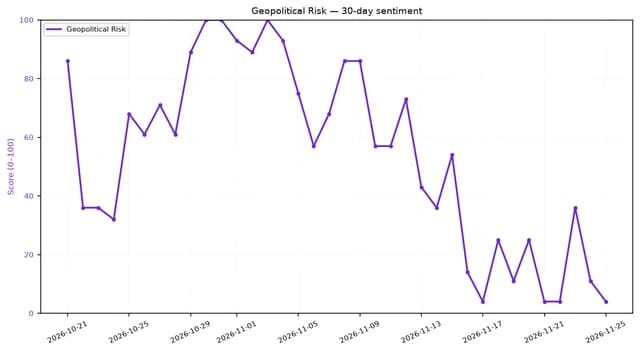
Geopolitical Risk
Medvedev’s message was deliberate: Russia is not saying it will act, but that it is constantly running a proportionality test before any response. That leaves room for deterrence while keeping pressure on Kyiv and the West. The broader narrative is that the war has entered a phase where escalation risk is a market variable in its own right, alongside battlefield progress and sanctions.
Markets are already telling that story. Brent-linked trading has stayed volatile, with USO still showing elevated price levels versus its long-run averages and technical indicators that reflect a sharp but recent pullback from earlier spikes. Gold, meanwhile, has retreated from recent highs even as its conventional technical signals point to oversold conditions, a sign that investors have been locking in gains rather than abandoning the hedge entirely. Adalytica’s Global Stability Sentiment gauge has collapsed into “Extreme Fear,” underscoring how quickly geopolitical anxiety is worsening.
For long-term investors, the important lesson is not to chase every headline, but to respect the sectors that benefit when the world gets less predictable. Energy producers, defense contractors and diversified commodity hedges can all draw support from prolonged instability. At the same time, higher volatility tends to punish leverage, narrow portfolios and any company dependent on smooth supply chains, cheap financing and stable trade routes.
The economic cost of this kind of brinkmanship is easy to underestimate. Even without actual escalation, the possibility of it keeps insurance, shipping and hedging costs elevated, complicates central bank policy and reinforces the premium on domestic cash flow over fragile growth stories. If the conflict drags on, investors are likely to keep paying up for resilience. That makes the current environment less about timing a trade and more about owning businesses and assets that can survive shocks, whether you hold them for months or for years.
| Entity | Gains | Losses |
|---|---|---|
| Energy producers | ▲Higher price backdrop | ▼Volatile input costs |
| Gold holders | ▲Safe-haven demand | ▼Short-term profit taking |
| NATO/Ukraine critics | ▲Deterrence leverage | ▼Elevated escalation risk |
| Broad equity investors | ▲Defensive rotation winners | ▼Risk appetite, valuation support |