Amnesty International says Russia has recruited Cubans and other Latin American nationals through fraudulent job offers, coercion and exploitation, then sent many of them to fight in Ukraine — a practice that could amount to human trafficking and is deepening scrutiny of Moscow’s wartime manpower strategy.
Russia recruits Cubans for Ukraine war, Amnesty says
The rights group’s new report, published Thursday, argues that thousands of foreign nationals from low-income countries have been drawn into Russia’s war effort by promises of civilian work, high pay, legal status or citizenship. Once in Russia, many were stripped of passports, kept under movement restrictions or threatened when they tried to leave, Amnesty said.
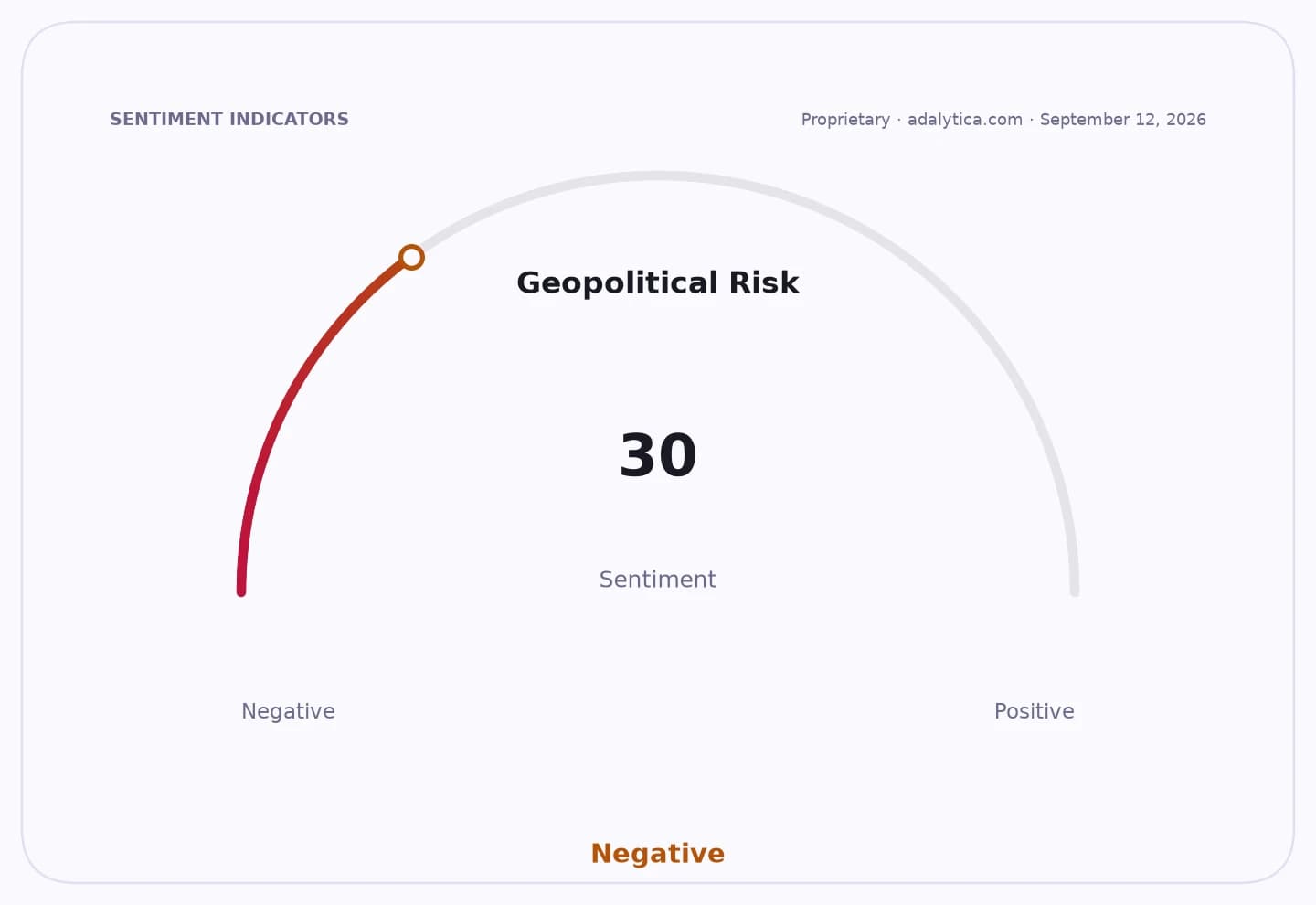
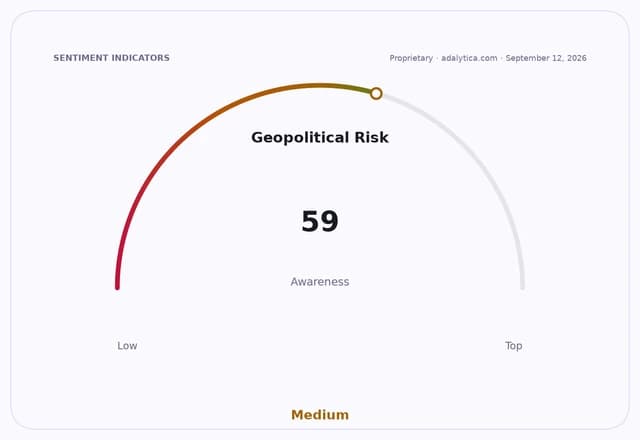
Sentiment IndicatorsⓘProprietary · adalytica.com · September 12, 2026
This is a snapshot — live sentiment, awareness and momentum for 130+ markets update continuously in the dashboard.Open AlphaPulse
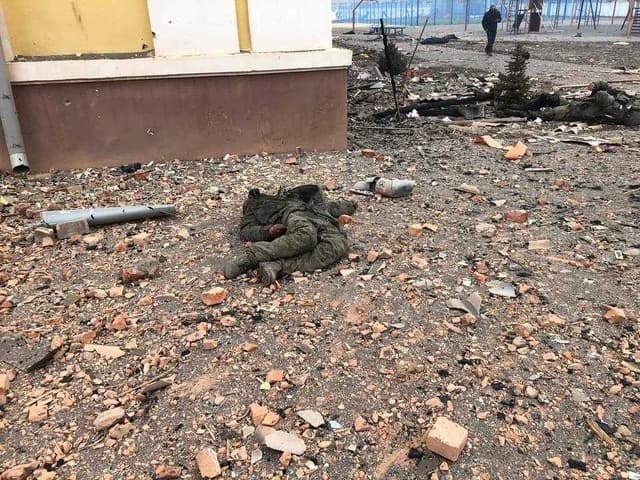
For investors, the report underscores a widening human-cost and legal-risk dimension to the war, even as Russia keeps finding ways to sustain troop numbers. That matters for the geopolitical backdrop to energy, defense and emerging-market assets, where any sign of prolonged conflict can keep risk premia elevated.
Among the cases documented were Cuban men who say they were offered a route to Russian citizenship in exchange for military contracts. One 18-year-old Cuban identified as Enrique told Amnesty he got 20 days of training in occupied Lugansk before being sent to the front and captured on Sept. 1, 2026.
Another Cuban, Rubén, was reportedly offered a military contract while serving a prison sentence in Russia, with citizenship promised after completion of service. Amnesty also documented similar recruitment of Brazilians, Colombians and Peruvians, including one Peruvian government estimate that at least 459 nationals were captured by Russia, with 11 dead, 114 missing and three held by Ukraine.
The group said some recruitment networks operate through intermediaries in Colombia that can receive more than $2,000 per person recruited. It urged governments to issue public warnings on fraudulent Russia-linked job offers, investigate brokers and avoid automatically criminalizing victims of trafficking.
The allegations land amid Cuba’s continued political alignment with Moscow at the United Nations and broader Western accusations that Havana has tolerated or facilitated the recruitment pipeline. A U.S. State Department report previously alleged Cubans were recruited through fraudulent labor contracts and then coerced into combat.
The findings add to the picture of a war increasingly reliant on foreign manpower and opaque contracting, with Amnesty saying it interviewed foreign prisoners of war in western Ukraine between 2024 and 2026. The issue may keep pressure on governments in Latin America to police recruitment channels more aggressively, while leaving investors focused on how long Russia can sustain the war without broader escalation.
| Entity | Gains | Losses |
|---|---|---|
| Russia | ▲More frontline manpower | ▼Human-rights scrutiny |
| Cuban recruits | ▲Promised jobs/citizenship | ▼Coercion, battlefield risk |
| Latin American governments | ▲Pressure to act | ▼Reputational fallout |
| Ukraine | ▲Evidence for diplomatic case | ▼Faces continued foreign fighters |