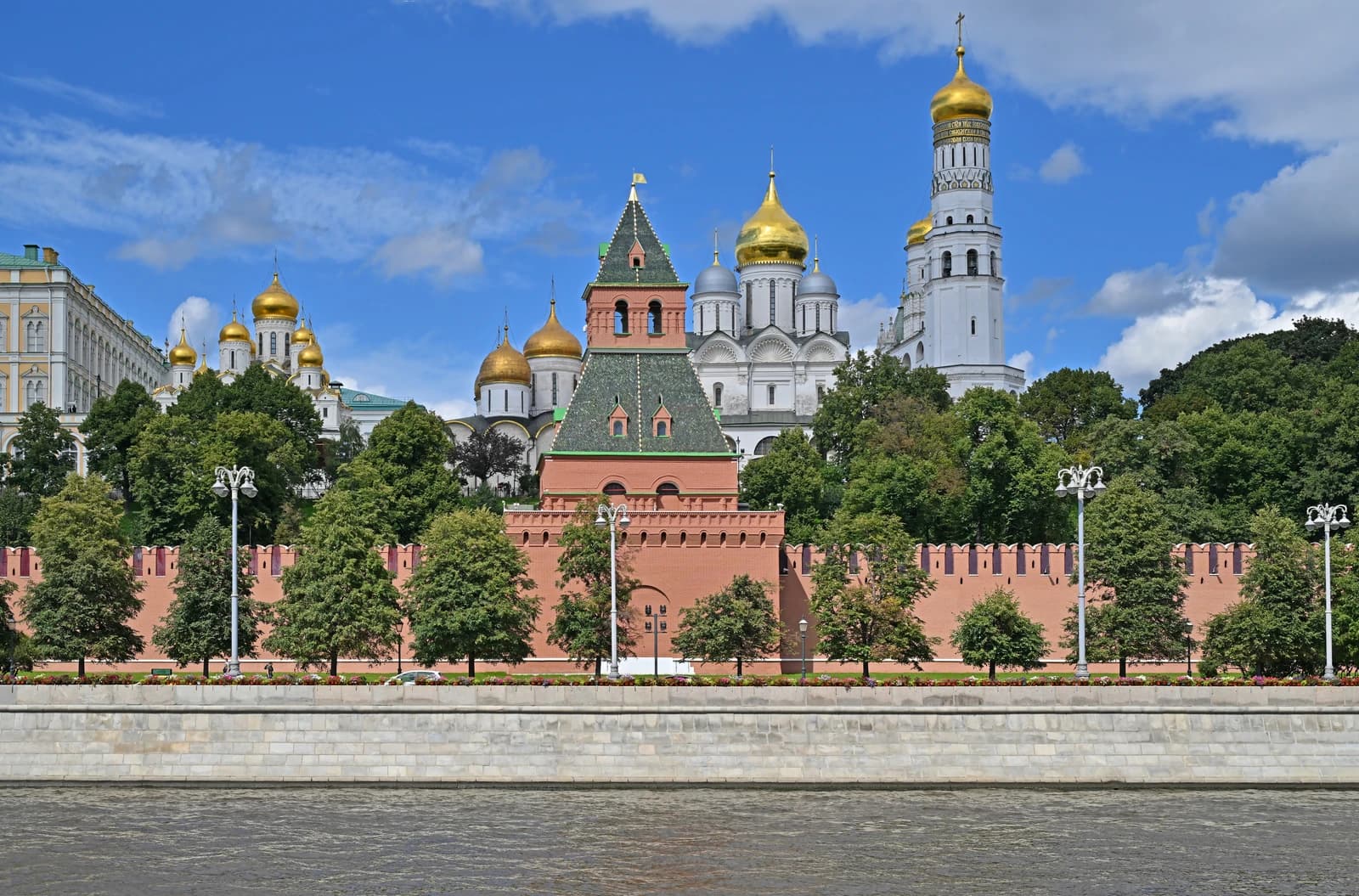
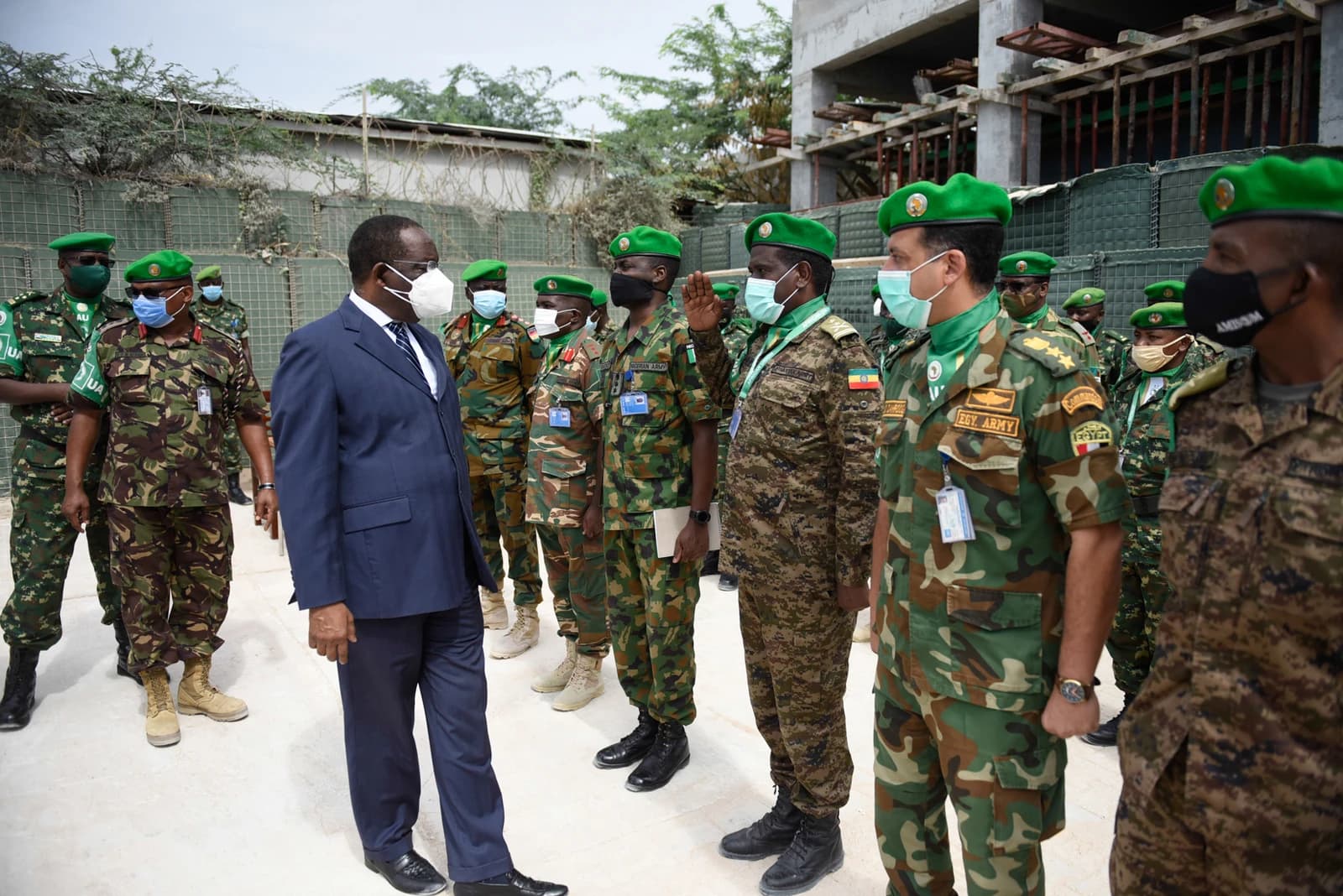
Russia’s push to strengthen economic links with South Sudan and the Central African Republic underscores how Moscow is using trade, energy and security ties in Africa to widen its diplomatic reach as sanctions constrain its options elsewhere.
Russia Deepens Ties With South Sudan, CAR
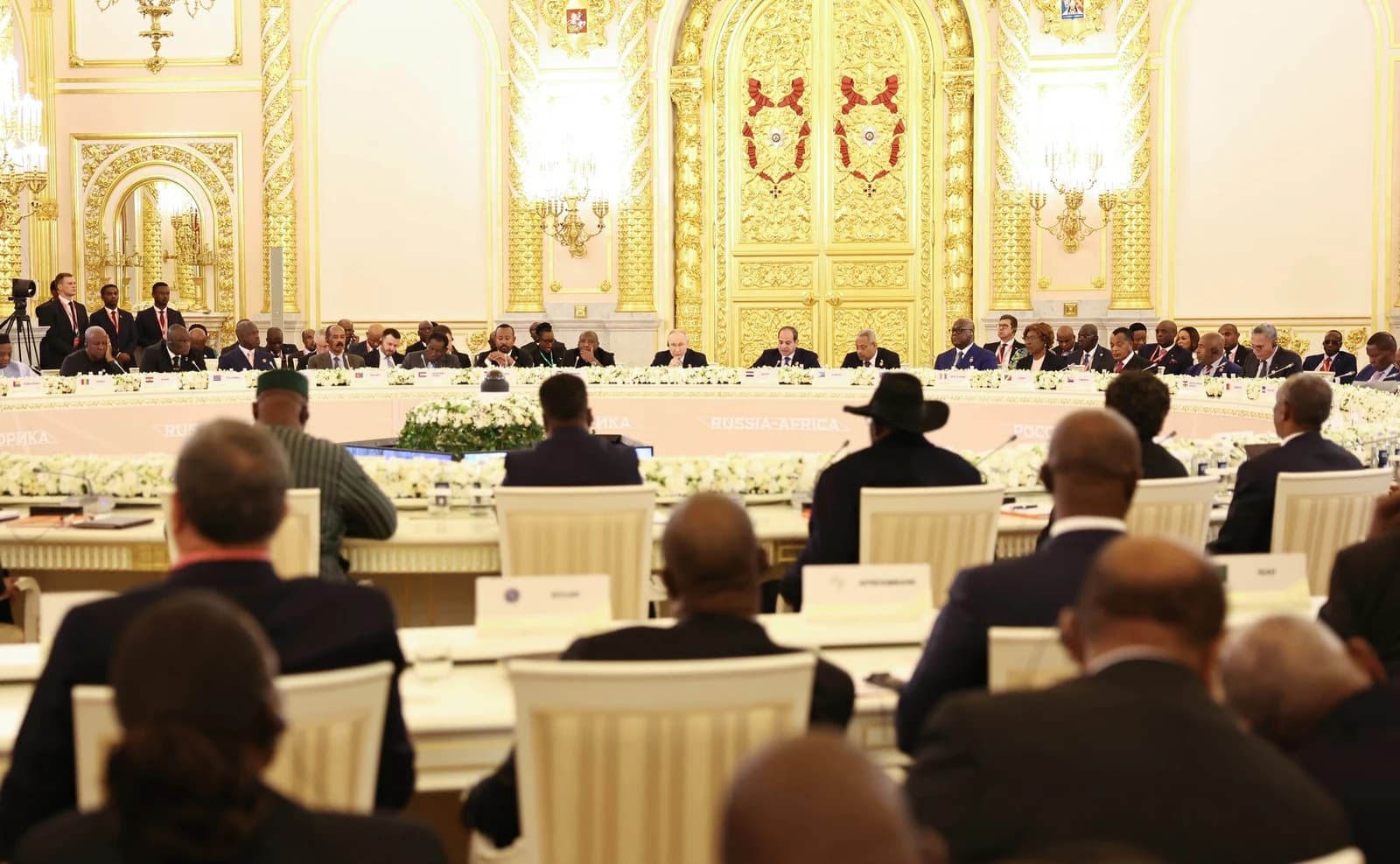
The immediate significance is not the size of the two economies, both of which remain small and fragile, but the strategic value of the relationships. South Sudan and the CAR sit in regions where access to resources, infrastructure and political patronage can translate into outsized influence. For Russia, that makes them useful partners in a broader campaign to build leverage across the continent, diversify away from Western markets and secure footholds in countries where rival powers have struggled to deliver stable development.
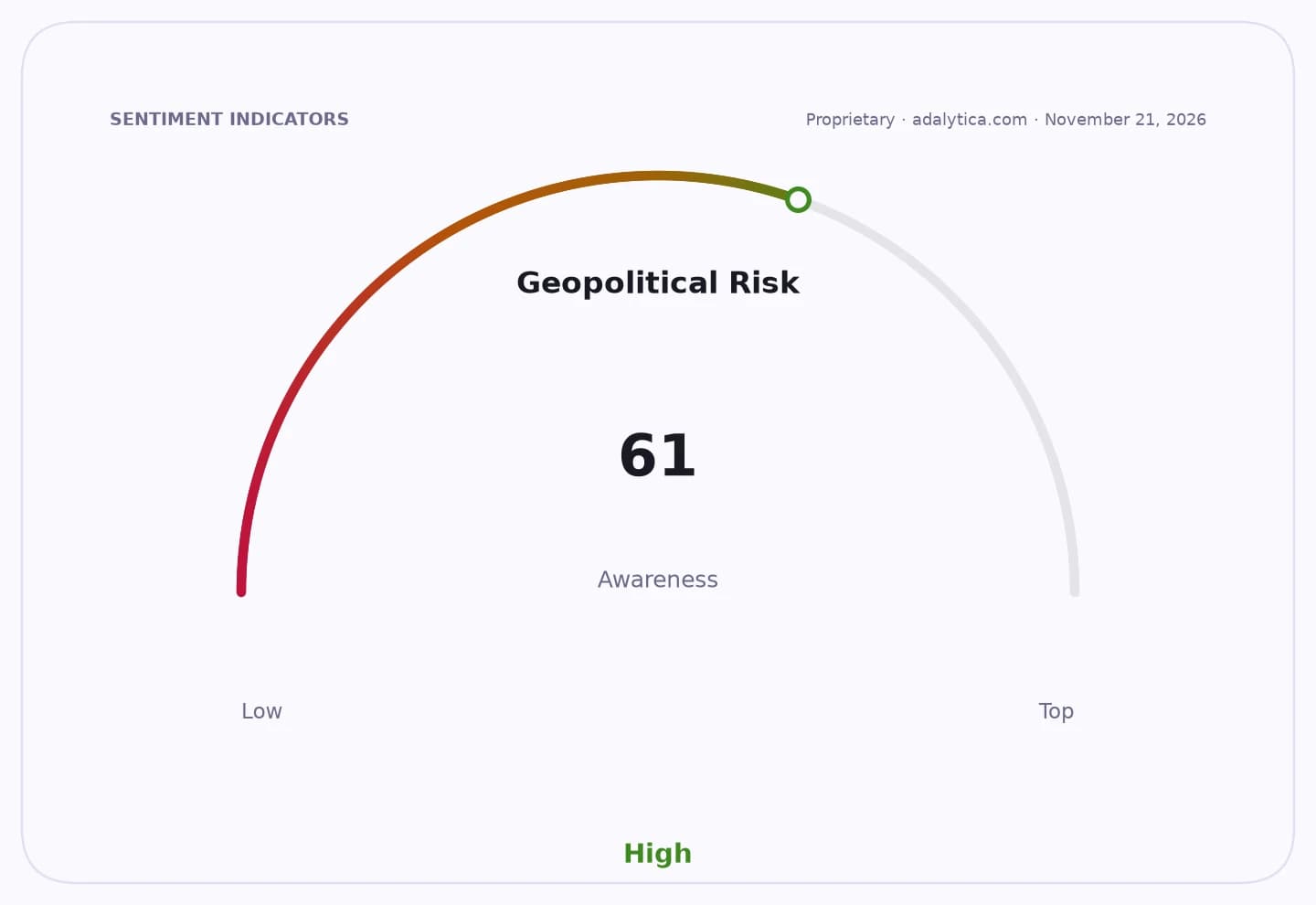
Sentiment Indicators
That matters economically because Russia’s Africa strategy is increasingly about converting political influence into commercial opportunities. In markets with weak institutions and limited financing, agreements tied to energy, mining, logistics and security can give Russian firms and state-linked entities a route into sectors that are otherwise difficult to access. For host countries, the appeal is clear: Moscow can offer investment, weapons, grain and diplomatic support without the governance conditions often attached to Western or multilateral funding. The risk, however, is that such ties can deepen dependence on opaque arrangements that do little to broaden productive capacity.
For investors, the broader implication is that Russia’s Africa diplomacy is not just symbolic. It can affect commodity flows, security conditions and the competitive landscape for global resource companies operating in frontier markets. Any expansion of Russian influence in the CAR or South Sudan could reinforce the role of security contractors and state-backed commercial networks in sectors such as gold, oil and transport, while raising sovereign risk for other external lenders and contractors. It also keeps geopolitical premiums elevated in parts of Africa already exposed to conflict, sanctions and governance uncertainty.
Geopolitical Risk
The market backdrop argues for caution. Gold has rallied sharply in recent months before settling into a choppier range, reflecting a mix of geopolitical anxiety and shifting rate expectations. Oil has also remained volatile. A worsening security outlook in Africa or a fresh wave of sanctions linked to Russia’s continental activity could feed into both risk sentiment and select commodity prices, even if the direct economic footprint of South Sudan and the CAR remains modest.
The narrative is straightforward: Russia is deepening ties with politically vulnerable African states to convert diplomatic access into long-term strategic and economic influence. Whether that produces durable commercial returns will depend on local stability, financing and Moscow’s ability to deliver tangible economic benefits rather than just security guarantees.
| Entity | Gains | Losses |
|---|---|---|
| Russia | ▲Diplomatic leverage | ▼Western access |
| South Sudan | ▲Russian support | ▼Policy autonomy |
| Central African Republic | ▲Investment prospects | ▼Transparency |
| Western rivals | ▲Little | ▼Influence share |