Russia is seeking to widen its economic reach beyond the West while insisting it remains open to global trade, a message that underscores how sanctions and geopolitical realignment are reshaping the country’s commercial map.
Russia Trade Pivot Toward Asia and Friendly Markets
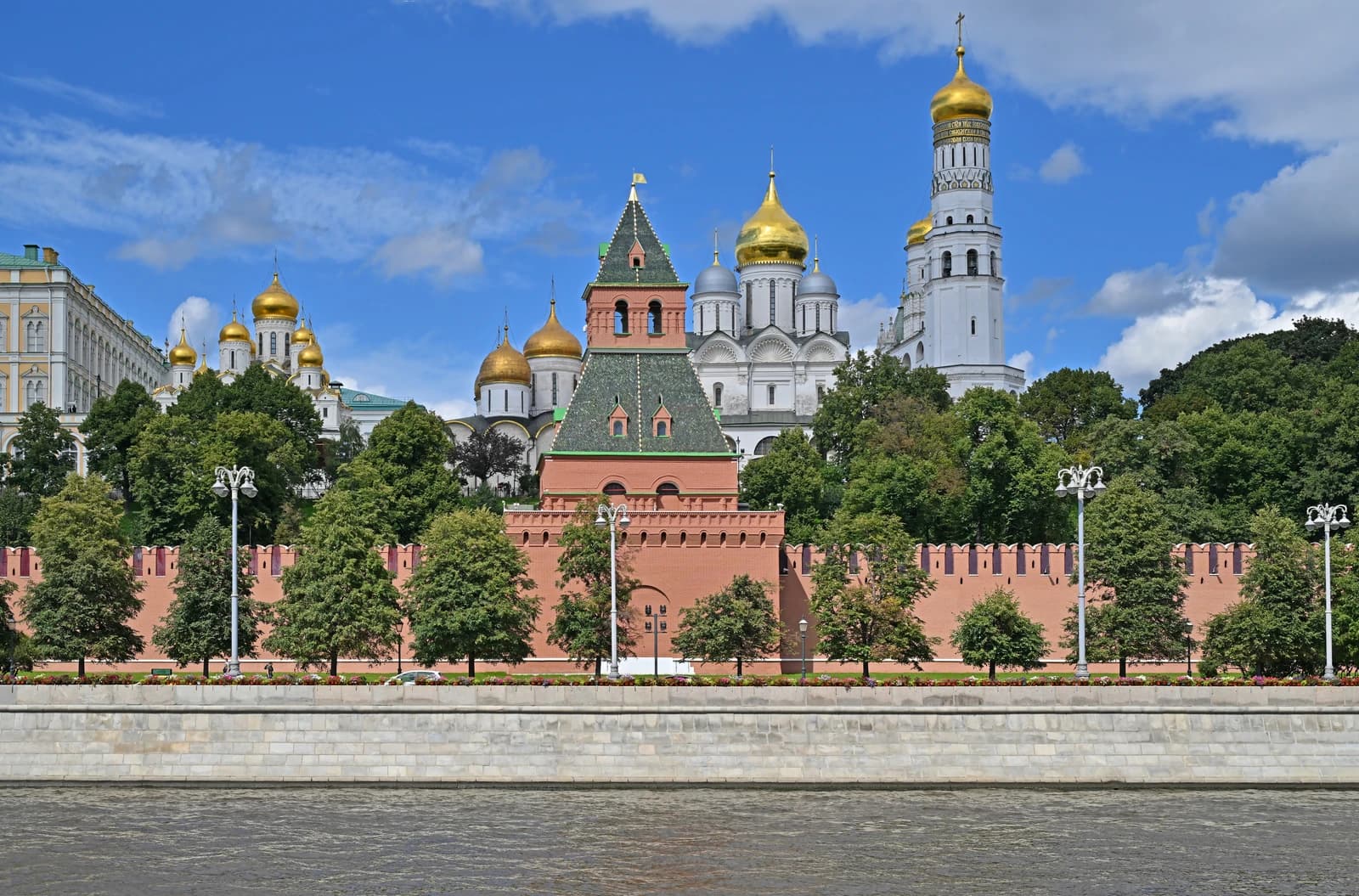
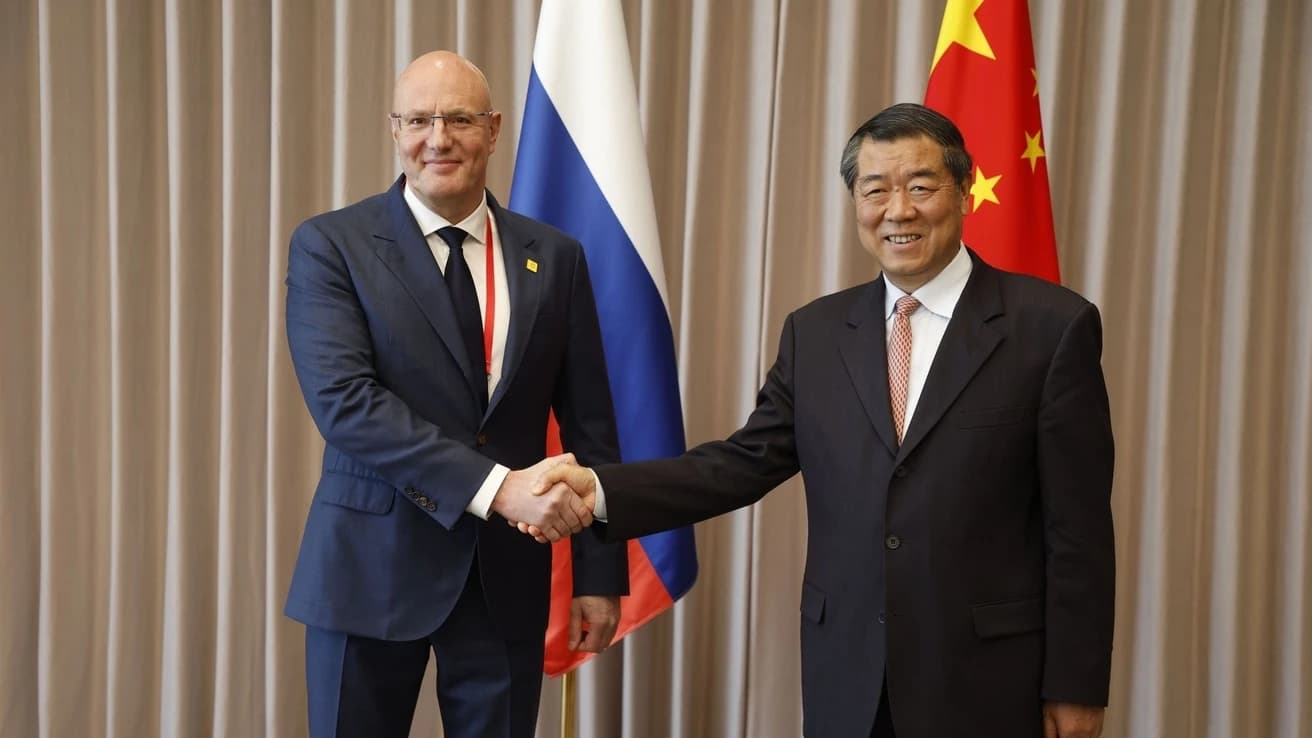
President Vladimir Putin told leaders at the APEC forum in Shenzhen that Russia is “strengthening its economic potential” and remains “open to the world,” adding that trading partners can count on the reliability and quality of Russian supplies. The remarks are as much about economics as diplomacy: Moscow is trying to reassure buyers that its export base is intact even as Western restrictions continue to push Russia toward Asia and other friendly markets.
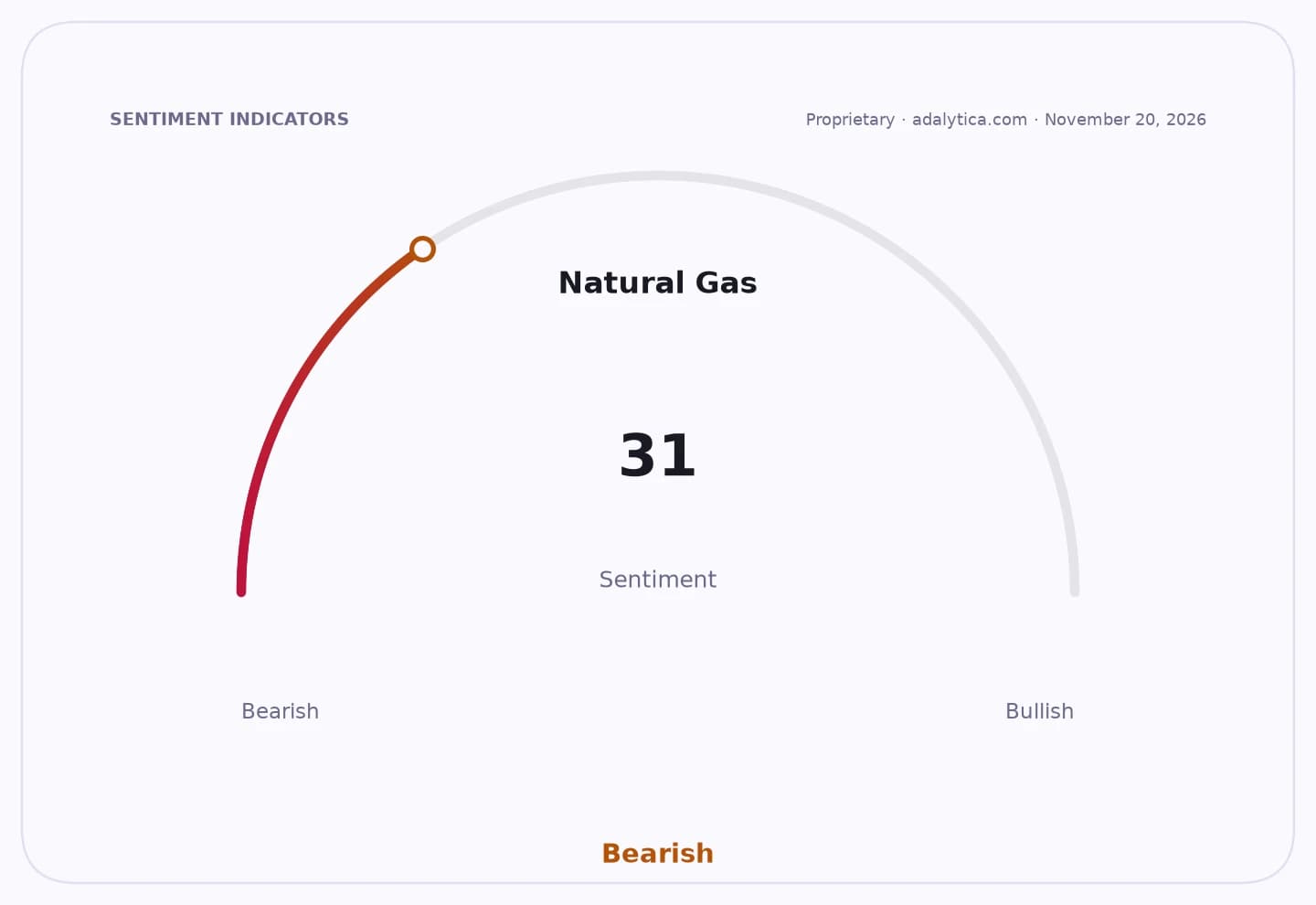
Sentiment Indicators
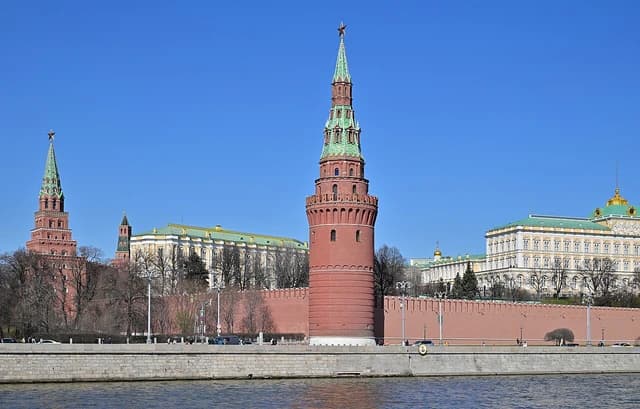
That pivot is already visible in the trade data. Russia’s commerce with friendly countries has surpassed 35 trillion rubles, according to the accompanying context, while trade turnover with Kazakhstan has reached $27 billion. Those figures point to a structural reorientation away from Europe and toward non-Western counterparts, with China, Central Asia and other sanctioned or neutral economies becoming more important for Russian energy, commodities and industrial trade.
For the Russian economy, the shift matters because foreign trade remains a critical channel for hard-currency earnings, industrial inputs and demand for energy exports. If Moscow can preserve access to buyers willing to transact despite sanctions, it can cushion the hit from Western restrictions and keep key sectors operating. The risk, however, is that this dependence on a narrower set of partners could deepen over time, leaving Russia more exposed to pricing leverage from China and other large buyers and to logistics constraints that come with moving trade eastward.
The message also lands against a fragile global backdrop. Adalytica’s Global Stability Sentiment gauge is at 11, marked “Extreme Fear,” reflecting the market’s sensitivity to geopolitical shocks and trade fragmentation. That kind of environment tends to support defensive positioning in commodities and energy markets while increasing uncertainty around shipping routes, payment systems and cross-border investment flows.
For investors, the implications are clearest in energy, commodities and geopolitical risk assets. Russian exporters may find willing buyers, but sanctions, settlement risks and policy volatility continue to cap upside for international capital. At the same time, countries and companies tied to alternative supply chains may benefit as trade routes and procurement patterns keep shifting away from Western markets.
The broader narrative is not that Russia is reopening to the world in a conventional sense, but that it is adapting to isolation by building a parallel commercial system with friendly states. The durability of that model will depend on whether Moscow can keep volumes flowing, maintain pricing power and avoid becoming too reliant on a smaller circle of buyers.
| Entity | Gains | Losses |
|---|---|---|
| Russia | ▲New non-Western trade flows | ▼Western market access |
| China/Central Asia | ▲Bargaining power in trade | ▼Exposure to sanctions risk |
| Russian exporters | ▲Demand for energy and goods | ▼Pricing leverage |
| Western firms/investors | ▲— | ▼Access to Russian market |