Russia’s latest barrage on Kyiv hit the offices of the My-Ukraine and My-Ukraine+ TV channels, injuring and killing people as the Kremlin says victory in Ukraine is “very close” and missile and drone attacks across the capital continue to intensify.
Russia strikes Kyiv TV offices as talks continue

The strike on a media workplace underscores that the war is not only grinding on the front line but is also reaching civilian institutions in the center of the Ukrainian capital. For investors, the immediate economic takeaway is further damage to physical infrastructure, higher wartime risk premia in Eastern Europe and fresh evidence that any durable ceasefire remains remote.
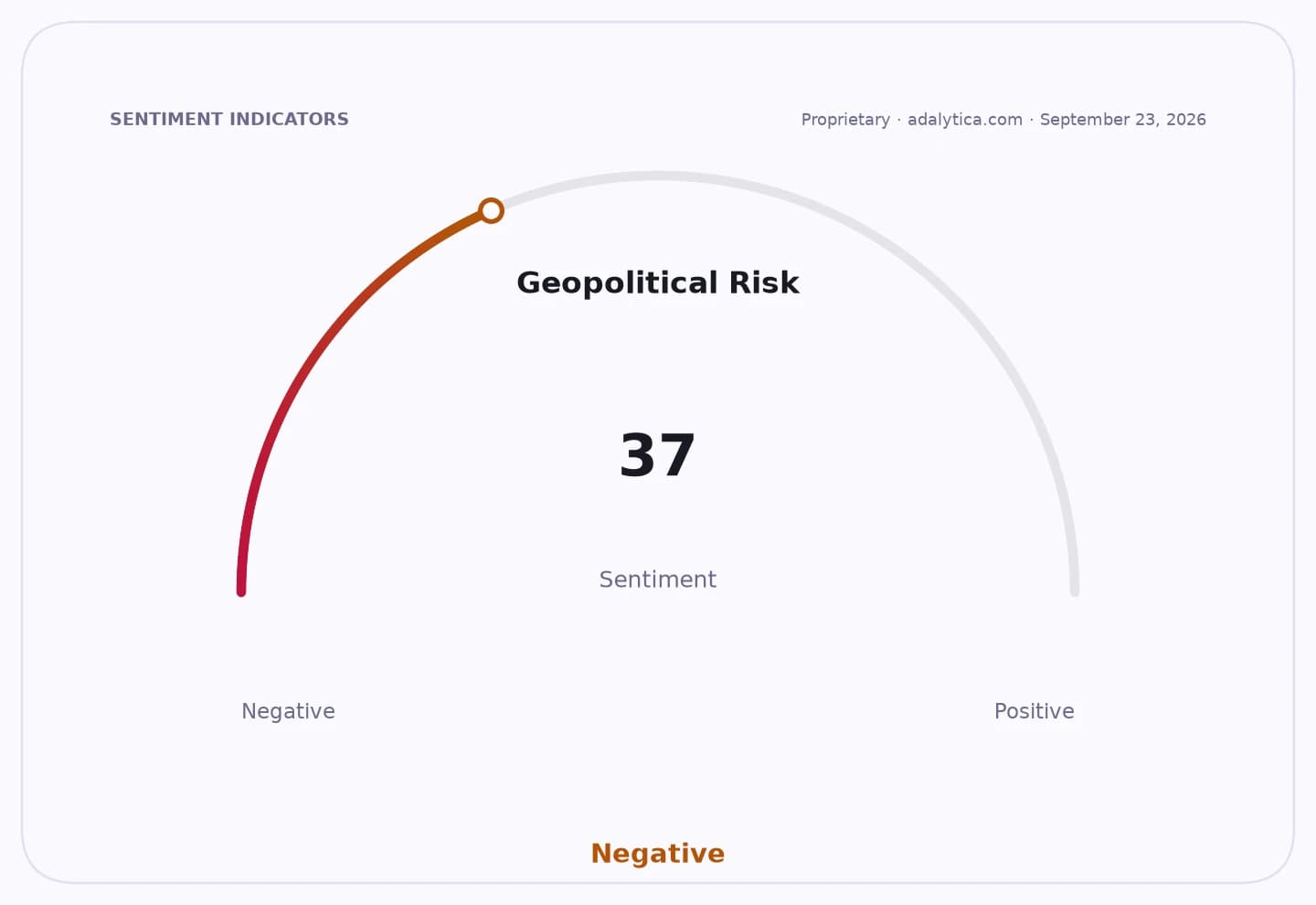
Sentiment IndicatorsⓘProprietary · adalytica.com · September 9, 2026
This is a snapshot — live sentiment, awareness and momentum for 130+ markets update continuously in the dashboard.Open AlphaPulse

Kyiv reported more explosions during an intermittent drone raid, while separate reports said fires broke out in several districts after Russian missile strikes. Ukrainian officials said at least two people were killed and 10 wounded in earlier attacks on the capital, with impacts across five districts, and the air force said Russia fired ballistic missiles, cruise missiles and 166 strike drones overnight.
The assault comes as Washington pushes a diplomatic track that has already produced movement toward another trilateral meeting, potentially in the UAE, Switzerland or Turkey. That matters because any sign of talks can briefly soften risk sentiment, but the scale of the latest strikes points to continued military escalation even as negotiations advance.
Russia’s rhetoric is also hardening. The Kremlin’s assertion that victory is close reinforces the market view that Moscow sees little urgency to compromise, raising the odds of a prolonged conflict that keeps pressure on Ukrainian reconstruction needs, European security spending and energy-market volatility.
For investors, the key question is whether the conflict broadens into sustained attacks on urban infrastructure, logistics and industrial assets. That would further weigh on regional assets and keep defense shares, energy security plays and companies tied to reconstruction in focus, while adding to downside risk for any assets priced for a near-term peace deal.
| Entity | Gains | Losses |
|---|---|---|
| Russian military | ▲Pressure on Kyiv | ▼Diplomatic goodwill |
| Ukraine’s broadcasters | ▲Public attention | ▼Offices, staff safety |
| Defense and security stocks | ▲Higher demand | ▼Peace-premium trades |
| European reconstruction plays | ▲Longer-term need | ▼Near-term stability hopes |