Putin is pressing for tighter internal political control and stronger state institutions as Russia faces the strain of a prolonged war in Ukraine, fresh sanctions pressure and mounting economic costs.
Russia Tightens Control as War and Sanctions Bite

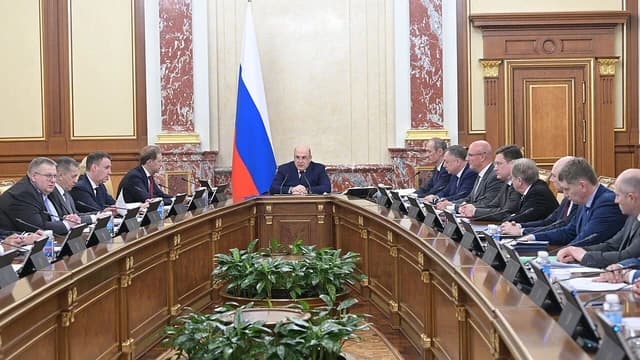
The Russian president said the country must “without any doubt” strengthen its domestic political situation and the resilience of statehood, arguing that Russia should keep reinforcing itself under the constitution despite “threats” from outside. The remarks came during a meeting with senior leaders of United Russia, the ruling party, and were paired with a call for prompt support for Russians taking part in what Moscow calls its special military operation.
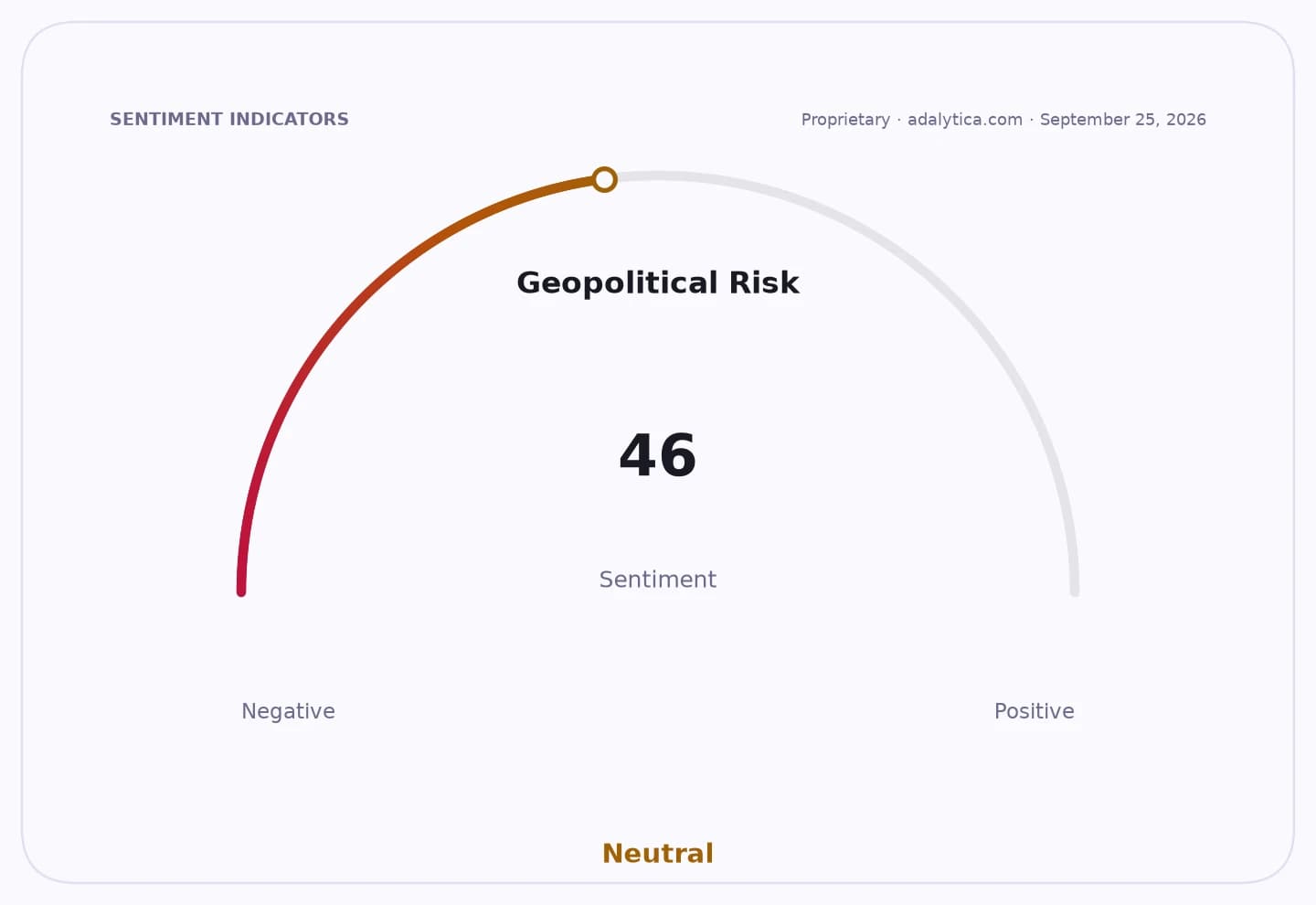
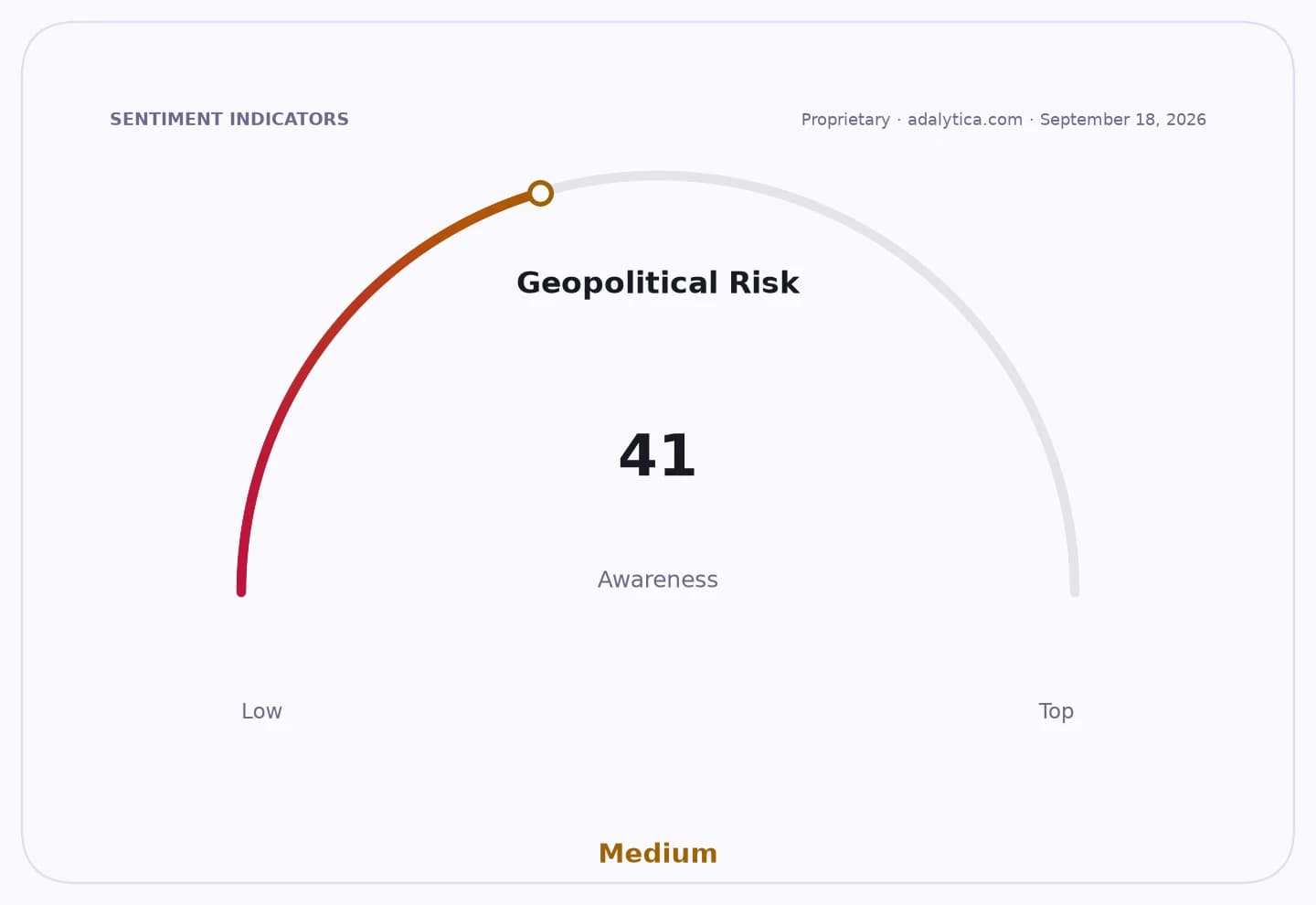
Sentiment IndicatorsⓘProprietary · adalytica.com · September 6, 2026
This is a snapshot — live sentiment, awareness and momentum for 130+ markets update continuously in the dashboard.Open AlphaPulse
For investors, the message is less about day-to-day politics than about the policy direction it reinforces: Russia is prioritizing regime stability, wartime mobilization and social support over liberalization or economic normalization. That tends to mean a heavier state role in the economy, more pressure on public finances and continued constraints on companies exposed to sanctions, capital controls and defense-linked spending.
The geopolitical backdrop remains volatile. The war in Ukraine is still escalating, while Moscow continues to face Western restrictions that weigh on trade, investment and access to technology. In that environment, political stability at home becomes a strategic requirement for the Kremlin, not just a domestic talking point.
Geopolitical Risk — 30-day sentimentadalytica.com
Explore this data interactively — full history, time series and cross-market comparisons.Open AlphaPulse
The broader market read is that Russia-related risk remains elevated even if some assets have stabilized. Adalytica’s Global Stability Sentiment gauge shows extreme attention at 89, with a sentiment reading of 74, suggesting investors and policymakers are still focused on geopolitical fragility.
Energy markets are one channel through which that risk is priced. Brent-linked oil exposure via the BNO ETF has rallied sharply, with the fund closing at $56.11 on Sept. 4, well above its 50-day moving average of $48.64 and 200-day average of $42.96. Its RSI reading of 67.7 indicates the move has been strong, underscoring how sanctions, supply concerns and war risk continue to support crude.
For now, the key investor question is whether Moscow’s push for internal consolidation leads to more fiscal strain, more policy intervention and a longer period of geopolitical uncertainty. The next catalysts are likely to come from the war front, new sanctions decisions and any further signals on Russia’s domestic mobilization and spending priorities.
| Entity | Gains | Losses |
|---|---|---|
| Kremlin / United Russia | ▲Tighter control | ▼Policy flexibility |
| Russia’s security state | ▲Bigger mandate | ▼Fiscal restraint |
| Oil bulls / BNO holders | ▲Supply-risk premium | ▼Normalized pricing |
| Western sanctions backers | ▲Pressure on Moscow | ▼Faster de-escalation |