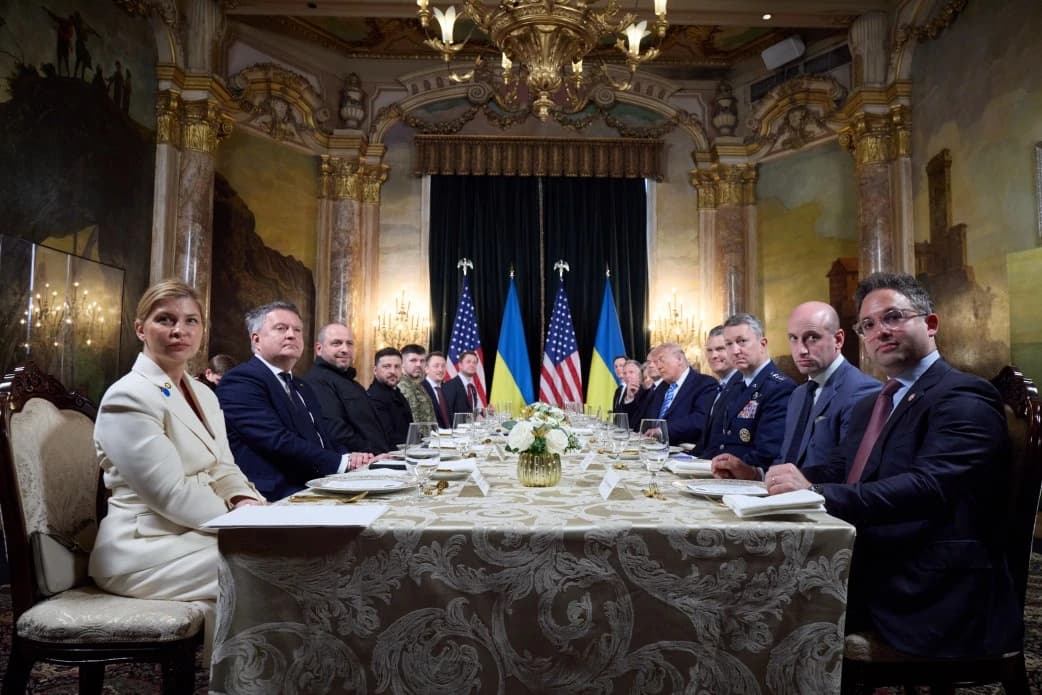
Russia and Ukraine have agreed in principle to resume direct peace talks with U.S. mediation as early as Nov. 10, a notable diplomatic opening that could reshape the war’s trajectory and the market’s view of European geopolitical risk.
Russia and Ukraine Plan Direct Peace Talks
The development matters because it raises, at least tentatively, the prospect of a ceasefire or broader settlement in a conflict that has kept pressure on energy prices, defense spending, sanctions policy and regional stability for nearly four years. For investors, even a fragile path back to negotiations can affect crude, European risk assets, the euro and defense shares, while also testing assumptions about U.S. leverage over both Kyiv and Moscow.
Sentiment Indicators
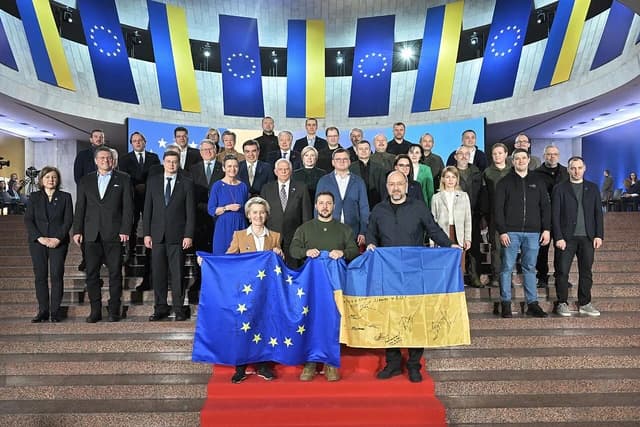
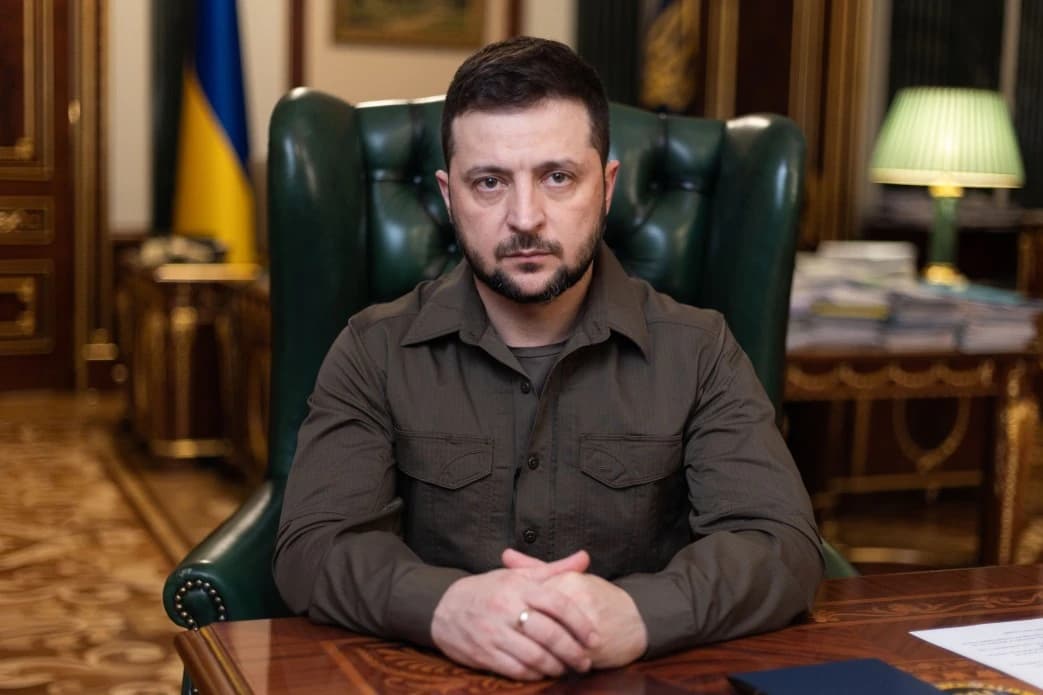
The Kremlin said the next round would begin at a technical level in Abu Dhabi and focus on security guarantees for both sides after the war ends. Ukrainian President Volodymyr Zelenskiy said the discussions had been constructive and reiterated that Kyiv wants the U.S. and Europe involved in any format that produces a durable settlement. He also backed the idea of trilateral talks with President Donald Trump and Russian President Vladimir Putin, underscoring how central Washington has become to the process.
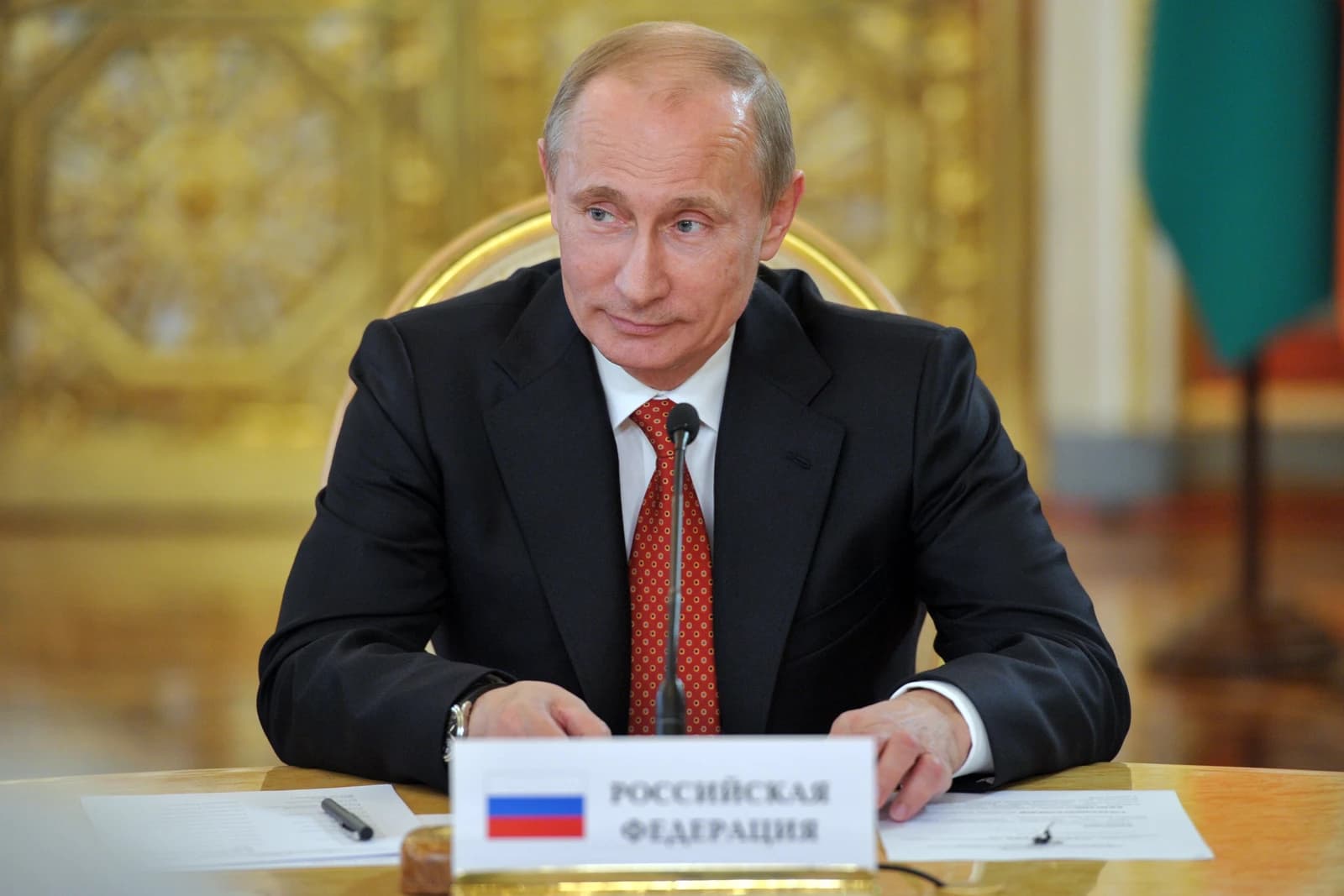
The talks follow a meeting between Putin and Steve Witkoff, the U.S. envoy, in St. Petersburg, their ninth in-person encounter. Russia said the meeting opened with the release of Stephen Hubbard, a retired U.S. teacher held in Russia, a gesture that appeared designed to show good faith after Trump asked for his case to be resolved. Kremlin aide Yuri Ushakov said the sides discussed possible economic projects as well as the conflict, suggesting Moscow is pairing diplomacy with the prospect of future commercial normalization.
That combination matters economically because any meaningful reduction in sanctions risk would reverberate well beyond the battlefield. Russian energy exports, cross-border trade, reconstruction financing and eventual access to capital markets all hinge on whether talks produce a ceasefire, a frozen conflict or a broader political agreement. A durable deal would also relieve some of the war premium embedded in commodities and European assets; failure would leave those risks in place.
The market backdrop reflects that tension. U.S. crude exposure, as tracked by the USO fund, has been under heavy pressure, with Adalytica’s Oil WTI Trade Signals showing “Extreme Fear,” while gold has also lost some haven appeal, with Adalytica’s Gold Fear & Greed Index at an “Extreme Fear” reading. By contrast, the energy sector ETF XLE remains elevated, though recent price action shows some cooling from its highs, indicating investors are still balancing supply concerns against the possibility of diplomatic de-escalation.
But the diplomatic path remains narrow. Kyiv and Moscow remain far apart on the core terms of any peace deal, including territory, NATO membership and the structure of security guarantees. Trump has recently increased pressure on Kyiv to accept a deal, while Ukrainian officials have complained about delays to intelligence support and complications around Starlink services. That friction matters because it shapes the balance of leverage at the negotiating table and raises questions about whether Washington is pressing for an end to the war before the parties are ready to compromise.
For investors, the key issue is not whether talks start, but whether they move from optics to substance. A real ceasefire would support European risk assets, reduce upside risks to oil and deepen the underperformance of some defense beneficiaries; a stalled process would keep the war premium alive and preserve demand for energy hedges and safe-haven flows. The November talks will therefore be watched as much for what they reveal about U.S. influence as for whether Putin and Zelenskiy can close the gap on the terms of peace.
| Entity | Gains | Losses |
|---|---|---|
| Ukraine and Russia | ▲Diplomatic channel opens | ▼Battlefield leverage narrows |
| U.S. mediators | ▲Geopolitical influence grows | ▼Credibility at risk if talks fail |
| Energy consumers | ▲Lower war premium possible | ▼ |
| Oil and defense bulls | ▲ | ▼Peace expectations cap upside |