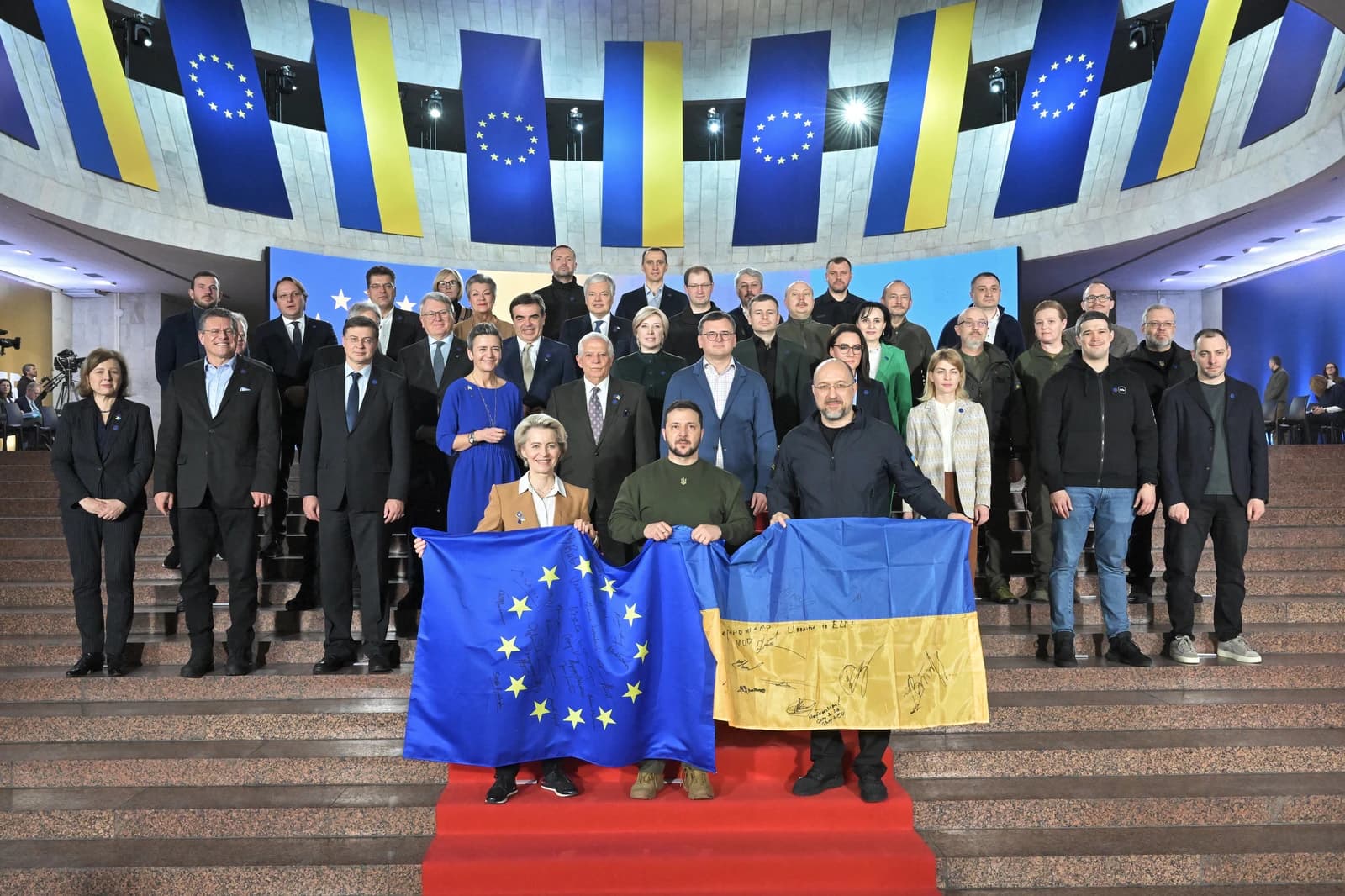
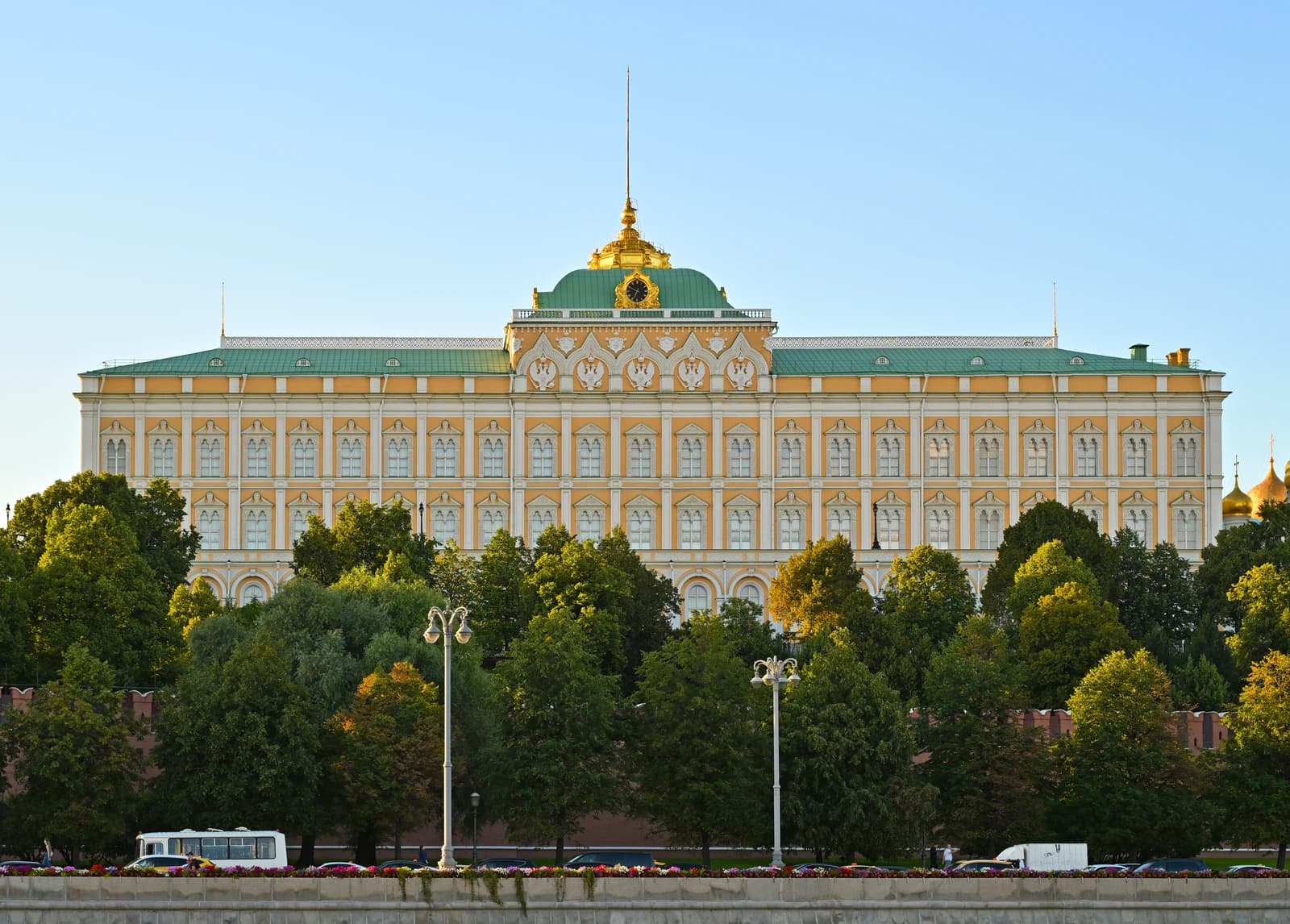
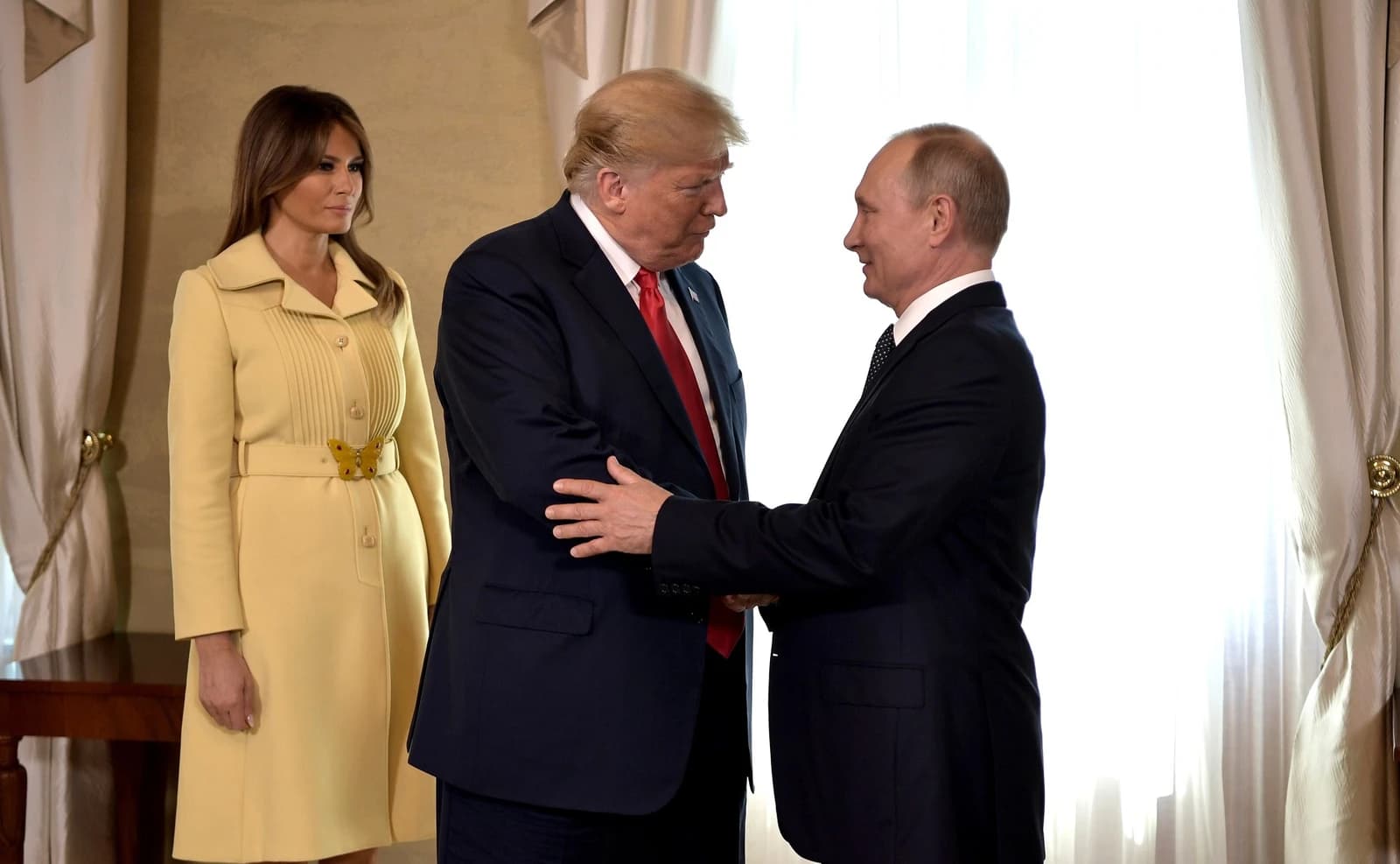
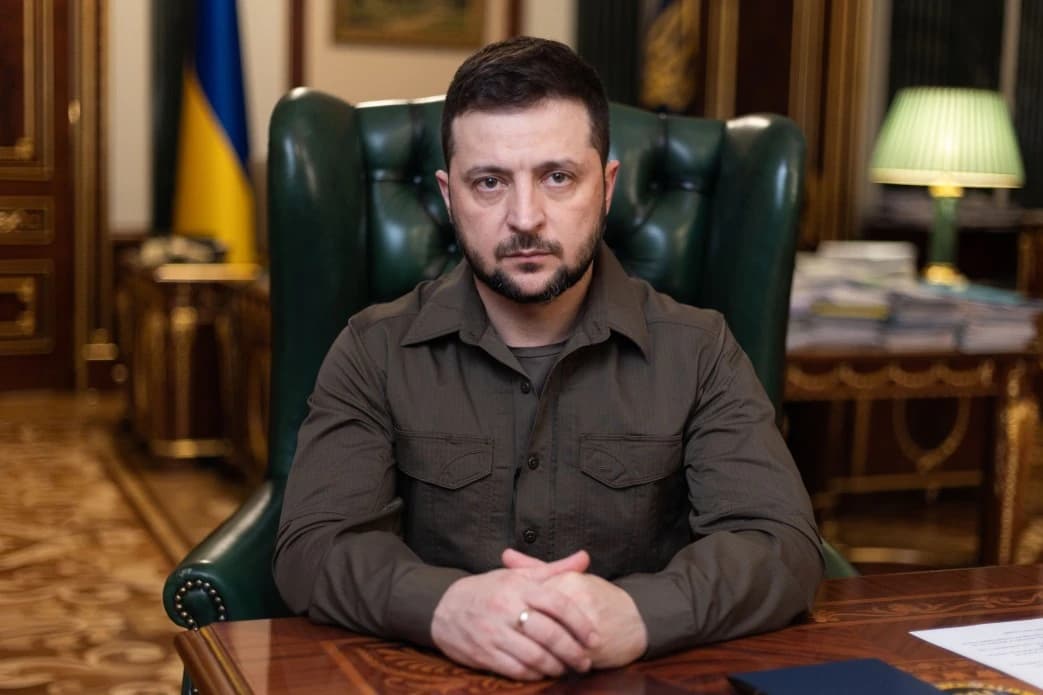
Russia has drawn a hard line on Ukraine peace talks even as Washington and Moscow explore a possible deal, saying any settlement that bypasses Kyiv cannot work and that a real breakthrough still requires a decision from the Ukrainian capital.
Russia Says Ukraine Peace Deal Needs Kyiv
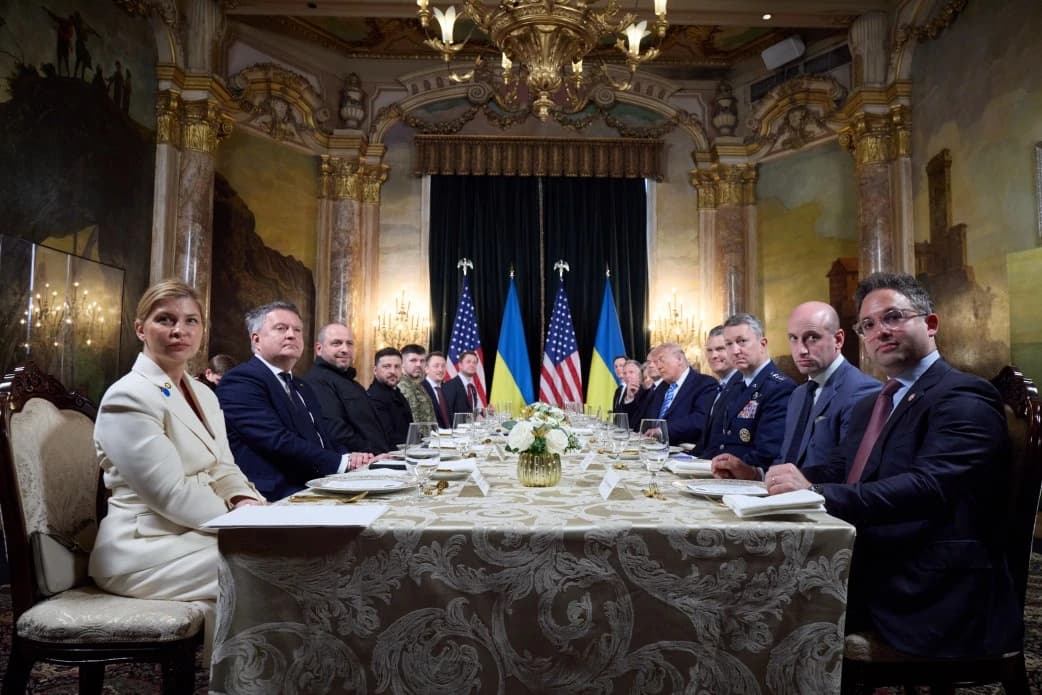
That matters because the market’s appetite for a ceasefire trade has been rising on every hint of progress, from U.S.-Russia contacts to President Donald Trump’s upbeat remarks that the world is “closer to peace than ever before.” But the Kremlin’s latest message shows the path to an accord remains politically fragile, keeping a peace premium embedded in European assets, defense stocks and commodities tied to war risk.
Sentiment IndicatorsⓘProprietary · adalytica.com · October 26, 2026
This is a snapshot — live sentiment, awareness and momentum for 130+ markets update continuously in the dashboard.Open AlphaPulse

Dmitry Peskov, President Vladimir Putin’s spokesman, said “full” resolution of the conflict is impossible without representatives from Kyiv taking part, even if Moscow and Washington reach understandings of their own. He also dismissed Finnish President Alexander Stubb’s comments on the prospects for peace as little more than a repeat of the broader European line, which the Kremlin sees as non-constructive.
The practical economic issue is that war risk in Ukraine still distorts capital flows, energy pricing and defense spending assumptions across Europe. Every incremental sign of diplomacy can support risk appetite in regional equities and pressure safe-haven trades, but the absence of a genuine negotiating framework means investors cannot yet price a durable peace dividend. That keeps the market in a wait-and-see mode rather than a full repricing.
Gold’s recent price action shows how quickly sentiment can flip. GLD, the SPDR Gold Trust, closed at $366.61 on Oct. 23, below its 50-day moving average of $394.50 and well under its 200-day average of $414.21, with RSI readings near 37.5, reflecting fading immediate demand for havens even as geopolitical uncertainty persists. Adalytica’s Gold Fear & Greed Index sits at an extreme-fear reading of 6, underscoring how sharply positioning can swing on diplomacy headlines.
That leaves investors with a split screen: peace optimism can trigger a sharp relief rally in European risk assets and commodity proxies, but any deal still depends on politically difficult concessions that remain far from settled. For now, the market is trading hope, not resolution.
The investable takeaway is to stay selective. I believe the best opportunities sit in companies and funds that benefit from lower geopolitical risk if talks advance, but investors should resist chasing the headline spike until Kyiv is actually in the room and a verifiable framework emerges. Until then, the Ukraine peace trade remains tactical, not structural.
| Entity | Gains | Losses |
|---|---|---|
| European risk assets | ▲Relief rally on peace hopes | ▼Reprice lower if talks fail |
| Gold and safe havens | ▲Support from renewed uncertainty | ▼Slip on ceasefire optimism |
| Defense contractors | ▲Sustained demand from war risk | ▼Miss out if de-escalation sticks |
| Diplomacy-led traders | ▲Volatility opportunities | ▼Need faster, credible progress |