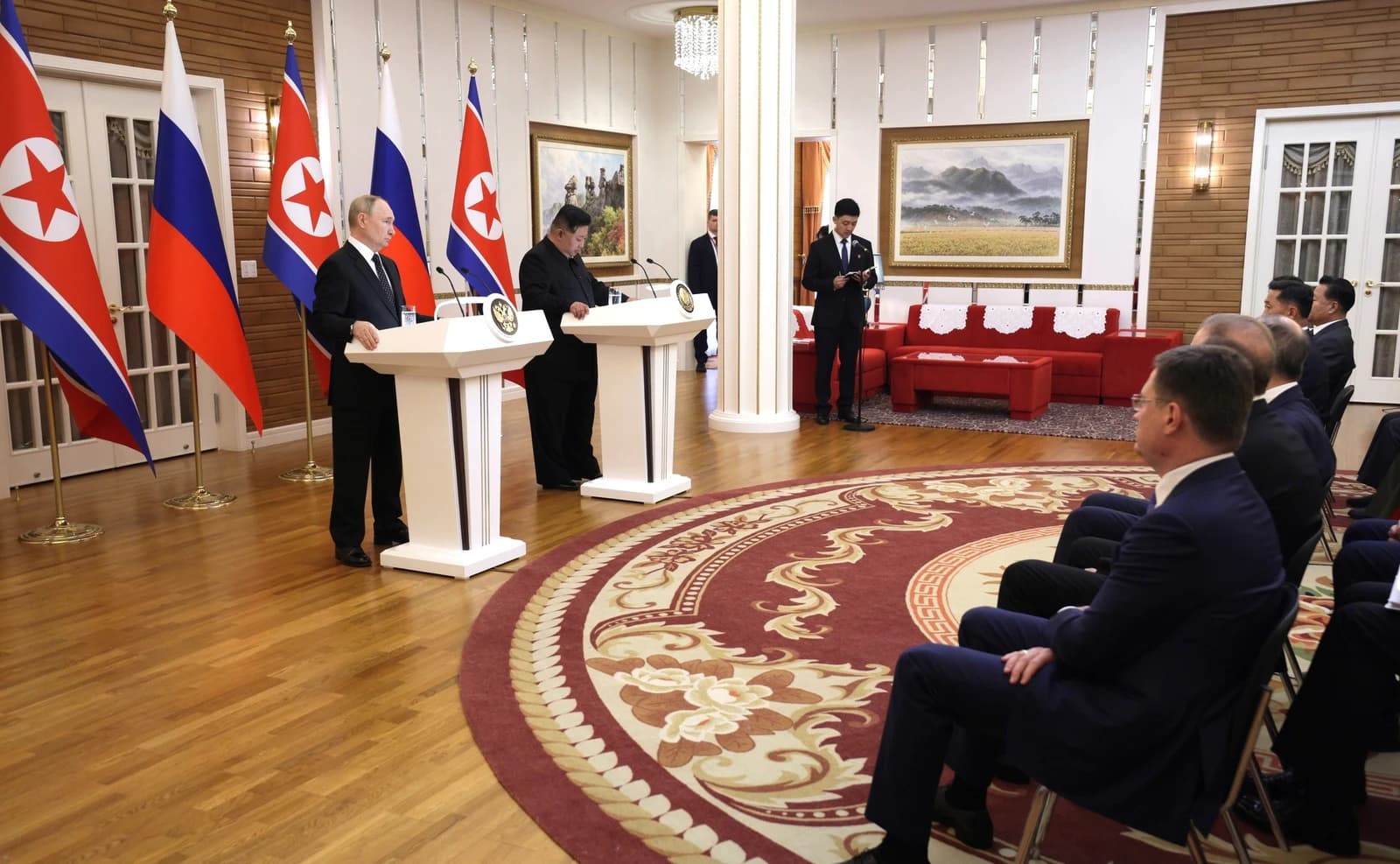
Russia says it is willing to keep talking on Ukraine, but only after prior commitments are fulfilled, a stance that keeps the door open to diplomacy while signaling that a near-term settlement remains unlikely.
Russia Says Ukraine Talks Can Resume After Commitments
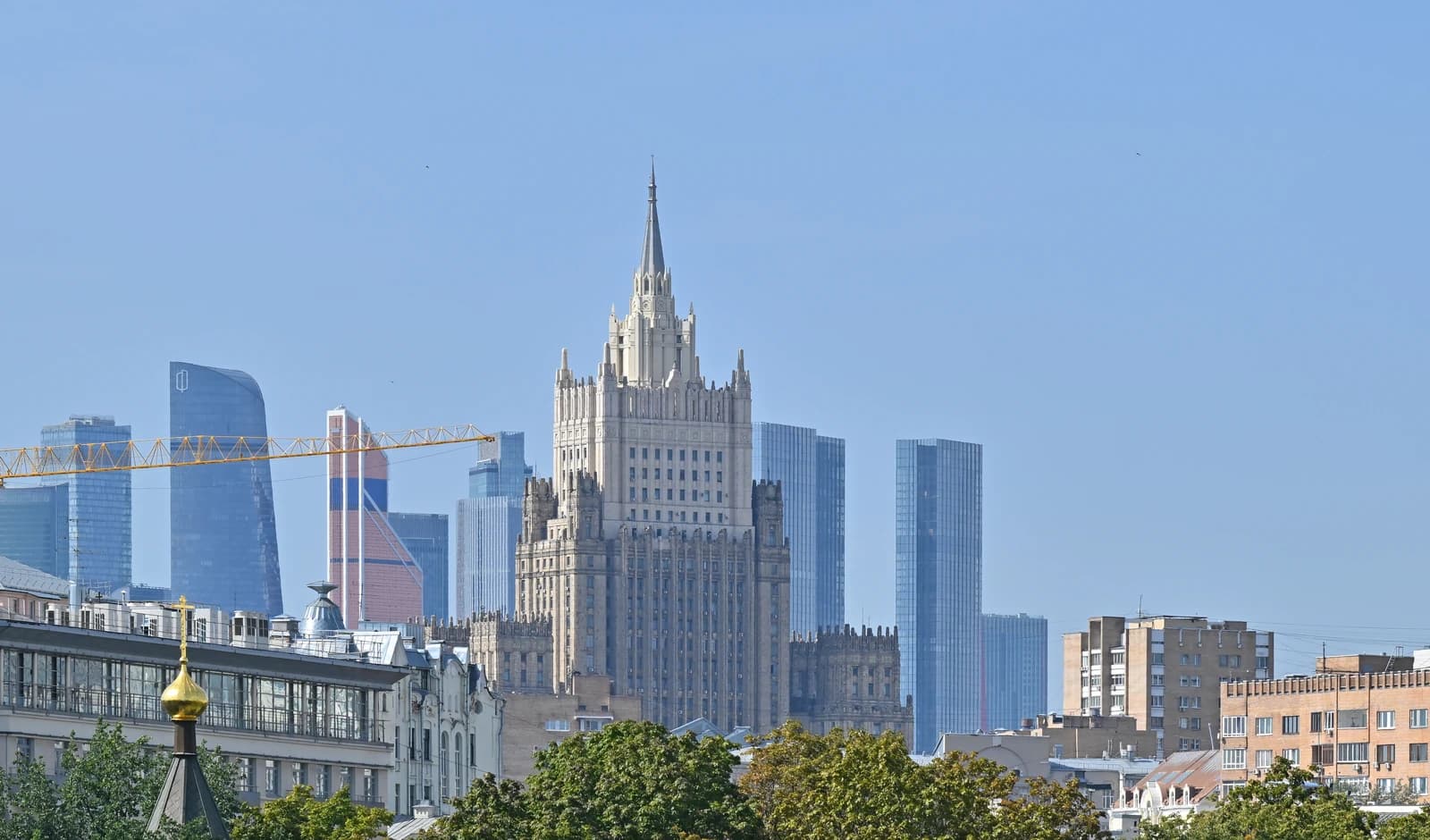
The message from Foreign Ministry spokeswoman Maria Zakharova reinforces Moscow’s effort to frame itself as open to negotiations without conceding on implementation first. For markets, that matters because any real progress toward a ceasefire would ripple through European energy prices, the euro, defense stocks and gold, while another failure to advance talks keeps geopolitical risk elevated.
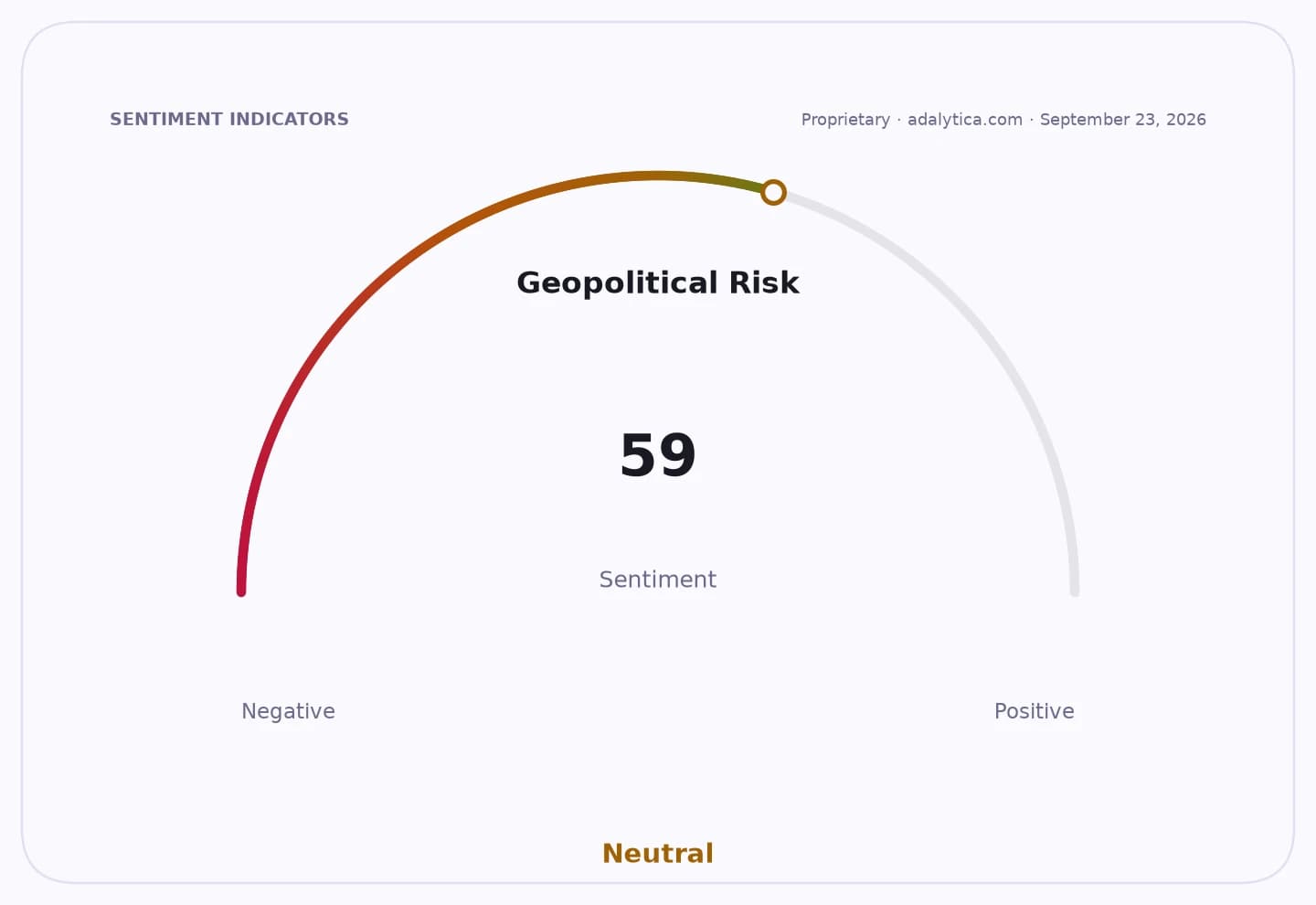
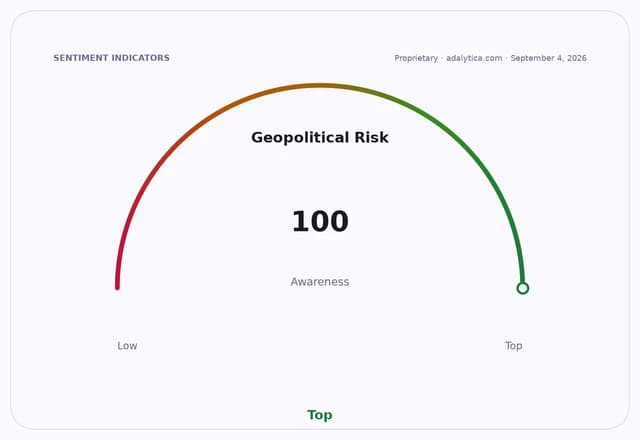
Sentiment IndicatorsⓘProprietary · adalytica.com · September 4, 2026
This is a snapshot — live sentiment, awareness and momentum for 130+ markets update continuously in the dashboard.Open AlphaPulse
Zakharova said Russia “is not against any contacts” and is ready for future ones, but stressed that “the key point is not words, but the concrete implementation of what was agreed.” She also said Moscow has “never let anyone down,” underscoring Russia’s claim that it has honored its obligations.
The comments come after President Vladimir Putin told the Eastern Economic Forum that chances for resolving the Ukraine conflict still exist and said the main negotiating role should be played by Moscow and Kyiv, with other countries providing support. Putin also singled out China’s efforts, a reminder that any diplomatic track is likely to involve broader geopolitical maneuvering beyond bilateral talks.
Investor attention will stay fixed on whether the rhetoric turns into a channel for direct negotiations, or whether it simply prolongs a stalemate. Any sign of substantive movement could pressure safe-haven assets and lift European risk appetite, while a breakdown would keep demand for hedges such as gold supported and sustain the premium on energy and defense exposure.
| Entity | Gains | Losses |
|---|---|---|
| Russia | ▲Diplomatic leverage | ▼Pressure for concessions |
| Ukraine | ▲Potential talks channel | ▼Risk of stalemate |
| Gold and other havens | ▲Safe-haven demand | ▼De-escalation trade |
| European risk assets | ▲Ceasefire relief | ▼Prolonged war risk |