President Vladimir Putin is leaning harder on a familiar message: that Russia’s unity across more than 100 ethnic groups remains central to the country’s stability as the war in Ukraine grinds on and the Kremlin faces mounting military, economic and diplomatic strain.
Russia unity message as war and sanctions drag on
That matters because Moscow is not just speaking about social cohesion in the abstract. In wartime, the Kremlin needs internal discipline, a steady flow of recruits and a population willing to absorb sanctions, higher defense spending and a prolonged confrontation with the West. Putin’s remarks at the International Week of Russia’s Peoples were also a reminder that the state is trying to frame the conflict as a common national project, not just a military campaign.
Putin said attempts to inflame ethnic discord in Russia must be stopped, while stressing that the Russian language and the Russian people remain the foundation of statehood. He also described consent and mutual respect among Russia’s peoples as a load-bearing structure of sovereignty. That language is politically important in a country that spans multiple regions, religions and identities — and it becomes even more sensitive when the government is asking society to stay unified through a costly war.
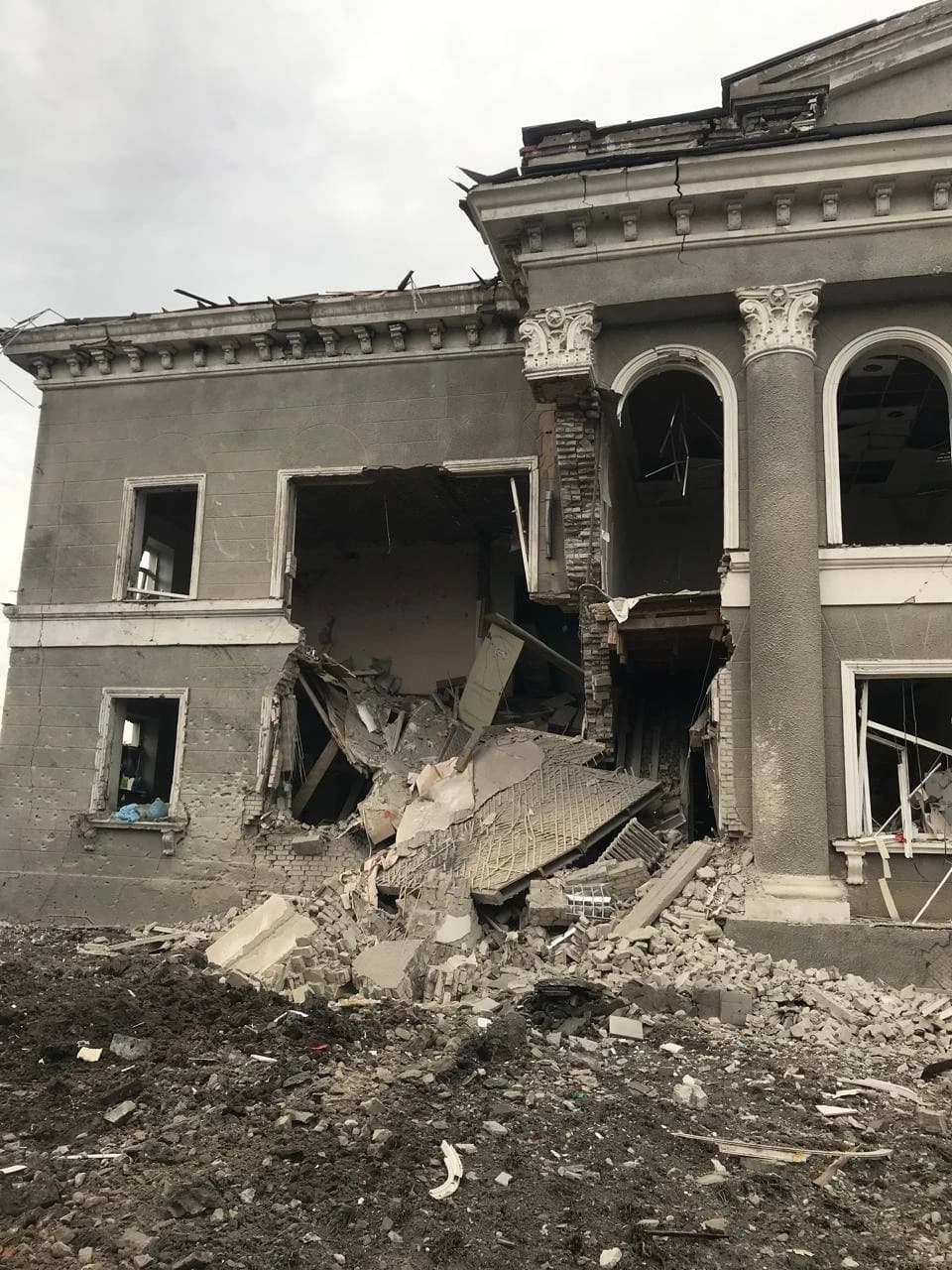
The timing is notable. Russia’s invasion of Ukraine has entered a grinding phase marked by continued fighting, attacks on infrastructure and growing international condemnation. The Kremlin is still trying to sustain momentum on the battlefield while keeping domestic politics under control. Elevating unity is one way to reduce the risk that battlefield stress, casualty fears or economic pressure turn into broader public discontent.
There is also an economic angle. War economies tend to reward centralized control, state spending and strategic industries while squeezing consumer demand and long-term productivity. For investors, that means Russia remains a difficult market: sanctions, capital controls and geopolitical isolation continue to limit any real rerating in Russian assets, even if energy-linked and defense-adjacent sectors can still move on domestic policy support or commodity prices.
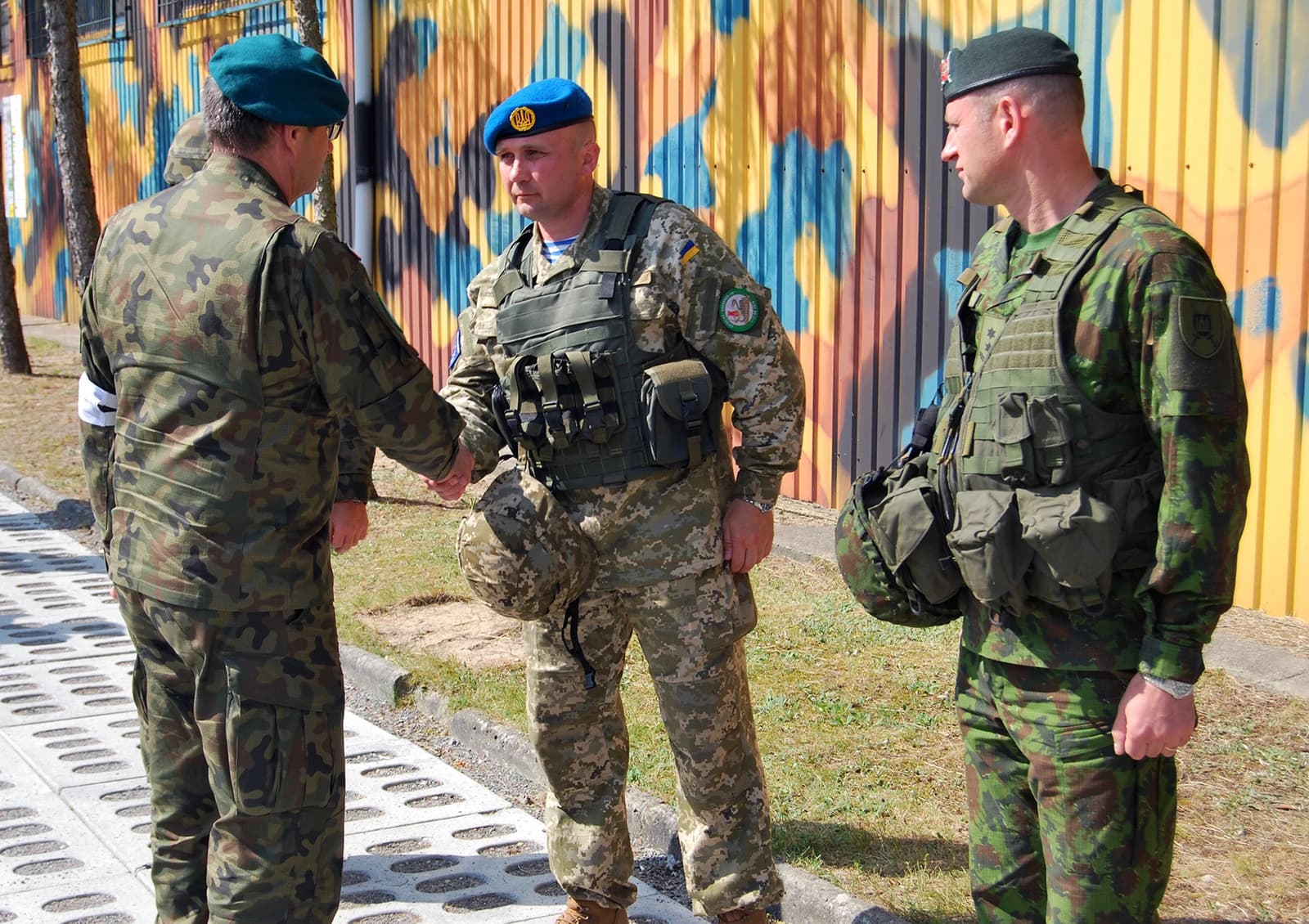
The message also fits the Kremlin’s broader effort to present the conflict as existential. By celebrating representatives of more than 100 ethnic groups who received awards for bravery in the war, Moscow is tying military sacrifice to national identity. That helps explain why the government keeps investing in patriotic messaging even as the battlefield and diplomatic outlook remain unfavorable.
For long-term investors, the takeaway is simple: Russia’s near-term story is still dominated by war, state control and geopolitical risk, not normal valuation analysis. Unless there is a real shift toward de-escalation, sanctions relief and institutional stability, Russian equities and the ruble are likely to remain hostage to politics rather than fundamentals. Watch the unity rhetoric as a signal of how determined the Kremlin is to keep the domestic front sealed.
| Entity | Gains | Losses |
|---|---|---|
| Kremlin | ▲tighter domestic control | ▼public tolerance for a drawn-out war |
| Russian state media/patriotic messaging | ▲stronger wartime narrative | ▼space for dissent |
| Russian citizens | ▲official support and recognition | ▼economic strain and casualty burden |
| Foreign investors in Russian assets | ▲limited near-term upside from stability | ▼sanctions risk and policy uncertainty |