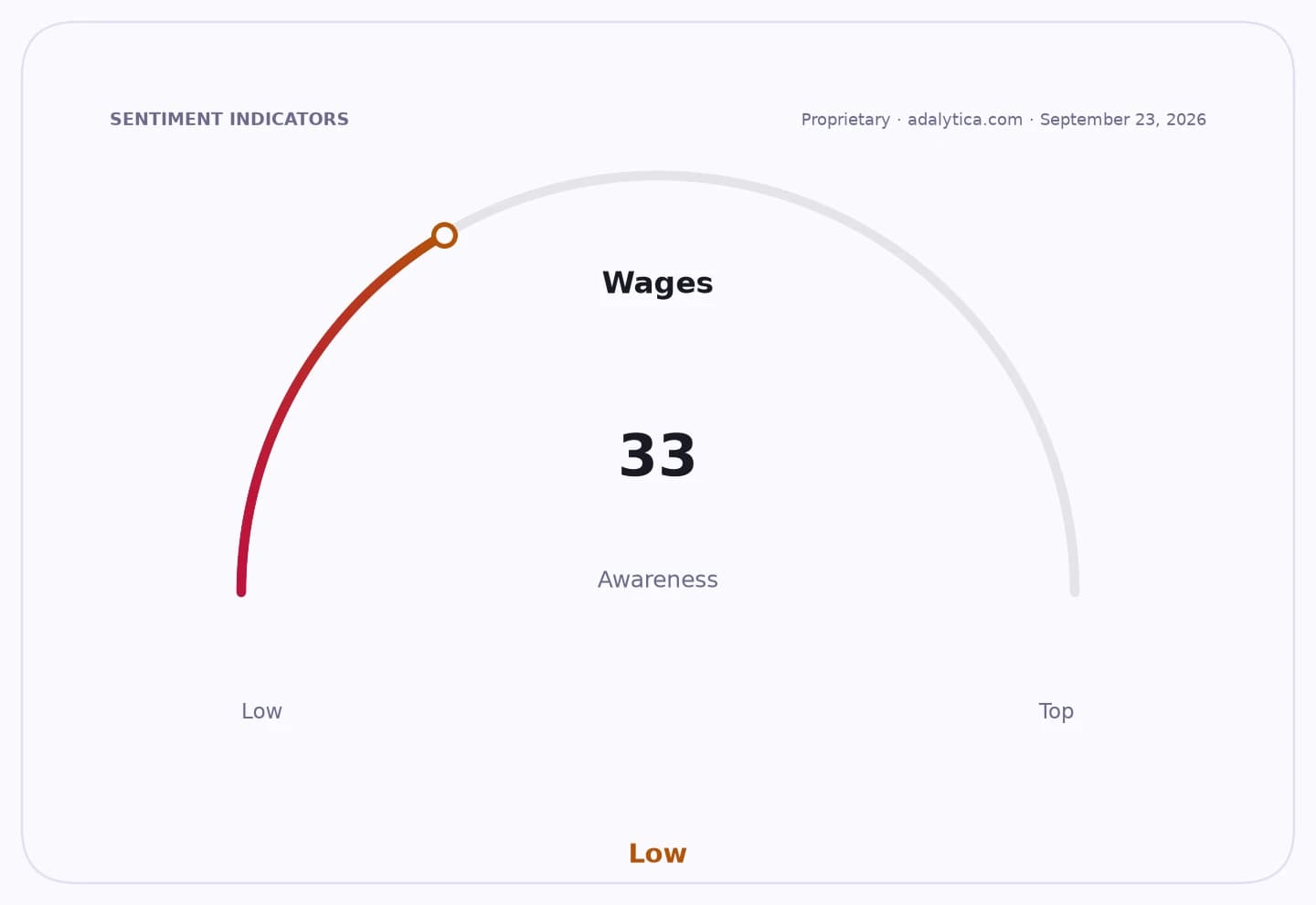
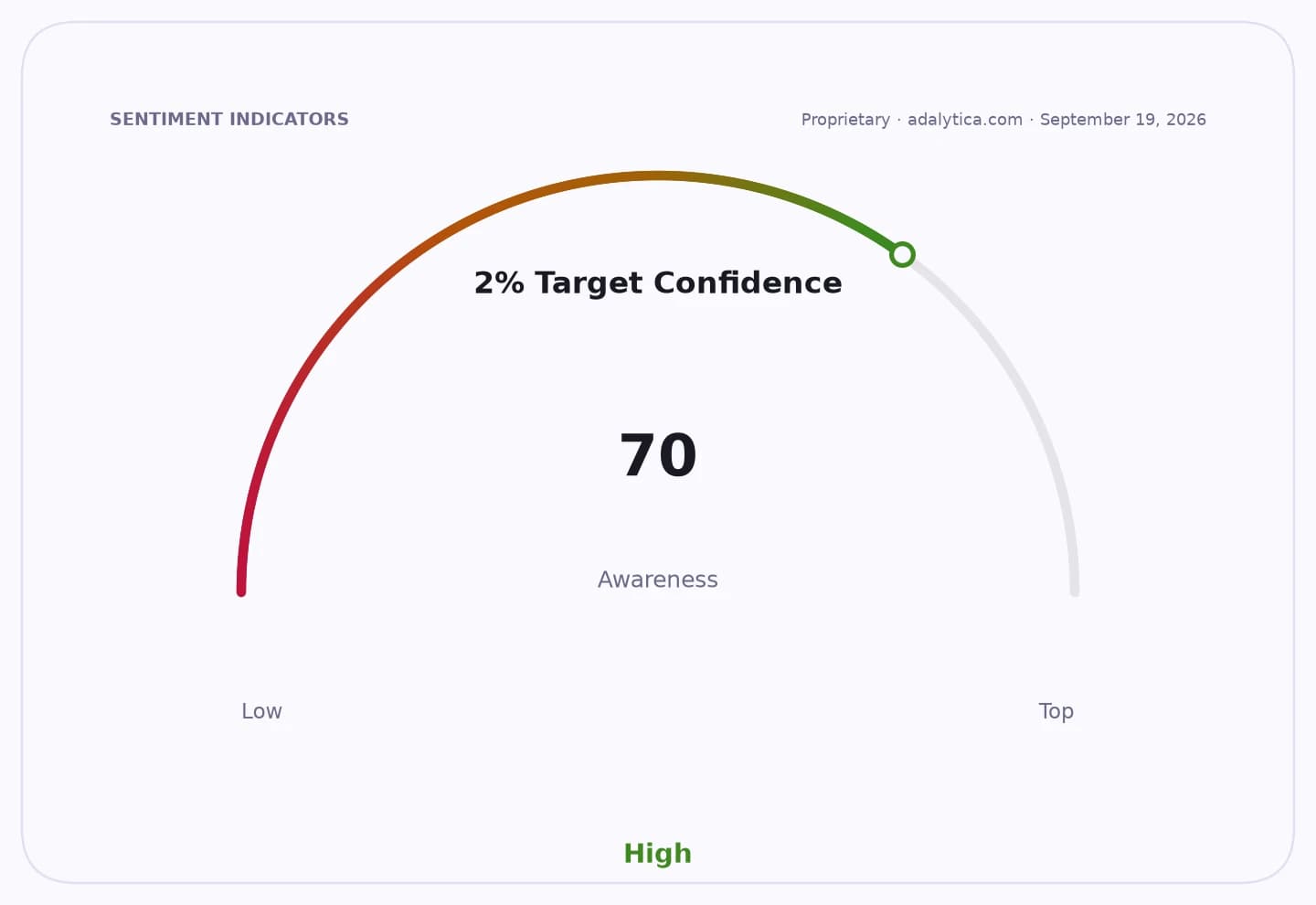
Russia’s tightening labor market is pushing wages higher, but the bigger economic story is that those gains may not translate into real household wealth if they simply feed inflation and force the central bank to keep policy restrictive.
Russia wage growth may boost inflation and rates
Analysts are warning that nominal pay in Russia could rise about 5% by 2027, with increases of as much as 10% in industry, construction and logistics as employers compete for scarce workers. That sounds like good news for employees, but in a slow-growing economy with expensive credit and weak productivity, it can quickly become a problem for prices.
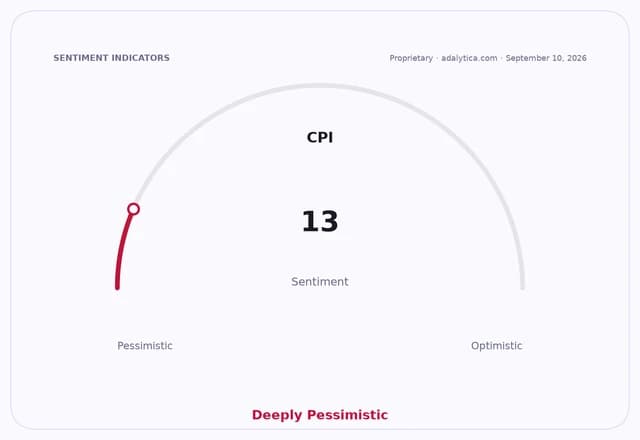
Sentiment IndicatorsⓘProprietary · adalytica.com · September 10, 2026
This is a snapshot — live sentiment, awareness and momentum for 130+ markets update continuously in the dashboard.Open AlphaPulse
The core issue is a shortage of qualified labor. Companies need workers, builders and drivers, so they are bidding up pay. Yet if wage growth runs ahead of output, businesses often respond by cutting bonuses, delaying investment or passing costs on to consumers. That is how an inflationary spiral starts: higher wages lift demand, demand outpaces supply and inflation forces another round of policy tightening.
For investors, that matters because it keeps Russia in a difficult macro setup. Higher rates make borrowing more expensive for companies, weigh on capital spending and limit the chance of a broad consumption-led recovery. Even sectors with stronger wage growth may not see much improvement in real purchasing power if inflation absorbs the increase. In other words, the headline pay gains may look better than the lived reality for households.
The uneven nature of the wage story also matters. Industrial workers, builders and logistics staff may benefit most from the labor crunch, while employees in areas such as IT and luxury retail could see real incomes eroded if demand softens. A push to standardize pay in the public sector, including for doctors, is another sign that wage policy is becoming more politically sensitive as regional disparities widen.
The long-term implication is simple: Russia can get nominal wage growth without creating genuine prosperity. Unless productivity improves and supply expands, higher salaries will do little more than keep inflation sticky and force the Bank of Russia to stay hawkish. For investors watching the country’s economy, that is a reminder to focus on cash flow, pricing power and balance-sheet strength rather than assuming rising pay alone means stronger consumer demand.
| Entity | Gains | Losses |
|---|---|---|
| Skilled workers in shortage sectors | ▲Higher nominal wages | ▼Real gains may be eroded by inflation |
| Bank of Russia | ▲Leverage to keep rates tight | ▼Pressure if wage inflation persists |
| Employers in Russia | ▲Access to labor if they pay more | ▼Higher costs, thinner margins |
| Consumers and savers | ▲Little immediate benefit | ▼Purchasing power and savings value |