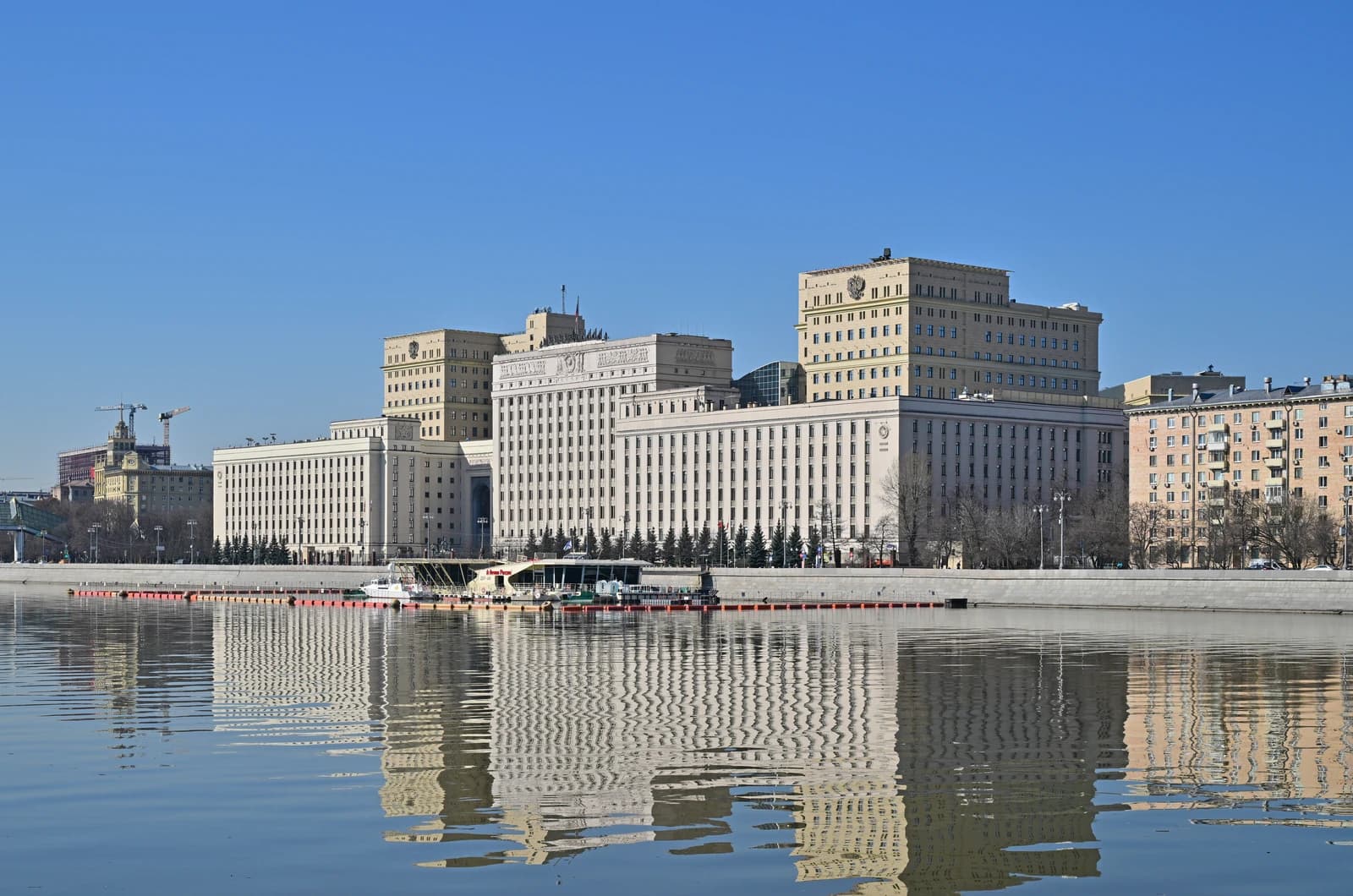
Russia’s warning for diplomats and foreign nationals to leave Kyiv underscores a sharper, more dangerous phase in the war that is likely to keep pressure on Ukrainian infrastructure, energy assets and investor sentiment well into the winter.
Russia warns diplomats to leave Kyiv amid strikes

For investors, the key point is not the warning itself but what sits behind it: Moscow is signaling that the attacks on the capital are not easing, even as it keeps claiming it is targeting only military sites. In practice, the strikes have hit bridges, transportation links and other civilian infrastructure, raising the risk of prolonged disruption to logistics, mobility and rebuilding costs across Ukraine.
That matters economically because Kyiv is not just a political symbol; it is a city of about 3 million people and a central node in the country’s transport and administrative network. The North Bridge was struck this week after the South Bridge was hit repeatedly by drones on Thursday and Friday, forcing closures that triggered heavy congestion. When bridges over the Dnipro are damaged, the impact spreads quickly into commuting, supply chains, emergency response and the movement of goods and workers.
The broader market angle is straightforward: every escalation like this lifts the geopolitical risk premium. Gold, which investors often buy as a refuge in times of uncertainty, has been volatile but remains supported by the wider fear trade. U.S. oil prices have also been elevated by the conflict backdrop, reflecting how war risk can feed into energy markets even when the direct physical impact on supply is limited. At the same time, the S&P 500, as measured by the SPY ETF, has stayed resilient near record territory, a reminder that global equities can look past conflict until the damage becomes more widespread.
Technical indicators on SPY suggest the market has not fully broken risk appetite: the ETF is trading above both its 50-day and 200-day moving averages, and RSI readings are neither deeply oversold nor overheated. Gold’s picture is less comfortable, with GLD below its 50-day and 200-day averages and momentum still soft. Oil, by contrast, has held a firmer tone, consistent with the idea that geopolitical shocks are being priced more through energy than through broad market panic.
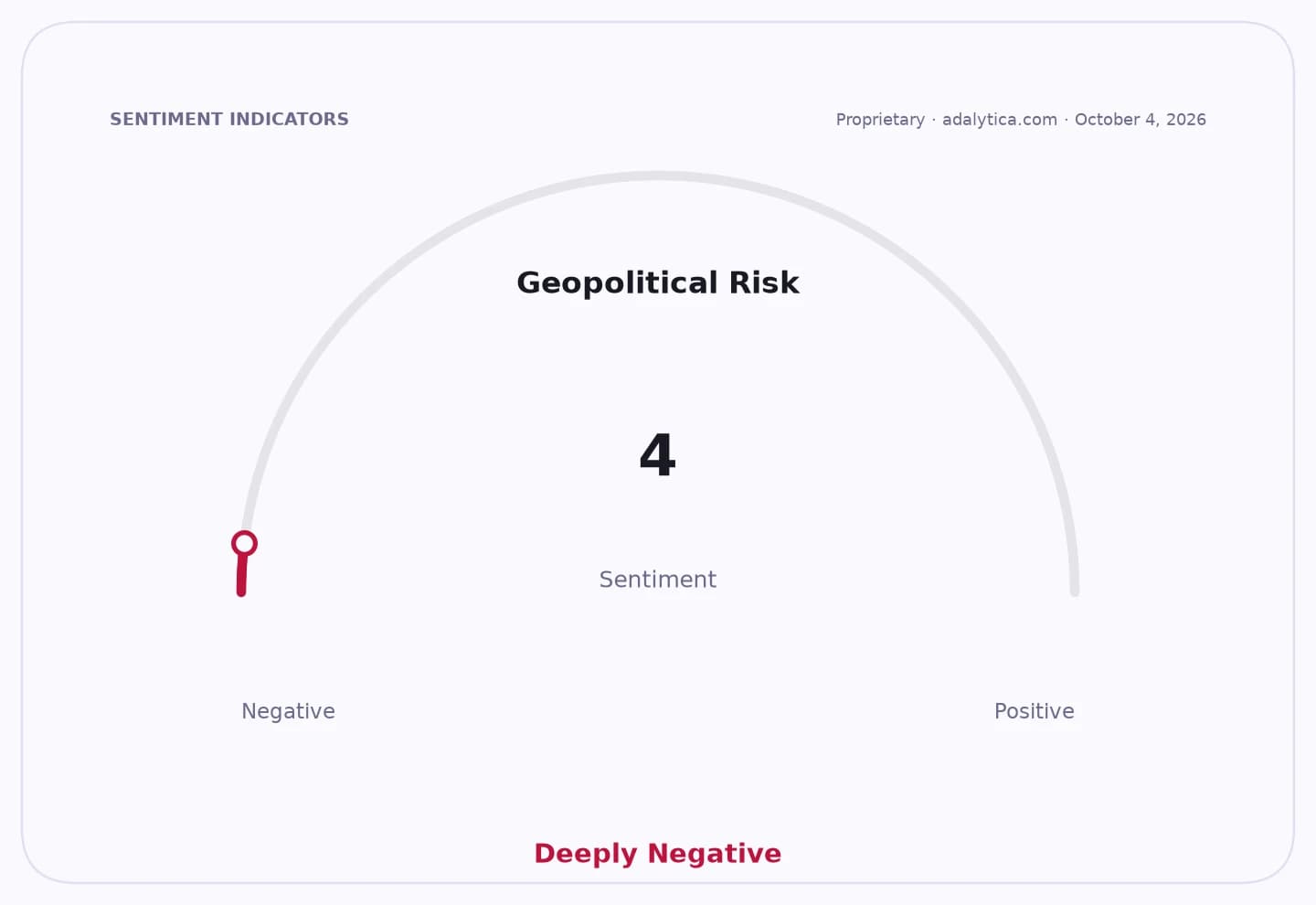
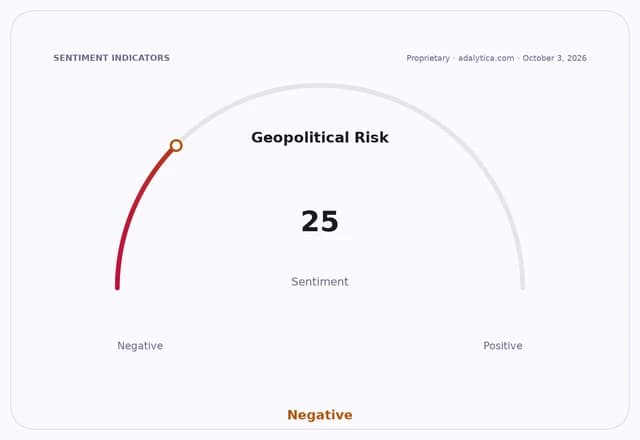
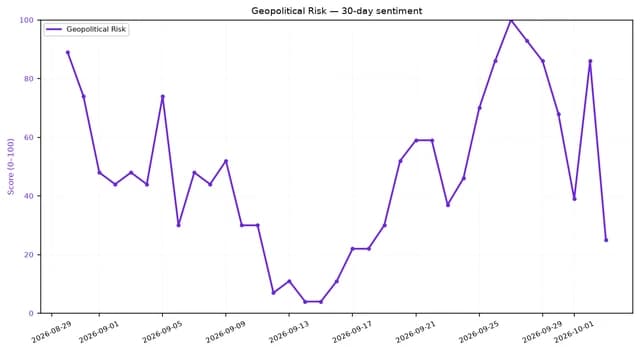
The Adalytica.com Global Stability Sentiment gauge also points to a sharp deterioration in mood, showing “Fear” and “Extreme Fear” after a steep one-day drop. That kind of swing matters because it captures how fast the war can change investor psychology even when the headlines are confined to one city.
The investment takeaway is that this is a reminder to own diversified portfolios, not make binary bets on war headlines. For long-term investors, the right response is usually patience: keep an eye on energy, defense and select safe-haven assets, but focus on companies and funds with durable earnings power that can outlast geopolitical shocks. The Ukraine story is still primarily a human tragedy, but for markets it is also a test of how much risk global investors are willing to absorb before repricing grows more severe.
| Entity | Gains | Losses |
|---|---|---|
| Energy producers | ▲Higher oil-price support | ▼Consumers and importers |
| Gold investors | ▲Safe-haven demand | ▼Risk assets during panic |
| Ukrainian infrastructure | ▲International attention | ▼Physical damage and disruption |
| Global equities | ▲Can still look through shocks | ▼Sentiment if escalation widens |