Russia’s bigger-than-expected grain harvest is reinforcing one of the world’s most important wheat supply engines, and that matters because it can keep global food inflation contained even as weather and planting risks linger elsewhere.
Russia wheat harvest boosts export potential

By Oct. 16, Russia had harvested more than 130 million tons of grain in bunker weight, with the wheat crop running about 2 million tons above last season, Agriculture Minister Oksana Lut said. For investors, that is more than an agricultural footnote: Russia remains the marginal supplier that can swing world wheat pricing, influence import bills from North Africa to the Middle East and shape the earnings outlook for grain handlers, traders and food producers.
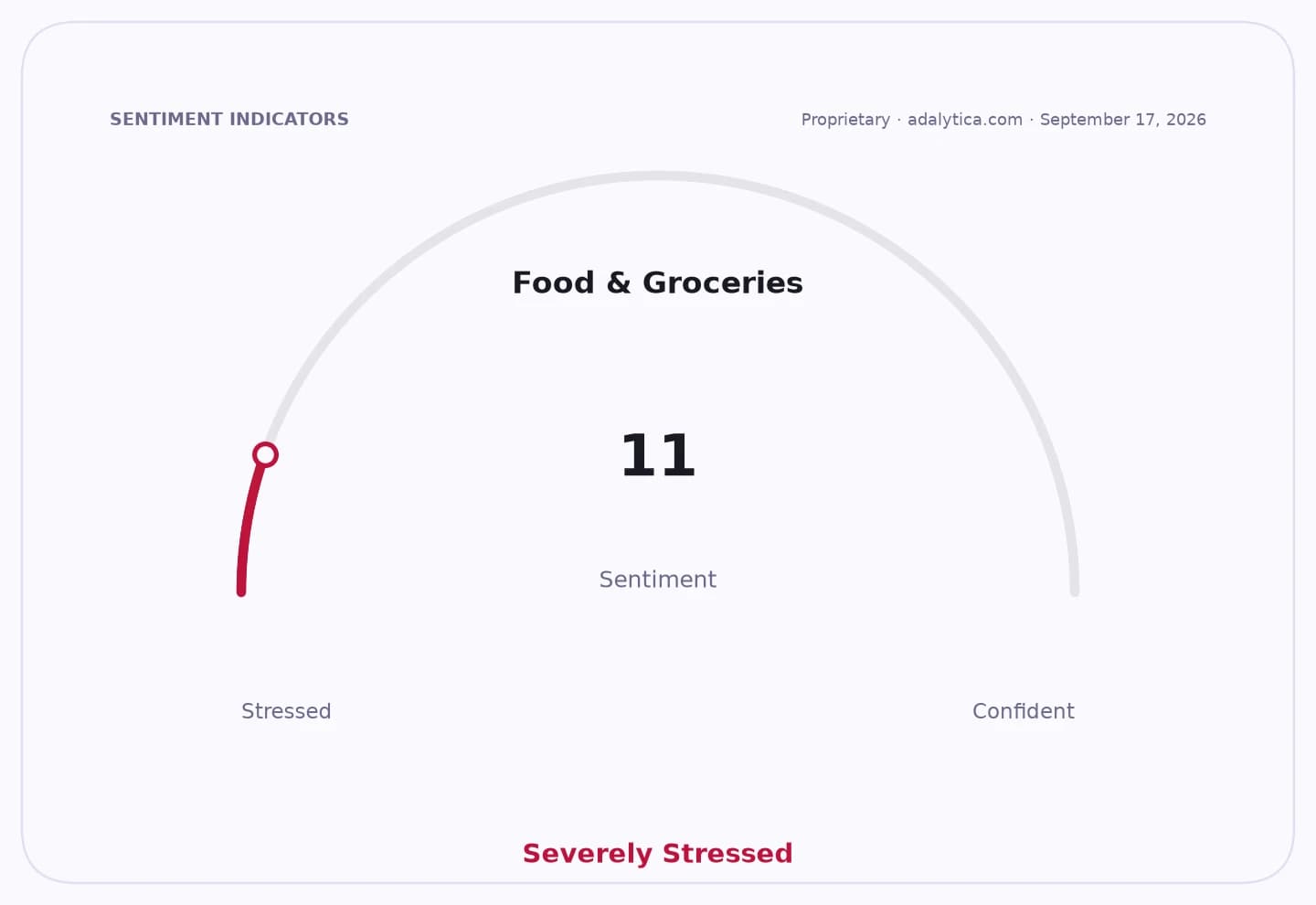
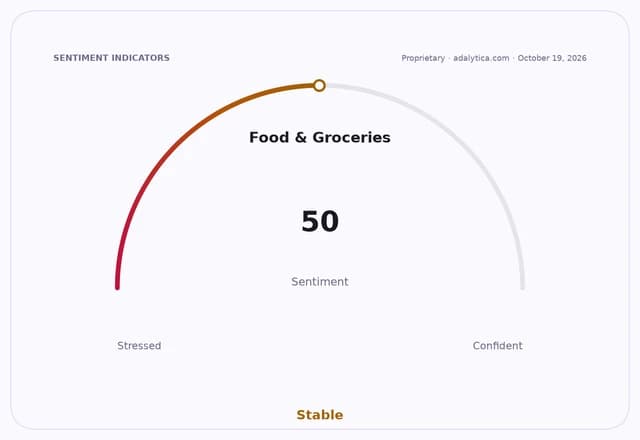
Sentiment IndicatorsⓘProprietary · adalytica.com · October 19, 2026
This is a snapshot — live sentiment, awareness and momentum for 130+ markets update continuously in the dashboard.Open AlphaPulse
Lut said Russia’s food security needs are already fully covered and that the country has a “good base” to preserve a high export potential. That is the key takeaway. A large domestic harvest gives Moscow room to keep shipping abroad without risking local supply, which usually means more pressure on global wheat prices and steadier availability for buyers that depend on Black Sea cargoes.
The crop data also shows the harvest is not just a wheat story. Russia said it has already collected about 700,000 tons of buckwheat, nearly 20% more than a year earlier, despite drought in the Altai region. And with winter sowing only about 70% complete, the next season is now the bigger question. In Russia, autumn planting sets up a large share of next year’s wheat output, so execution there will matter for 2027 supply just as much as this year’s harvest.
Markets are already trying to read that balance. Wheat prices have been more resilient than corn and soybeans, and a strong Russian crop helps explain why traders remain focused on supply-side competition rather than a simple shortage narrative. U.S.-listed Teucrium Wheat Fund shares, for example, have climbed above both their 50-day and 200-day moving averages in recent months, even as they pulled back in the latest sessions — a reminder that wheat can stay volatile even when the broad supply picture looks comfortable.
For long-term investors, the real story is not a one-day weather trade. It is that Russia continues to sit at the center of global wheat economics, and when its harvest is strong, the benefits tend to flow to importers and consumers more than to growers elsewhere. That can squeeze farm-gate pricing in competing exporters, but it also supports trading houses, logistics networks and food companies that rely on reliable, cheap grain flows. Investors should watch the pace of Russian exports, the completion of winter sowing and weather in other major producing regions. The harvest looks supportive now, but the next price shock is often a season away.
| Entity | Gains | Losses |
|---|---|---|
| Russia | ▲Higher export potential | ▼Domestic scarcity risk eases |
| Global wheat buyers | ▲Lower supply risk | ▼— |
| Competing wheat exporters | ▲— | ▼Price pressure, tougher competition |
| Grain traders and handlers | ▲Larger volumes to move | ▼Margin risk if prices weaken |