A Russian military aircraft landed at Israel’s Ben-Gurion airport on Friday, according to flight-tracking data, as Washington and Jerusalem weigh whether to restart attacks on Iran and markets brace for a wider Middle East escalation.
Russian Tu-154M Lands at Israel's Ben Gurion
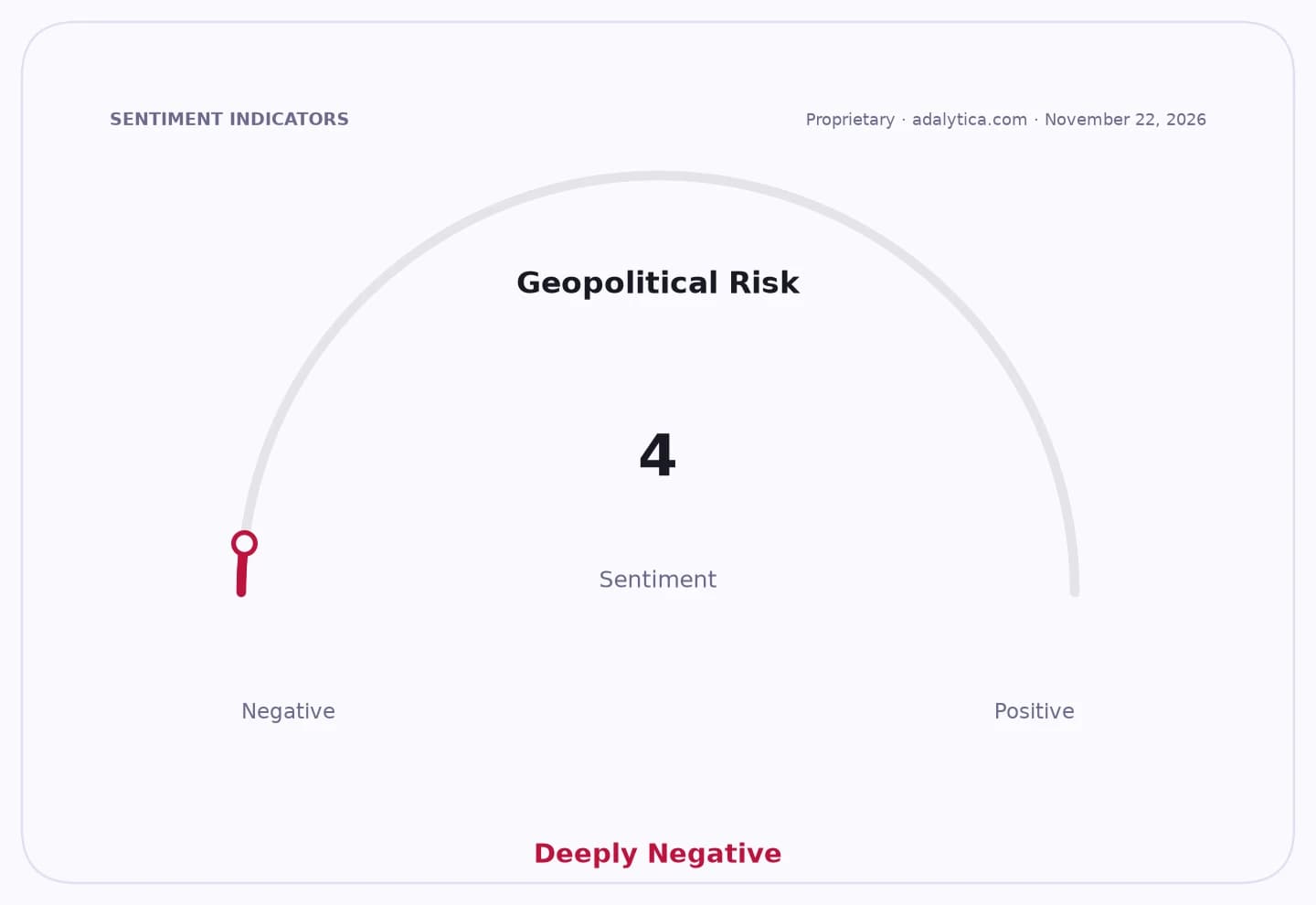
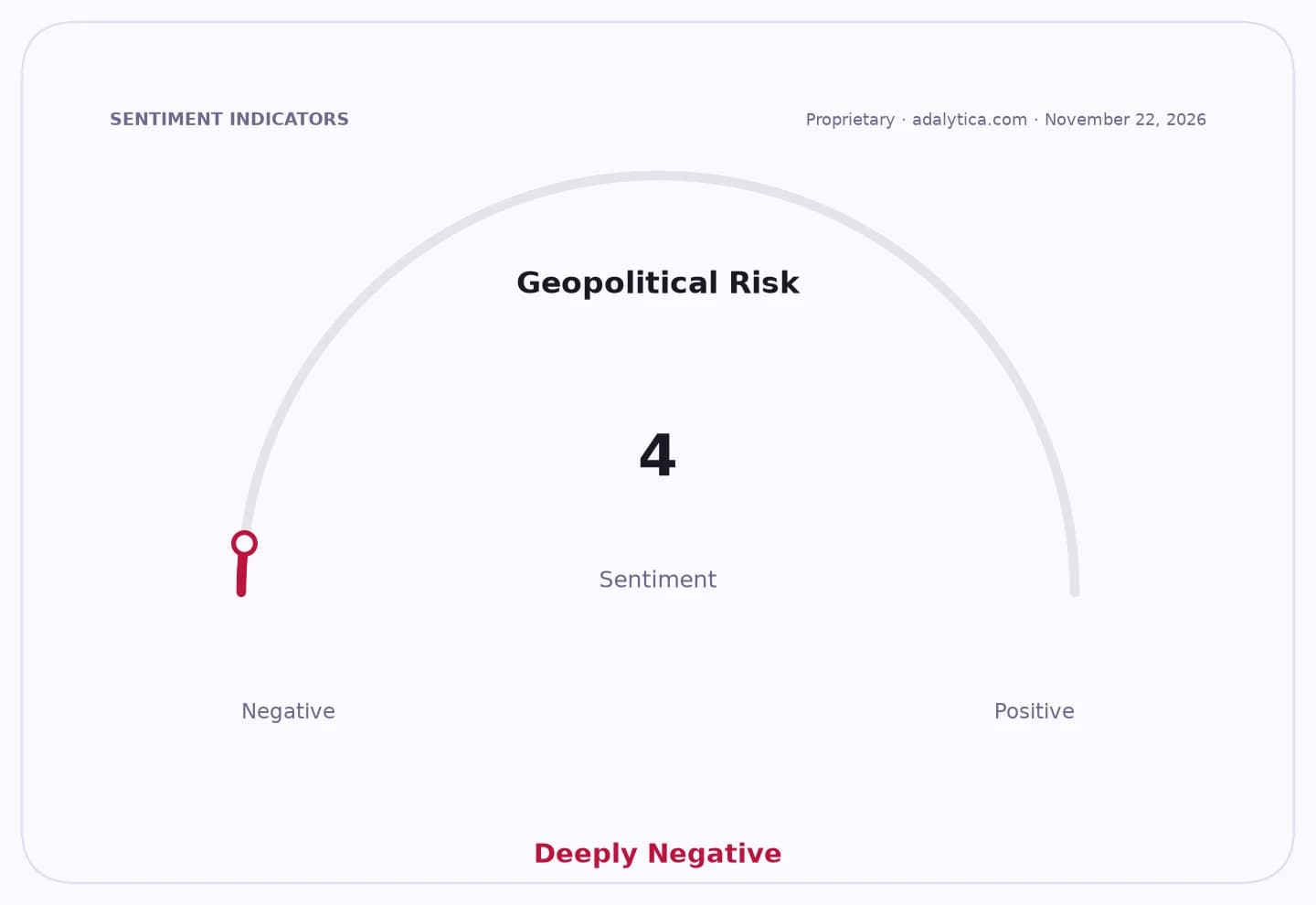
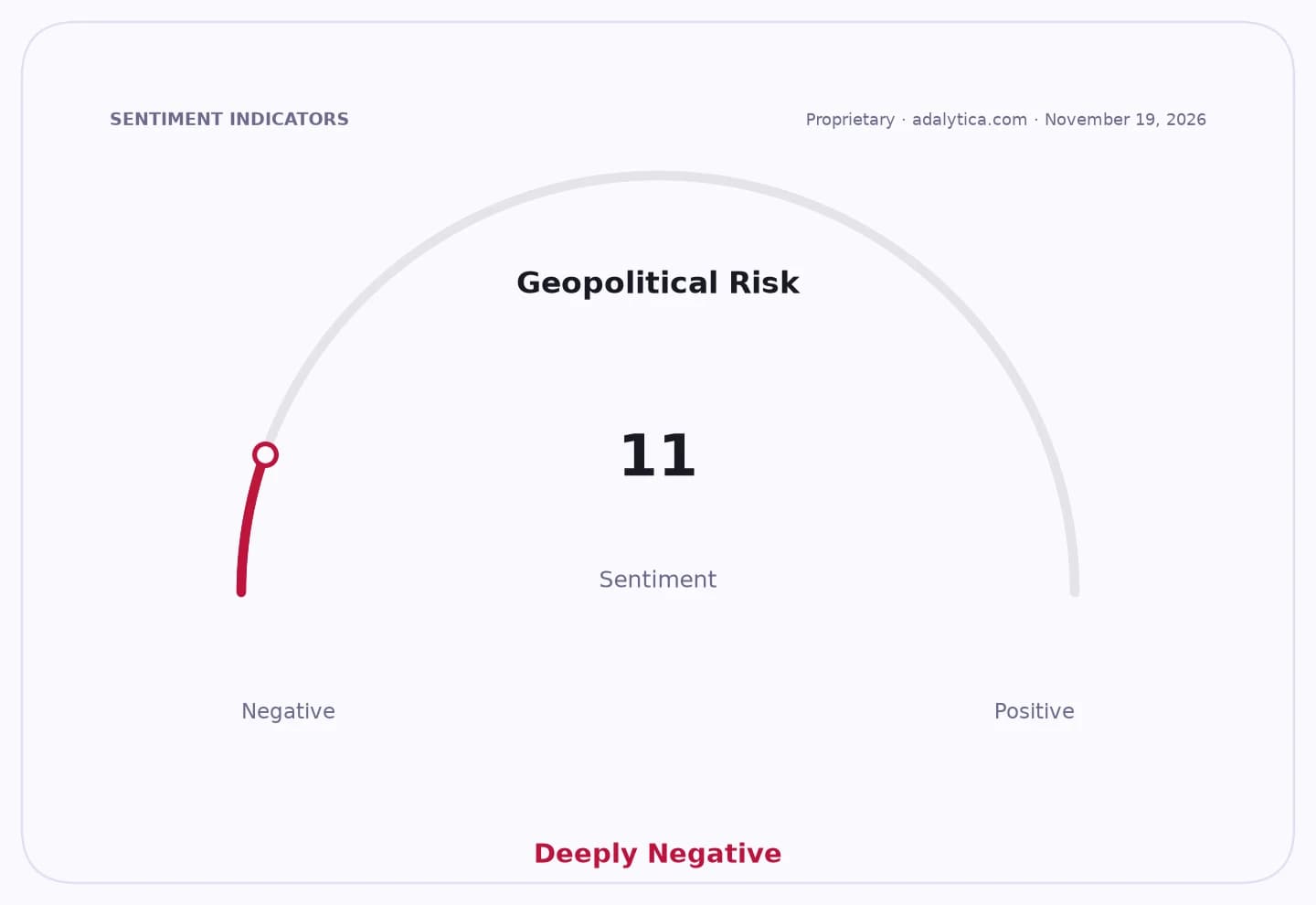
Geopolitical Risk
The arrival of a Russian Tu-154M at Israel’s main international airport adds a new layer of geopolitical complexity to an already volatile standoff. Any sign of direct military or official travel between Russia and Israel matters because Moscow has sought to preserve influence across the region while the US and Israel pressure Tehran over its nuclear and military activity.
Sentiment Indicators
FlightRadar24 data, cited by the Jerusalem Post, showed the aircraft departing Chkalovsky air base near Moscow, a Russian Defense Ministry hub used for senior transport and official missions. The plane reportedly flew over the Black Sea and Turkey before entering Israel from the Mediterranean and circling the country before landing around 7 p.m. local time on Nov. 8.
Russia’s embassy in Israel declined to comment on who was aboard or why the aircraft had traveled there, and the Israel Defense Forces also declined to respond. The lack of explanation leaves the flight open to speculation, but the timing is what matters for investors and policymakers: it comes as tensions with Iran remain elevated and diplomatic channels appear strained.
Fox News reported that US officials said President Donald Trump could order renewed strikes on Iran as soon as Nov. 9, using a moonless night to mask military activity. Iran has said it would respond by targeting US and Israeli assets, raising the risk of disruption across shipping lanes, energy infrastructure and regional airspace.
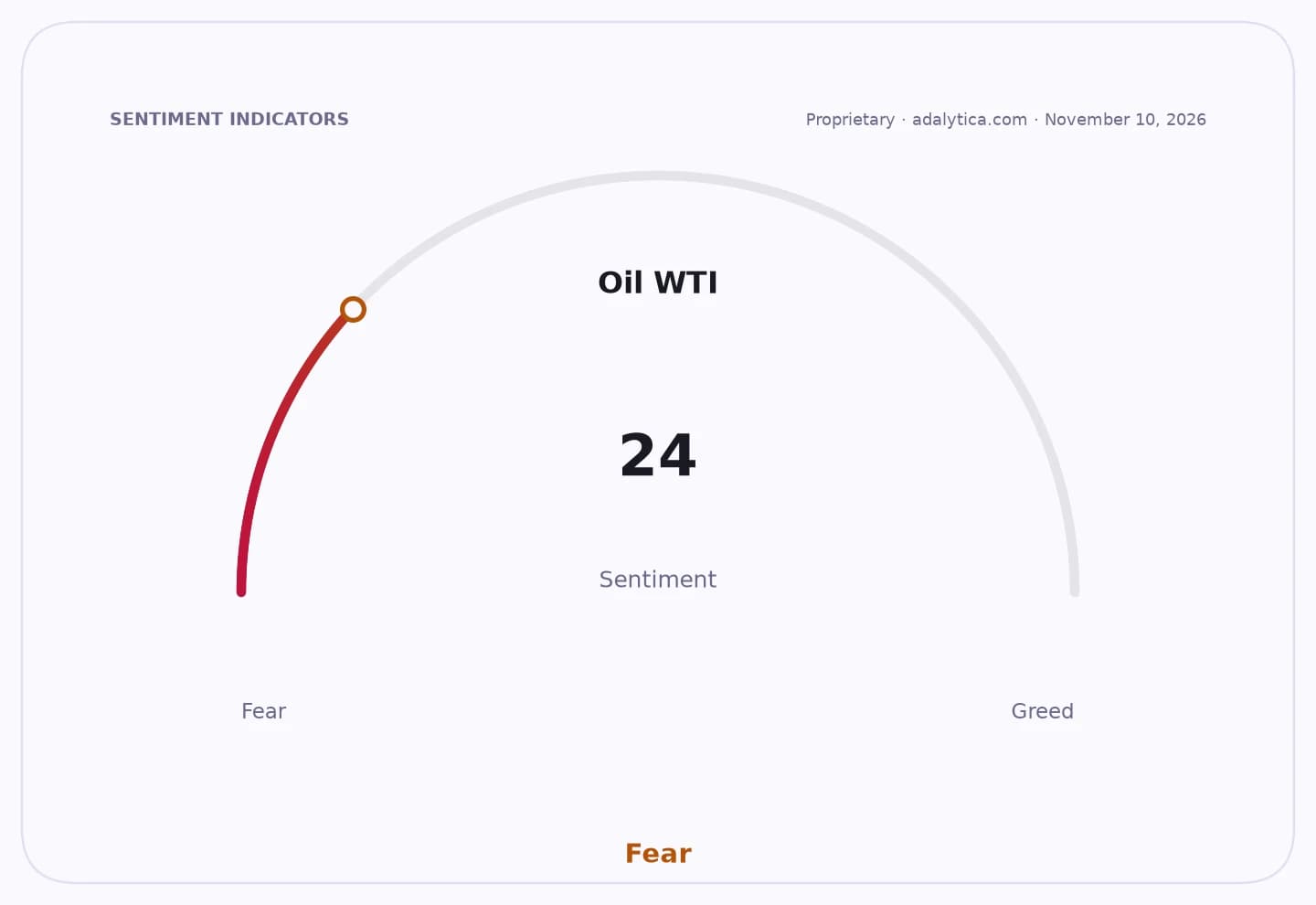
That backdrop is already feeding into market positioning. Brent-linked oil and broader risk sentiment have remained highly sensitive to headlines from the region, while gold has drawn support from demand for havens. Adalytica’s Global Stability Sentiment gauge shows “Extreme Fear,” underscoring how quickly geopolitical shocks can spill into currencies, commodities and equities.
The stakes extend beyond the immediate military calculus. With Iran and Israel locked in a prolonged confrontation and no meaningful diplomatic breakthrough in sight, any sign of new coordination, intelligence sharing or backchannel engagement involving Russia could influence the trajectory of the conflict and the market premium attached to Middle East risk in the days ahead.
| Entity | Gains | Losses |
|---|---|---|
| Russia | ▲diplomatic leverage | ▼ambiguity over mission |
| Israel | ▲possible backchannel access | ▼higher security risk |
| US/Israel hawks | ▲pressure on Iran | ▼escalation costs |
| Oil bulls | ▲higher risk premium | ▼energy consumers |