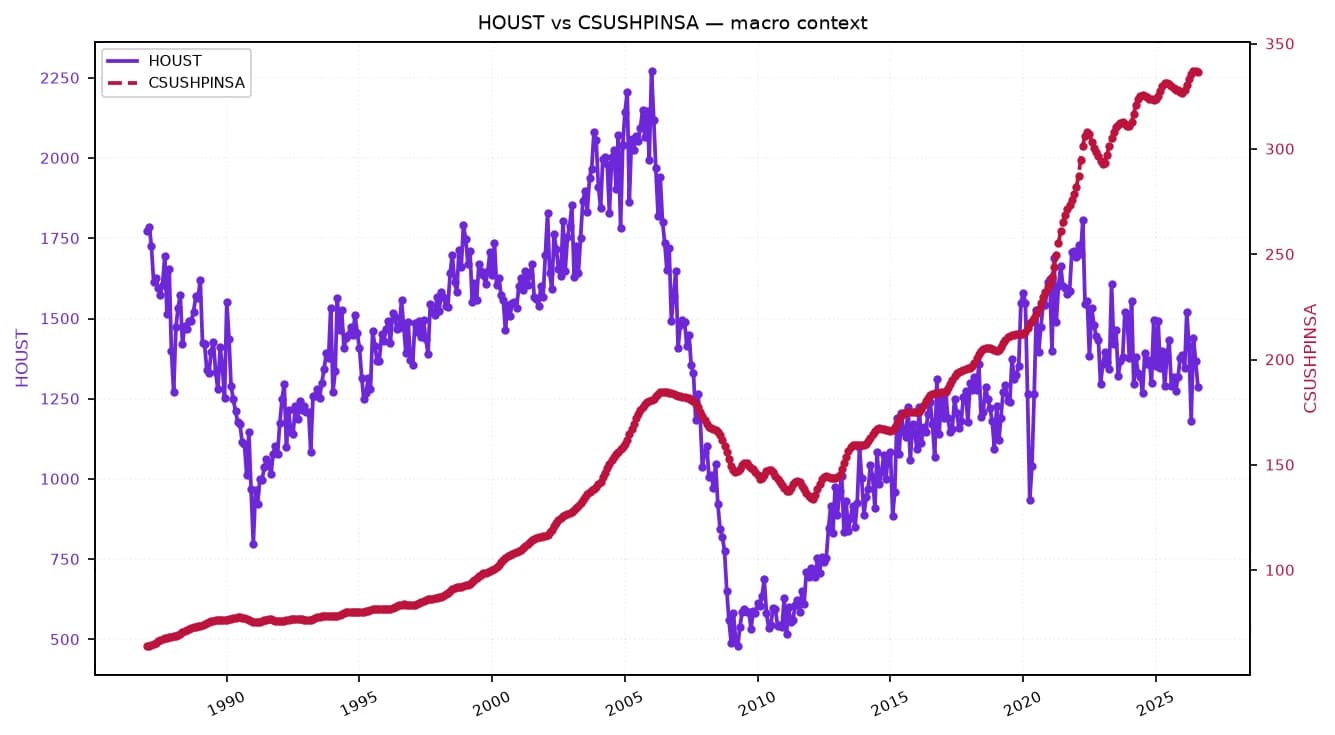
Sacramento’s Railyards is moving from vision to buildout, but the project’s biggest economic payoff — new housing — may still be years away, extending a shortage that is already supporting prices and keeping builders selective.
Sacramento Railyards Delay Extends Housing Shortage
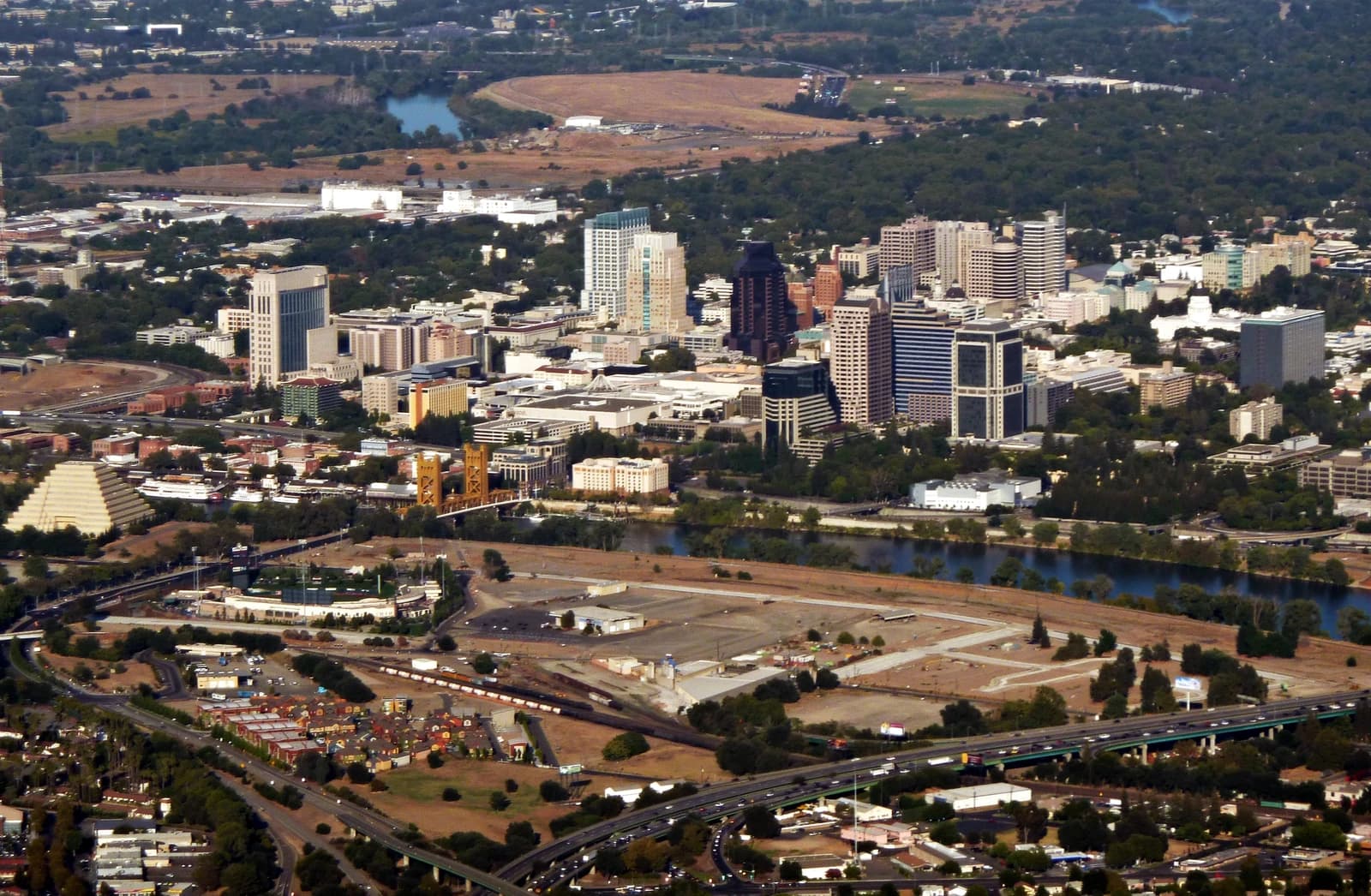
That delay matters because California housing remains chronically undersupplied, and Sacramento is no exception. The state’s home price index has climbed to 336.741 from 63.732 in 1987, underscoring how persistent supply constraints have been even after the housing cycle cooled. Sacramento’s market has been more resilient than many expected, with the index up from 323.275 in late 2024 to 336.741 in August 2026, and the latest forecast still pointing modestly higher.
Sentiment Indicators

For investors, the message is not simply that homes are being postponed. It is that scarcity is being extended in one of the West’s key growth markets, a setup that tends to favor existing owners, landlords and well-capitalized homebuilders while limiting near-term relief for buyers. Builders are still operating in a tougher environment: U.S. housing starts slipped to 1,221 in September from 1,369 in July, and the broader construction backdrop remains choppy as mortgage rates hover near 5%, keeping affordability stretched.
That helps explain why homebuilder ETFs have been volatile even as they rebound. XHB and ITB have both recovered from spring lows, but their technical patterns show a market still trading around uncertainty rather than conviction. XHB is back above its 50-day moving average, yet remains only marginally above its 200-day line, while ITB is still below its 200-day average despite a recent bounce. In other words, the trade is improving, but it is not yet a clean breakout.
The Railyards delay also reinforces a wider California theme: infrastructure and entitlement progress can create value long before large-scale housing arrives. That means the early winners are likely to be landholders, contractors, infrastructure providers and downtown employers that benefit from incremental activation of the district. The losers are would-be buyers waiting for more supply, and possibly nearby renters who will not get meaningful relief until new units actually hit the market.
My view is that investors are underestimating how powerful delayed supply can be in a market like Sacramento. When housing stays tight, the best opportunities usually sit one layer removed from the headline project — in the builders with West Coast exposure, the ETFs that track them, and the suppliers positioned for the next wave of construction once the Railyards finally moves into residential scale. Until then, scarcity remains the trade.
| Entity | Gains | Losses |
|---|---|---|
| Existing Sacramento homeowners | ▲Higher prices; stronger equity | ▼None near term |
| Landowners/developers in the Railyards | ▲More time to build value | ▼Delayed rental/sales cash flow |
| Homebuilders with West Coast exposure | ▲Tighter supply supports pricing | ▼Slower near-term unit volume |
| Buyers/renters in Sacramento | ▲None | ▼Prolonged affordability pressure |