Samsung Electronics is lifting prices on some chips by as much as 15% as surging demand for artificial intelligence hardware overwhelms supply-chain headwinds from Trump-era tariffs and keeps pricing power firmly in the hands of chipmakers.
Samsung Raises Chip Prices on AI Demand

The move shows that AI demand is still doing more to set memory and semiconductor pricing than trade policy, a sign that the industry’s investment cycle remains intact even as tariffs add cost pressure across global electronics supply chains. For investors, that means pricing, not just volume, is becoming the key driver of earnings leverage across the chip complex.
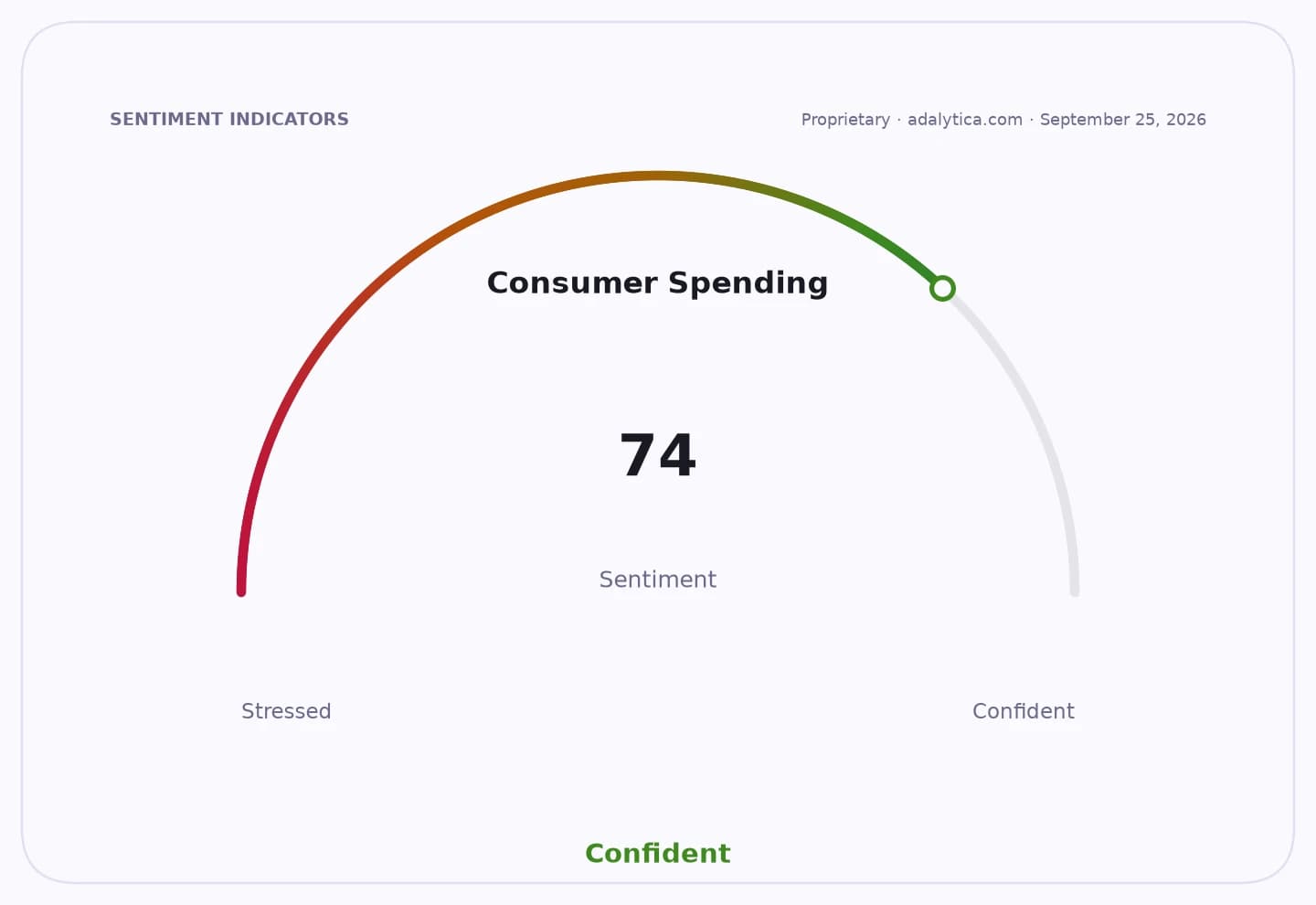
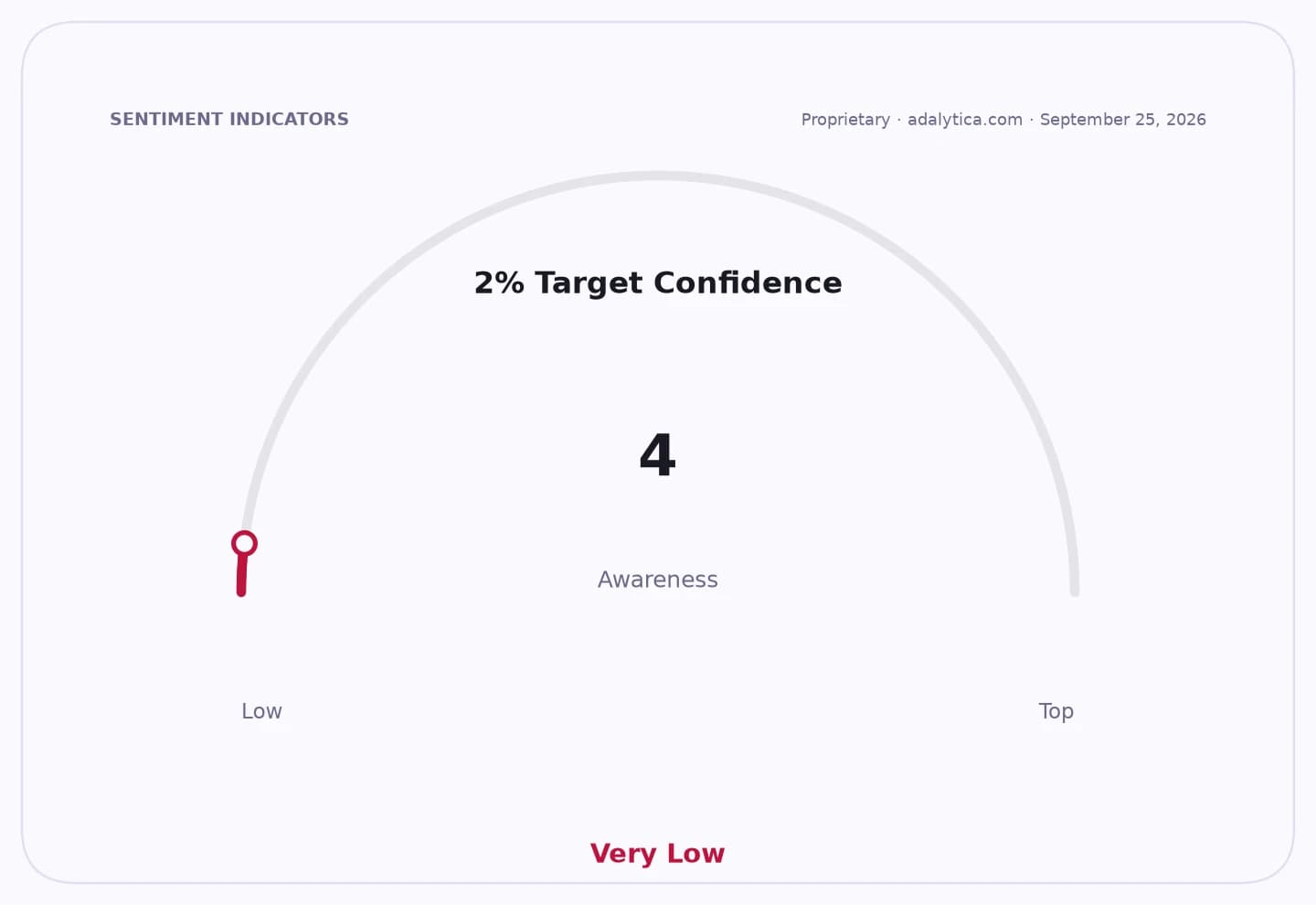
Sentiment IndicatorsⓘProprietary · adalytica.com · August 19, 2026
This is a snapshot — live sentiment, awareness and momentum for 130+ markets update continuously in the dashboard.Open AlphaPulse
The higher prices come as AI infrastructure spending continues to spill beyond Nvidia’s flagship accelerators into the memory, foundry and component suppliers that feed data-center buildouts. Nvidia’s Blackwell AI chips, priced at roughly $30,000 to $40,000, have become a benchmark for the scale of spending flowing into the sector, and Samsung’s decision suggests customers are still willing to absorb higher input costs to secure supply.
That dynamic matters economically because semiconductors sit at the center of manufacturing, cloud computing and consumer electronics. If AI-related orders keep tightening capacity, chipmakers can defend margins even in the face of tariffs, while downstream buyers — from server builders to device makers — face fatter bills and less room to pass on costs.
The market backdrop also reflects a still-demanding environment for risk assets. Adalytica’s S&P 500 trade-signal snapshot shows sentiment at 18, labeled fear, while U.S. Treasury bond sentiment is also in extreme fear territory, underscoring a more cautious tone even as chip stocks have remained a focal point for AI investors.
Nvidia shares closed at $219.22 on Aug. 19, well above their 50-day moving average of about $207, while Taiwan Semiconductor Manufacturing ended at $412.12, just below its 50-day average near $424.5. The stocks remain tied to the same AI spending wave that is allowing suppliers such as Samsung to push through higher pricing.
For investors, the key question now is whether AI demand stays strong enough to offset tariff drag and broader macro softness. If it does, chipmakers with pricing power should continue to outperform; if not, the higher prices could eventually test customer budgets and slow the next leg of the AI buildout.
| Entity | Gains | Losses |
|---|---|---|
| Samsung Electronics | ▲Higher chip pricing, margin support | ▼Tariff-related cost pressure |
| AI chip suppliers | ▲Stronger pricing power | ▼Buyers facing higher procurement costs |
| Server/data-center customers | ▲Secured supply | ▼Higher hardware and capex bills |
| Nvidia/TSMC peers | ▲Validation of AI demand | ▼Risk of valuation swings if demand cools |