Samsung Electronics is widening access to its Galaxy AI suite and Bixby voice assistant, adding new languages in a move that could help the Korean device maker deepen engagement in overseas markets and make its AI features more useful to a broader user base.
Samsung Adds More Languages to Galaxy AI and Bixby
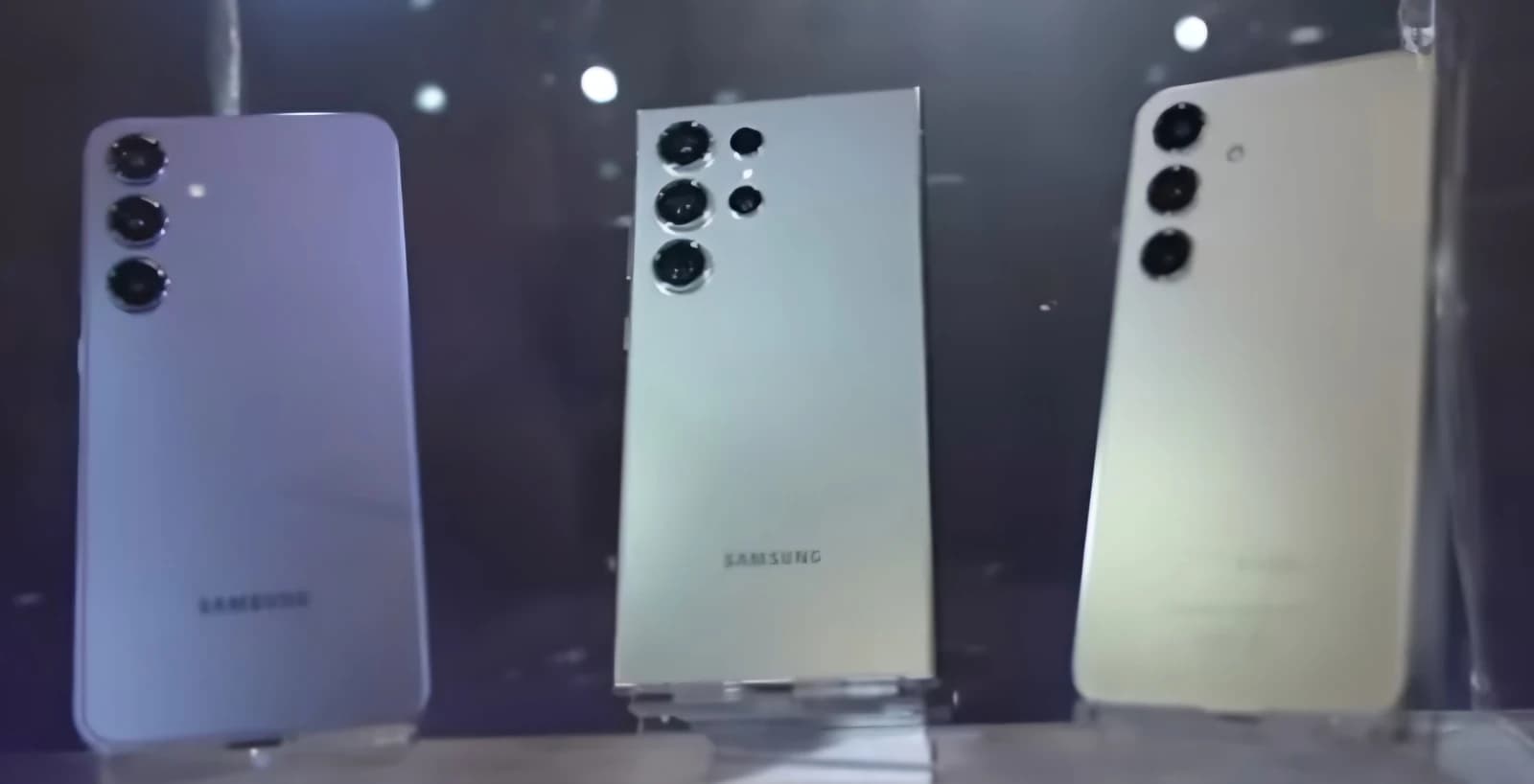
Galaxy AI now supports 24 languages after the addition of Hungarian and Malay, while Bixby expands to 12 languages with Polish, Thai and Vietnamese added. The rollout begins Oct. 14 for Bixby, with Galaxy AI language packs coming over the next few weeks, Samsung said.
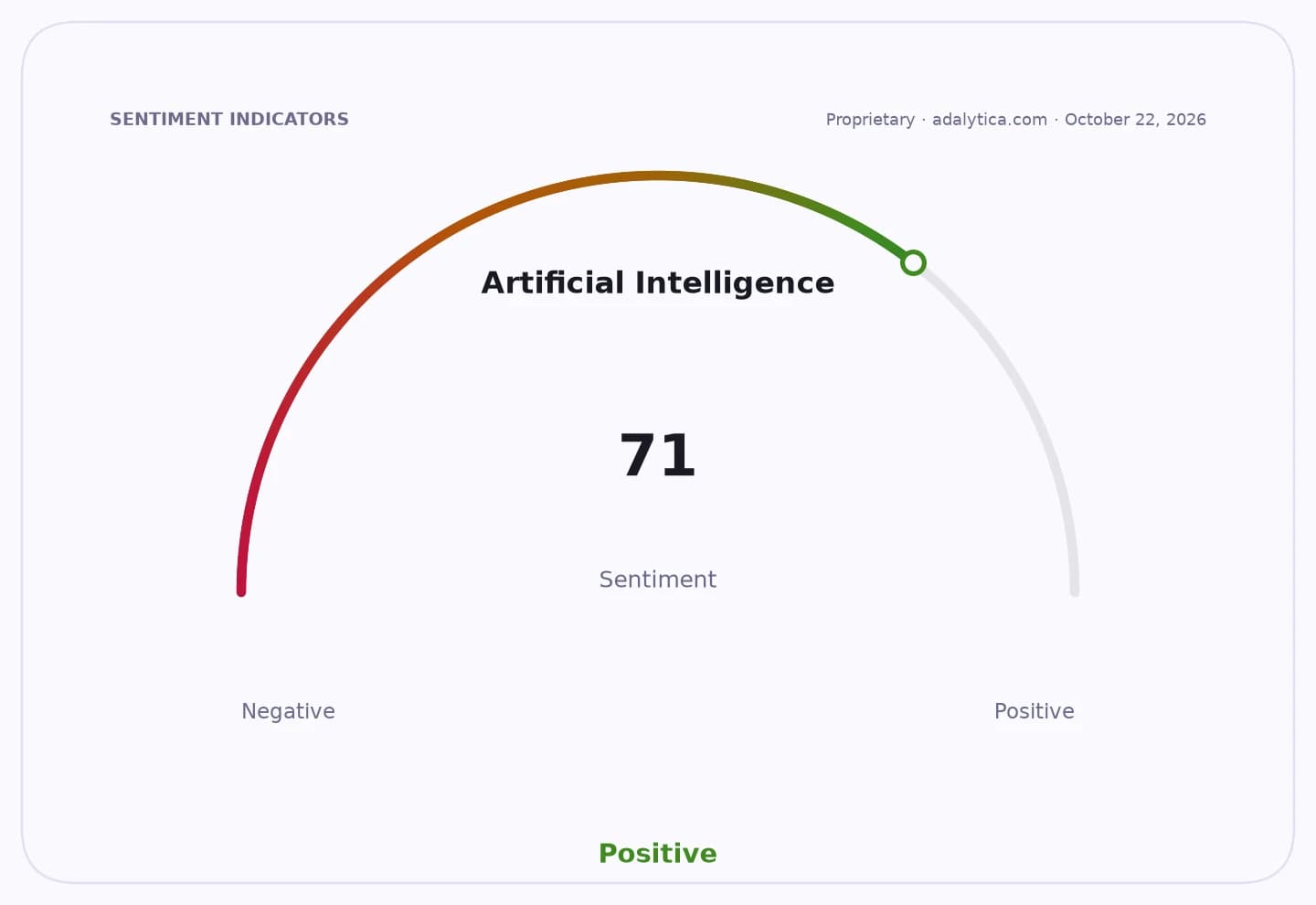
Sentiment IndicatorsⓘProprietary · adalytica.com · October 20, 2026
This is a snapshot — live sentiment, awareness and momentum for 130+ markets update continuously in the dashboard.Open AlphaPulse
The expansion matters because language coverage is a key limiter for consumer AI adoption on smartphones. Features such as real-time translation, call assistance, note assistance and transcription are only valuable if users can interact with them naturally, and Samsung is trying to reduce one of the biggest barriers to everyday use.
For investors, the language push is less about immediate revenue than about stickiness. Samsung’s Galaxy AI has become a core selling point for premium phones, and broader localization can support handset demand, improve ecosystem retention and help Samsung compete more directly with Apple and Alphabet-backed Android rivals in markets where local-language support can sway buying decisions.
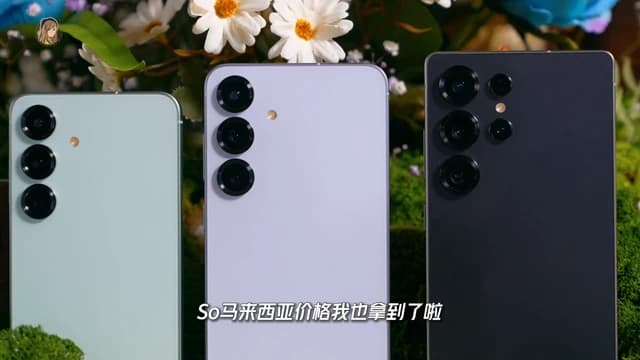
The update also underscores how smartphone makers are racing to turn AI into a platform feature rather than a demo. Samsung’s Galaxy AI now covers 24 languages for translation and related tools, while its “Now Nudge” feature also reaches 24 languages. Bixby, Samsung’s device assistant, is now available in 12 languages, though the company said availability and performance still vary by country, device and accent.
Samsung shares in Seoul have been under pressure recently, with the stock closing at 211,500 won on Oct. 20, well below its 50-day moving average of 255,840 won and 200-day moving average of 232,901.9 won. The weak technical setup suggests investors remain cautious despite the company’s AI feature rollout, with the next read on sentiment likely to come from handset demand, software monetization and broader AI product updates.
| Entity | Gains | Losses |
|---|---|---|
| Samsung Electronics | ▲Wider AI adoption | ▼Localization costs |
| Galaxy smartphone users | ▲More native-language tools | ▼Limited feature gaps remain |
| Apple and Android rivals | ▲— | ▼Samsung gets feature parity edge |
| Language-limited markets | ▲Better access to AI features | ▼Less need to switch ecosystems |