Saudi Aramco is overwhelmingly controlled by the Saudi state, and that ownership structure is the real story for investors: it ties the world’s largest oil company directly to one of the most powerful commodity-driven governments on the planet.
Saudi Aramco State Ownership Shapes Investor Case

The company’s parent, Saudi Arabian Oil Co., is majority-owned by the Government of Saudi Arabia, which holds more than 98% of the shares, according to the information provided. A small slice — roughly 1.5% to 2% — was sold to public investors on the Tadawul exchange in 2019, but the kingdom remains firmly in charge. Crown Prince Mohammed bin Salman manages that stake through the Public Investment Fund, giving the state not just control, but strategic flexibility over an asset that generated $461.56 billion in trailing-12-month revenue, according to Investopedia data cited in the source material.
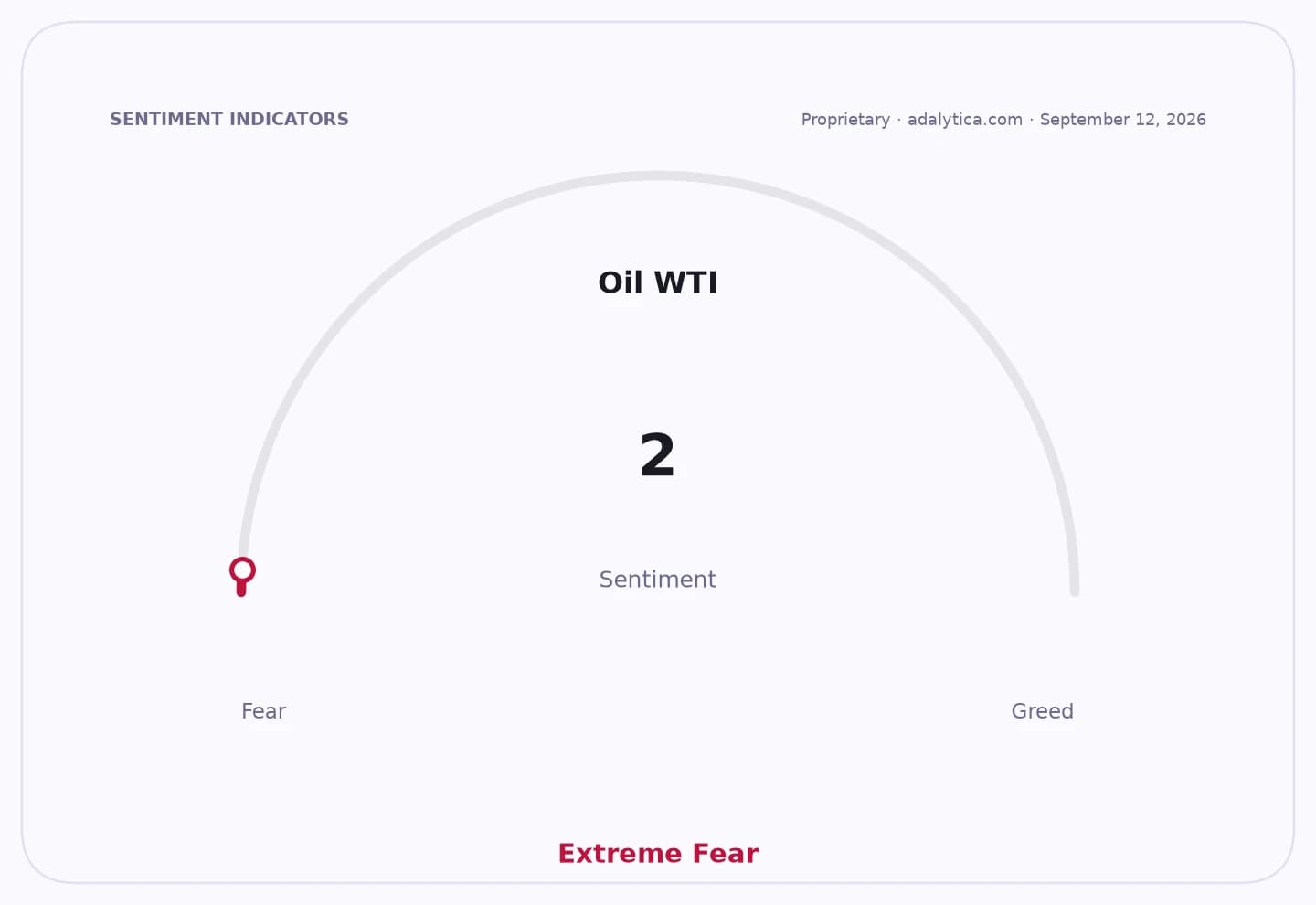
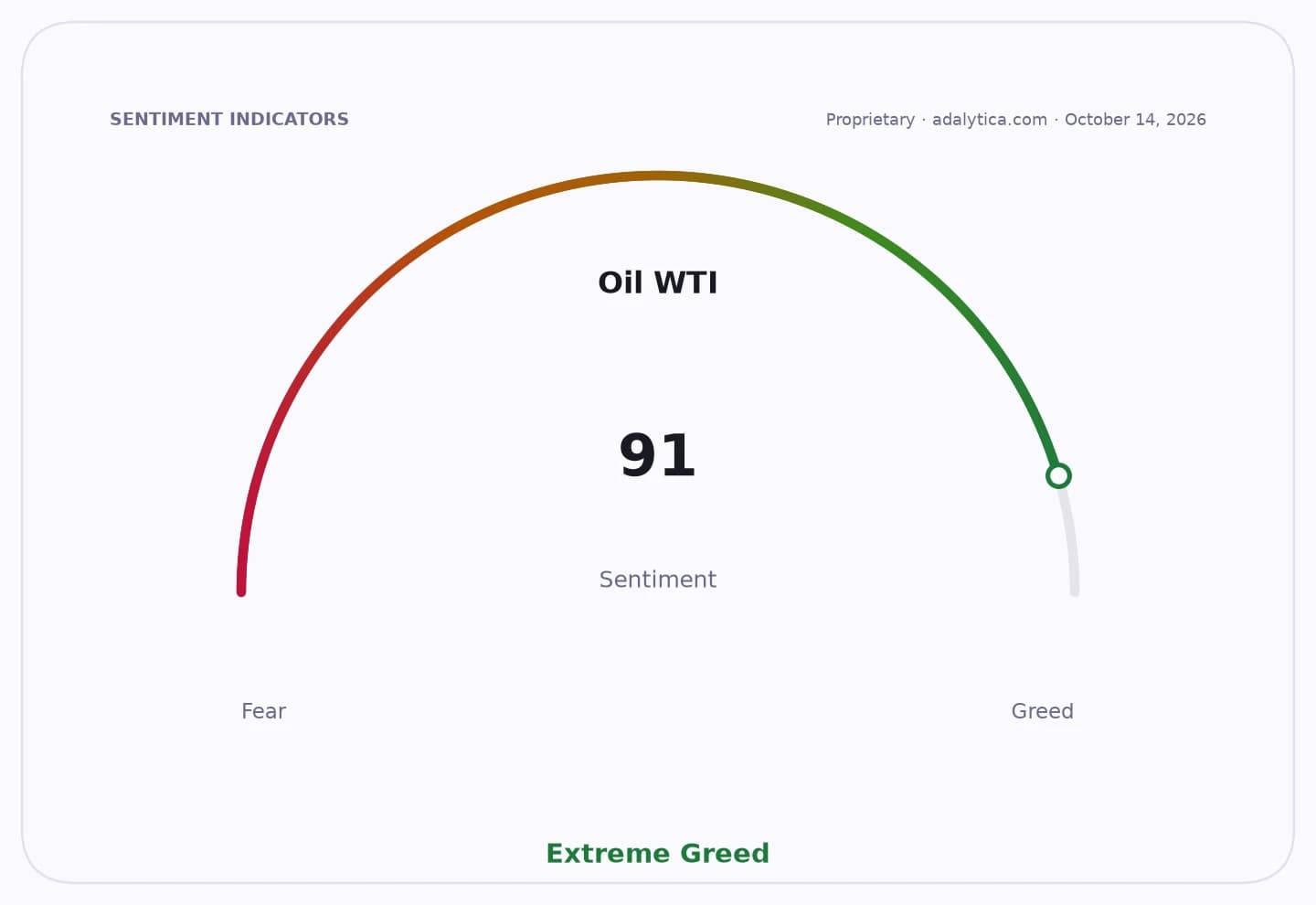
Sentiment IndicatorsⓘProprietary · adalytica.com · October 13, 2026
This is a snapshot — live sentiment, awareness and momentum for 130+ markets update continuously in the dashboard.Open AlphaPulse

That matters because Aramco is not just another listed energy stock. It is a national balance-sheet engine. When oil prices rise, as they have broadly over recent periods in the context provided, the company’s cash flow strengthens, the Saudi government’s fiscal room improves and investors in the small public float get exposure to one of the most leveraged ways to play crude. When oil softens, the reverse happens. That state linkage makes Aramco less about shareholder activism and more about sovereign policy, capital discipline and dividend durability.
The broader oil backdrop helps explain why investors keep a close eye on Aramco even though the government owns the overwhelming majority. West Texas Intermediate has recently been near the mid-$90s a barrel in the data provided, while the U.S. Oil Fund has surged to the $150s, underscoring how sensitive the sector remains to supply shocks, geopolitics and inflation. Energy equities, including the U.S. Energy Select Sector SPDR Fund, have also been strong, with XLE pushing to fresh highs and trading above both its 50-day and 200-day moving averages in the supplied price data. In other words, the market is still paying up for oil exposure, and Aramco sits at the center of that trade.
Oil WTI vs 2222.SRadalytica.com
Explore this data interactively — full history, time series and cross-market comparisons.Open AlphaPulse

For long-term investors, the key takeaway is simple: Aramco’s ownership tells you almost everything you need to know about how the business is run and why it behaves differently from Western oil majors. This is a company designed first to support Saudi national interests and only second to serve minority shareholders. That doesn’t make it unattractive — in fact, the scale, cash generation and energy-market leverage can be compelling — but it does mean investors should treat it as a sovereign-aligned asset, not a conventional consumer-style public company.
If you are building a portfolio for the next 3 to 10 years, Aramco is worth watching as a barometer for global oil profits, Saudi policy and dividend resilience. The stock’s appeal will likely rise and fall with crude prices, but the ownership story is what defines the investment case.
| Entity | Gains | Losses |
|---|---|---|
| Saudi government/PIF | ▲Control over a cash engine | ▼Less minority-shareholder pressure |
| Public Aramco holders | ▲Exposure to oil cash flows | ▼Limited governance influence |
| Energy investors | ▲Leverage to high crude prices | ▼Downside if oil retreats |
| Western oil majors | ▲Sector tailwinds from firm prices | ▼Competition for capital attention |