Sberbank’s clarification that services for Visa-linked foreign-currency cards are being suspended underscores how Russia’s biggest lender remains constrained by sanctions-era payment fragmentation, even as domestic card use continues to adapt.
Sberbank Further Restricts Visa Foreign-Currency Cards
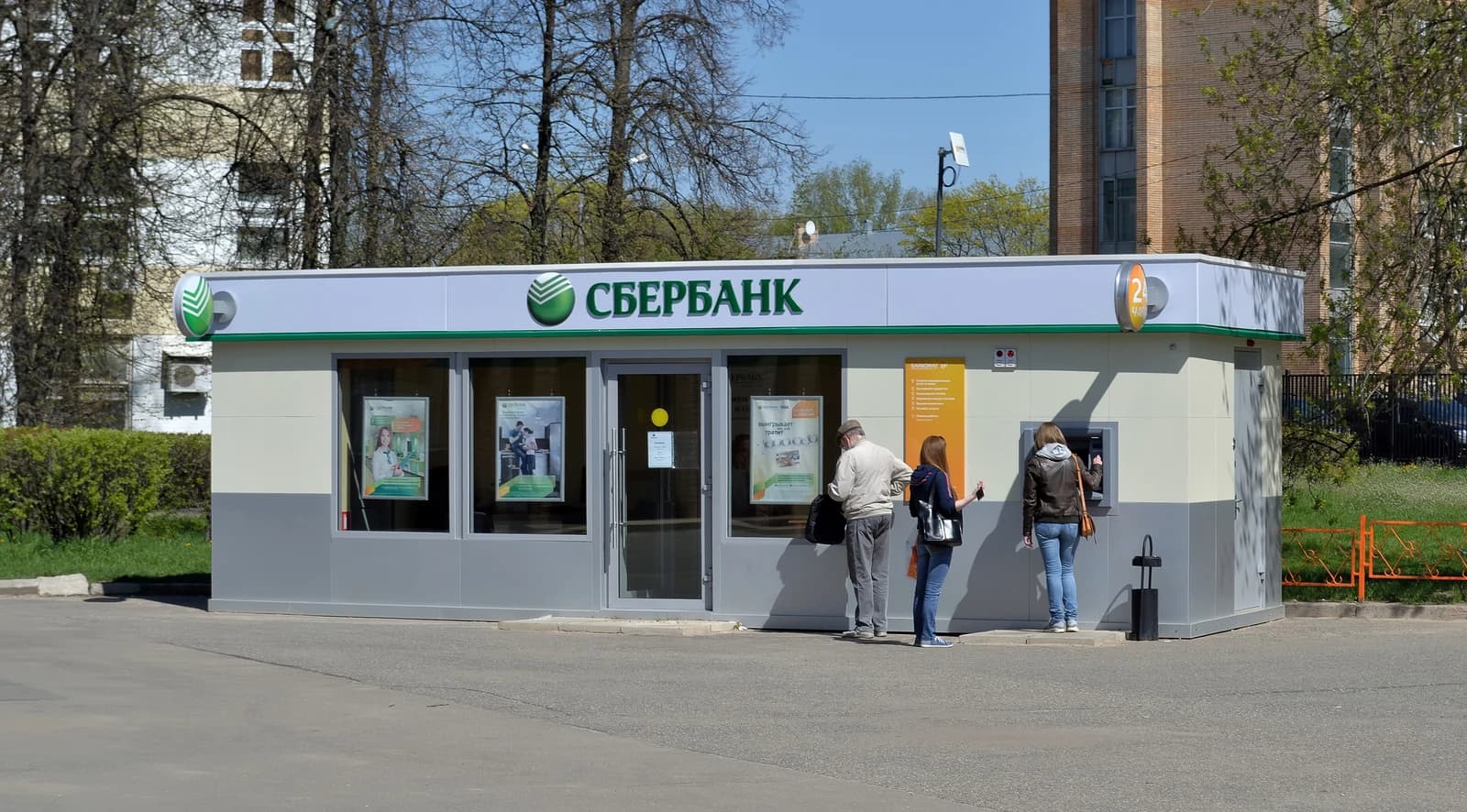
The immediate economic significance is less about one bank’s customer service notice than about the persistence of a two-track payments system in Russia. Visa and Mastercard stopped processing in the country after the invasion of Ukraine, but many cards issued before that shift were kept alive domestically through the local Mir system and other workarounds. A clarification from Sberbank, Russia’s dominant retail bank, signals that the remaining overlap between foreign payment rails and domestic banking is narrowing further, limiting consumers’ access to cross-border card functionality and reinforcing the isolation of Russia’s financial plumbing.
For households and businesses, the practical effect is a further reduction in payment flexibility for foreign-currency transactions, overseas purchases and travel-related spending. That matters because it raises transaction friction, encourages the use of alternative channels and can increase demand for cash, stablecoins or intermediary payment routes where available. For Sberbank, the move may reduce operational ambiguity and compliance risk, but it also highlights how little room Russia’s banks have to restore international payment connectivity absent a broader geopolitical thaw.
The market relevance is mostly indirect. Sberbank remains a bellwether for Russia’s domestic financial system, and any sign that payment rails are tightening rather than normalizing reinforces the case that banks will continue to operate within a closed-loop ecosystem. That can support domestic deposits and transaction volumes inside Russia, but it also caps the upside from cross-border services, international fee income and client retention among higher-value customers with foreign-currency needs.
The broader narrative is one of financial decoupling. As sanctions bite and payment networks remain severed, Russia’s banks have been forced to lean harder on domestic infrastructure, local card schemes and administrative fixes. The result is a more insulated banking model that can function day to day, but with fewer links to global commerce. Investors watching Sberbank and the wider Russian financial sector should see the clarification as another reminder that sanctions risk is not a one-off event but an ongoing operating constraint.
What matters next is whether the change is only a technical clean-up or part of a wider tightening across banks and payment products. If similar suspensions spread, it would further entrench the domestic-only nature of Russia’s payments market. If not, Sberbank’s move may simply reflect an effort to formalize what sanctions have already made unavoidable.
| Entity | Gains | Losses |
|---|---|---|
| Sberbank | ▲clearer compliance posture | ▼foreign-currency card flexibility |
| Russian payment system | ▲domestic usage support | ▼global connectivity |
| Consumers with foreign needs | ▲local card continuity | ▼overseas payment access |
| Visa-linked cardholders | ▲limited domestic functionality | ▼cross-border convenience |