San Diego Gas & Electric is facing fresh scrutiny after an outage on one of its distribution lines occurred two minutes before the Norte fire ignited in San Clemente, a timing that could prove economically significant for Sempra and California’s utility sector if investigators conclude the equipment played a role.
Sempra faces scrutiny after SDG&E outage near Norte fire
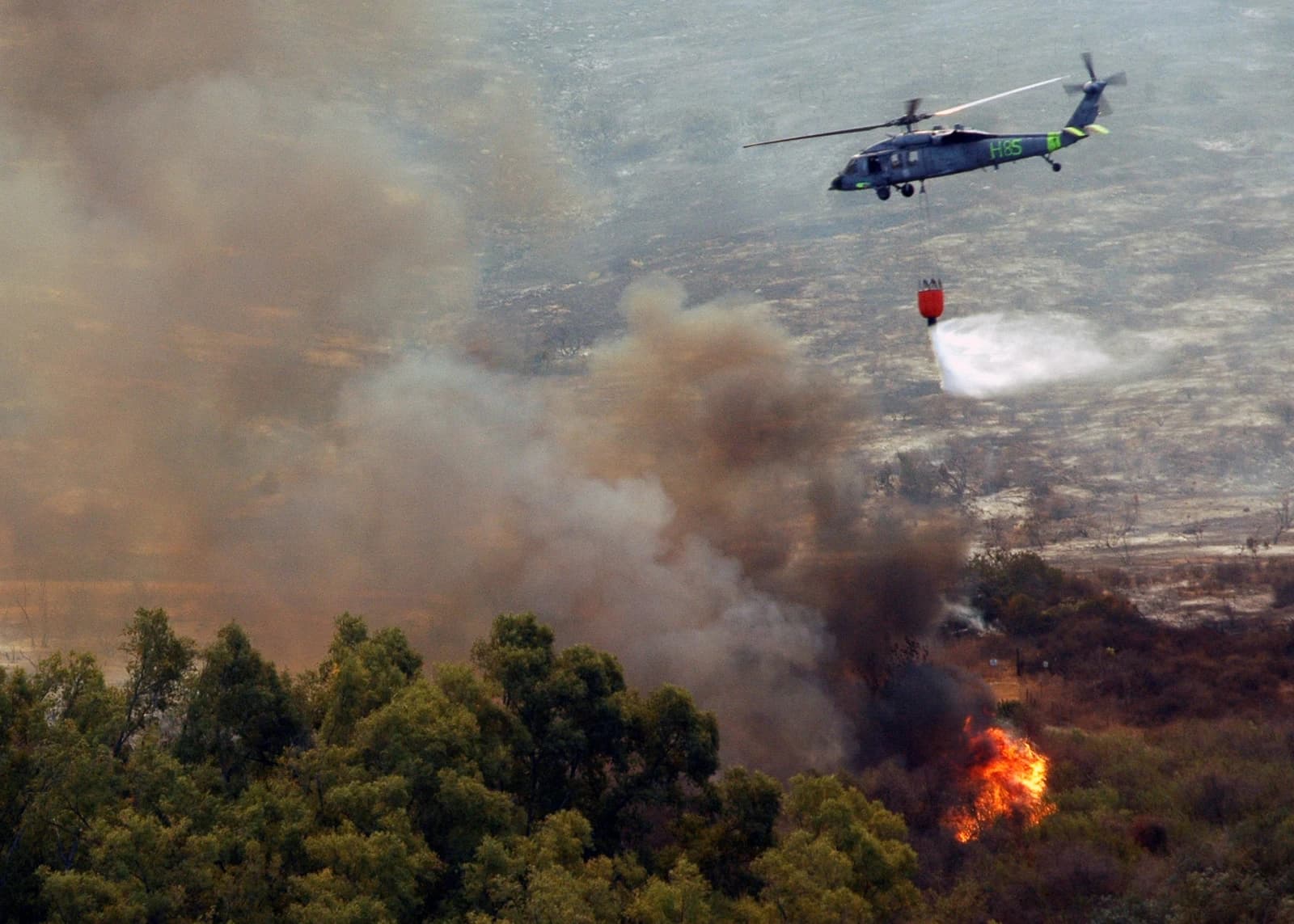
The utility confirmed an outage on Saturday but did not provide details on the circuit or exact location. An online post on its website, captured in a screen grab, showed distribution line Circuit 197 went out at 11:31 a.m. near the ignition point, while the Orange County Fire Authority said the blaze was first reported at 11:33 a.m. The outage affected 496 customers and came as strong winds drove the fire through a densely populated area, damaging or destroying at least six homes and forcing thousands to evacuate.
For investors, the key issue is not just whether the fire ultimately proves utility-caused, but what another potential ignition could mean for an industry already priced around wildfire risk. California electric utilities have spent years hardening grids, tightening vegetation management and leaning on public safety power shutoffs, yet they remain exposed to headline risk, litigation and regulatory scrutiny whenever a blaze appears near company equipment. That exposure can quickly feed into earnings volatility, bond spreads and valuation discounts, particularly for utilities that operate in fire-prone regions.
The official cause remains under investigation, and SDG&E has not said the outage was linked to the fire. Still, the timing is close enough to revive the same questions that have haunted California utilities since prior wildfire disasters: whether equipment failures can be prevented, whether insurers and wildfire funds will absorb losses, and how much residual liability remains on utility balance sheets. The issue matters because even when costs are partially recoverable, the process can be slow and uncertain, tying up cash flow and increasing financing pressure.
Sempra shares have traded with the broader utility sector, but wildfire headlines can quickly overwhelm fundamentals. PCG and ATO, other California utility names in the broader risk set, also highlight how investors continue to focus on balance-sheet protection and regulatory backstops rather than just rate-base growth. The market reaction to a confirmed ignition would likely hinge on the scale of damage, the findings of investigators and whether claims fall within the protections of California’s wildfire framework.
The broader narrative is familiar: as climate-driven fire conditions intensify, utilities are being forced to choose between reliability and safety, while investors are left to price a recurring tail risk that can surface with little warning. If the Norte fire is ultimately tied to SDG&E equipment, it would reinforce the view that wildfire liability remains one of the most important unresolved risks in regulated power.
| Entity | Gains | Losses |
|---|---|---|
| Investigators / regulators | ▲More evidence to assess | ▼Less ambiguity |
| Plaintiffs / wildfire attorneys | ▲Stronger liability case | ▼If no linkage is found |
| SDG&E / Sempra | ▲Safety if outage unrelated | ▼If equipment caused ignition |
| Utility investors | ▲Clarity on risk exposure | ▼Fresh liability overhang |