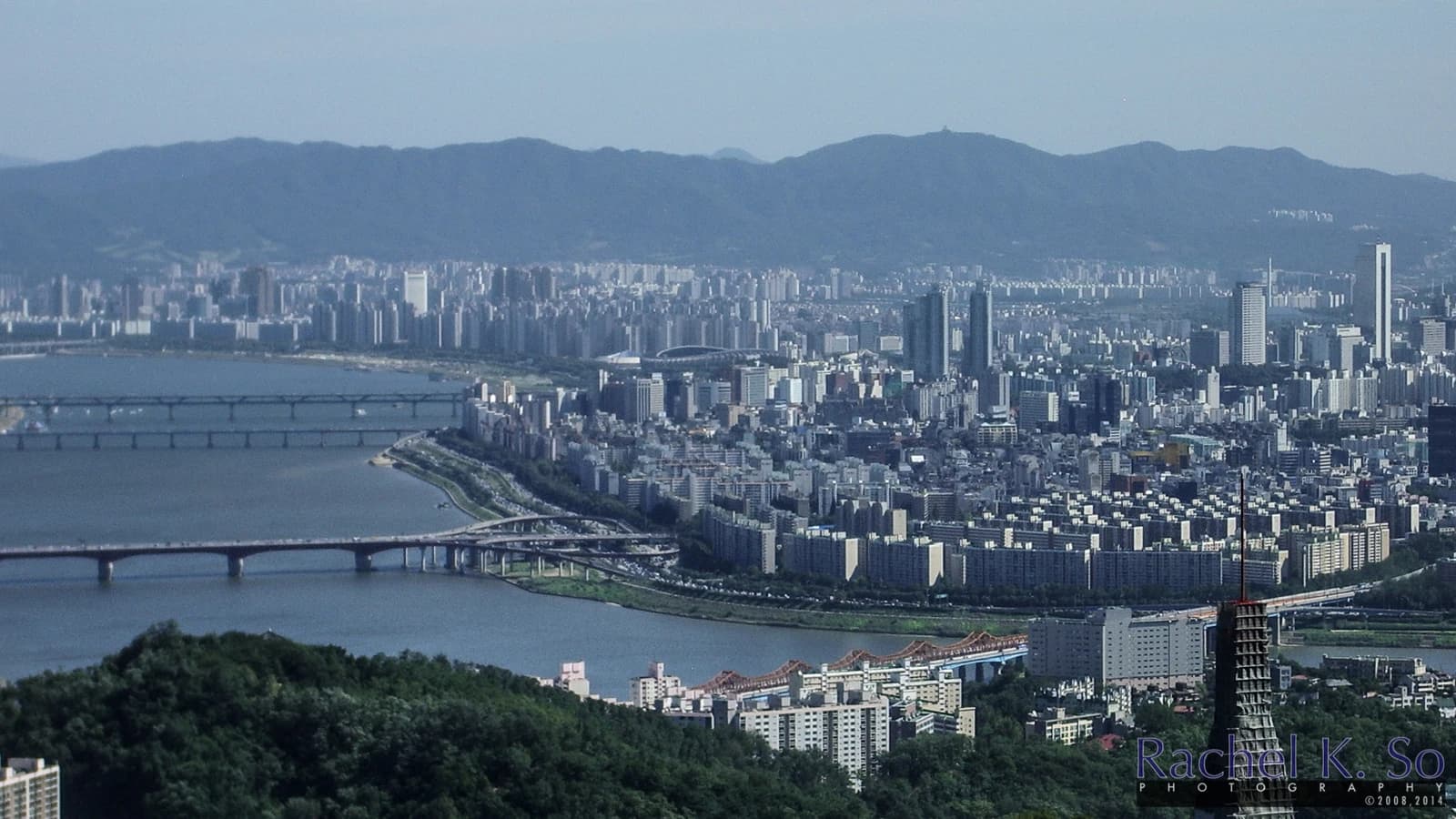
Housing prices in Seoul may still be rising for an 86th straight week, but South Korea’s land minister is now betting that the pace of gains will ease by the end of the year as policymakers weigh whether to extend or broaden curbs on speculation in the capital.
Seoul Housing Prices Rise for 86th Straight Week
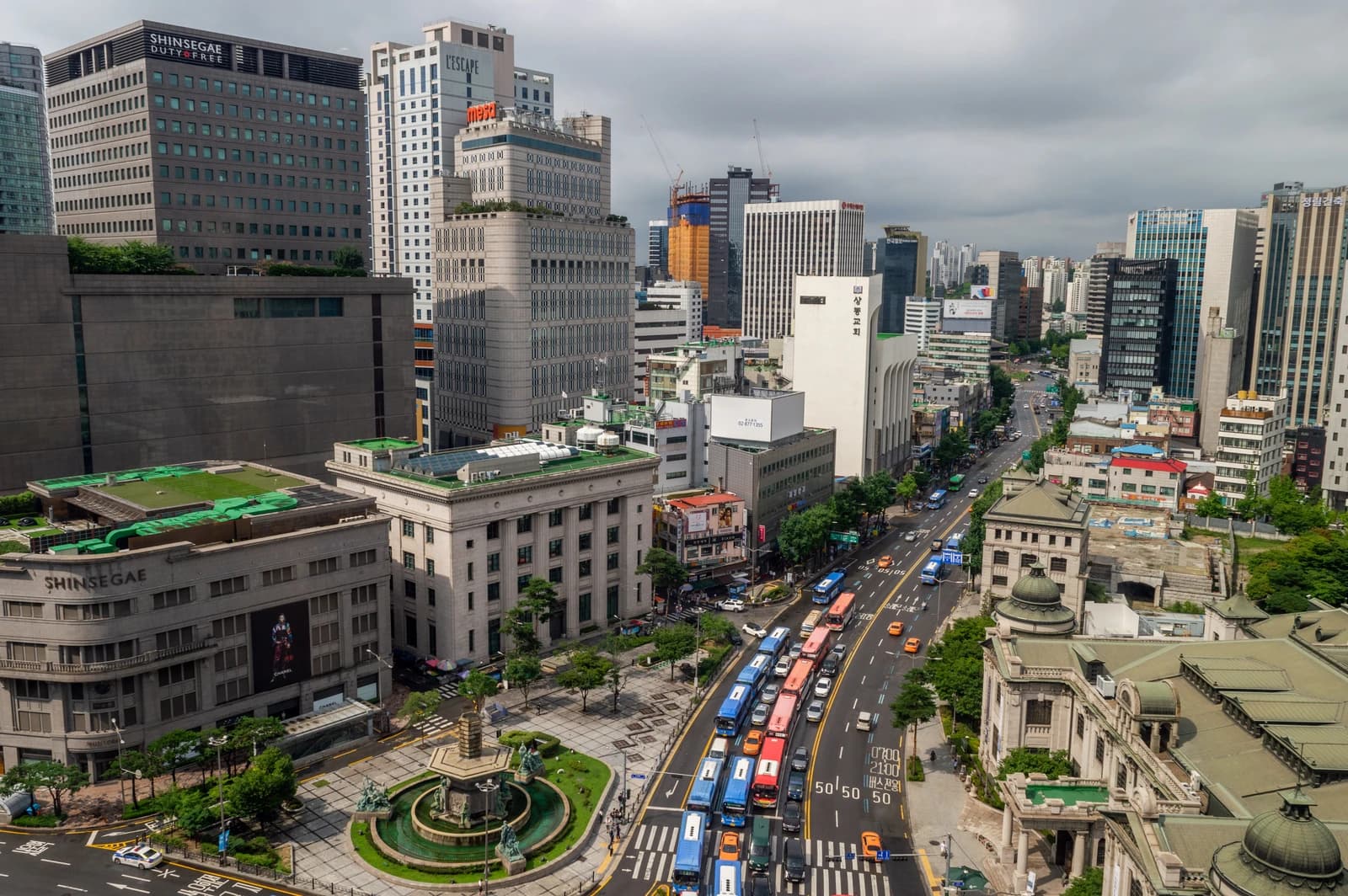
That matters because Seoul’s apartment market has become one of the clearest signs of persistent asset-price pressure in Asia’s fourth-largest economy, feeding concerns about household leverage, affordability and the risk that real-estate gains keep outpacing wages and broader inflation. If the government is able to slow the market without choking off construction or credit, it would help reduce financial stability risks. If it cannot, pressure will build for more intervention.
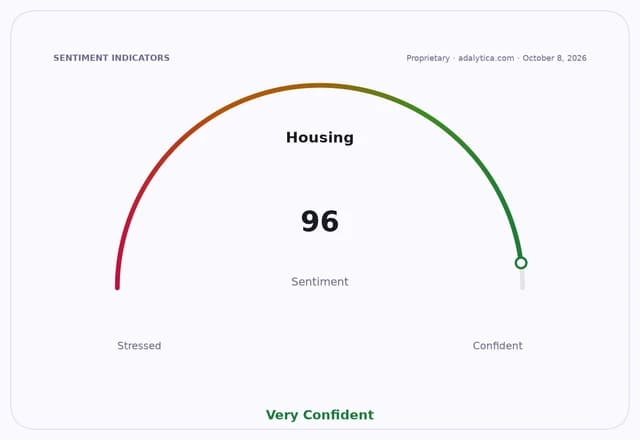
Sentiment IndicatorsⓘProprietary · adalytica.com · October 8, 2026
This is a snapshot — live sentiment, awareness and momentum for 130+ markets update continuously in the dashboard.Open AlphaPulse
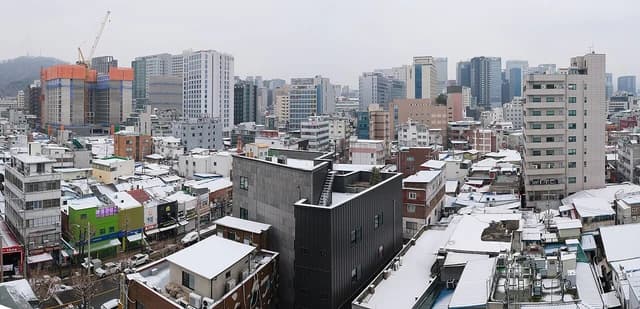
Minister of Land, Infrastructure and Transport Hong Ji-seon told parliament that prices in Seoul’s Gangnam 3 districts and Yongsan had already turned negative, while increases in other areas were moderating. She said housing-price growth should “stabilize” and narrow by year-end, pointing to a mix of speculative demand and a supply shortfall after three years of insufficient housing provision.
The minister’s comments come against a backdrop of unusually persistent gains. Seoul apartment sale prices have climbed for 86 consecutive weeks, underscoring how difficult it has been for authorities to cool the market even after repeated policy tweaks. The government has long used land transaction permission zones and other restrictions to contain speculation, but Hong said any decision on extending those controls or widening their scope would depend on a broader review of market conditions, including subscription competition rates.
For investors, the issue is not just Korean housing affordability but the spillover into banks, builders and the won. A sustained property rally tends to support mortgage growth and household wealth effects, but it also raises the risk of tighter macroprudential policy and weaker demand for rate-sensitive sectors if regulators lean harder against excess. On the other hand, a genuine cooling in house-price momentum could ease political pressure and reduce the odds of more draconian measures.
The market is already parsing whether Seoul’s property cycle is peaking or merely pausing. Adalytica’s housing and rent inflation sentiment gauge is in “Extreme Greed,” while CPI sentiment is also elevated, suggesting that inflation and housing remain prominent macro concerns. In currency markets, the won has remained vulnerable, with the KRW=X series still below its 50-day moving average and well under its 200-day moving average, a sign that local asset-market nerves have yet to fully subside.
For KB Financial and other lenders, the policy debate cuts both ways. Slower house-price growth could temper loan expansion and transaction volumes, but it may also reduce the odds of a sharper corrective downturn that would be more damaging to banks’ balance sheets. Korean equities, including the EWY exchange-traded fund, have shown volatility consistent with shifting views on domestic policy and growth, while the government’s willingness to keep restrictions under review suggests the market may not get much clarity until year-end data confirms whether the cooling trend is real.
The central question for investors is whether Seoul’s housing market is finally responding to policy and supply, or whether another round of administrative tightening will be needed to break a cycle that has now stretched for more than a year and a half.
| Entity | Gains | Losses |
|---|---|---|
| Korean policymakers | ▲More time to cool market | ▼Credibility if prices keep rising |
| Seoul homebuyers | ▲Better affordability if growth slows | ▼Fewer short-term upside gains |
| Banks such as KB Financial | ▲Lower risk of disorderly correction | ▼Slower mortgage and fee growth |
| Property owners/speculators | ▲Continued gains if prices stay firm | ▼Tighter curbs if policy intensifies |