Serbia’s labor market is showing the first clear signs of recovery after last year’s slowdown, with employers increasingly looking to hire and wages rising for the most sought-after occupations.
Serbia Hiring Rebound Signals Wage Pressure
That matters because a tighter hiring backdrop would support household income, stabilize consumption and give a much-needed lift to an economy that has been working through softer growth. For investors, the shift points to a labor market that is moving from defensive retrenchment toward selective expansion, with the strongest bargaining power now in fields where skills are scarce.
Sentiment IndicatorsⓘProprietary · adalytica.com · July 15, 2026
This is a snapshot — live sentiment, awareness and momentum for 130+ markets update continuously in the dashboard.Open AlphaPulse
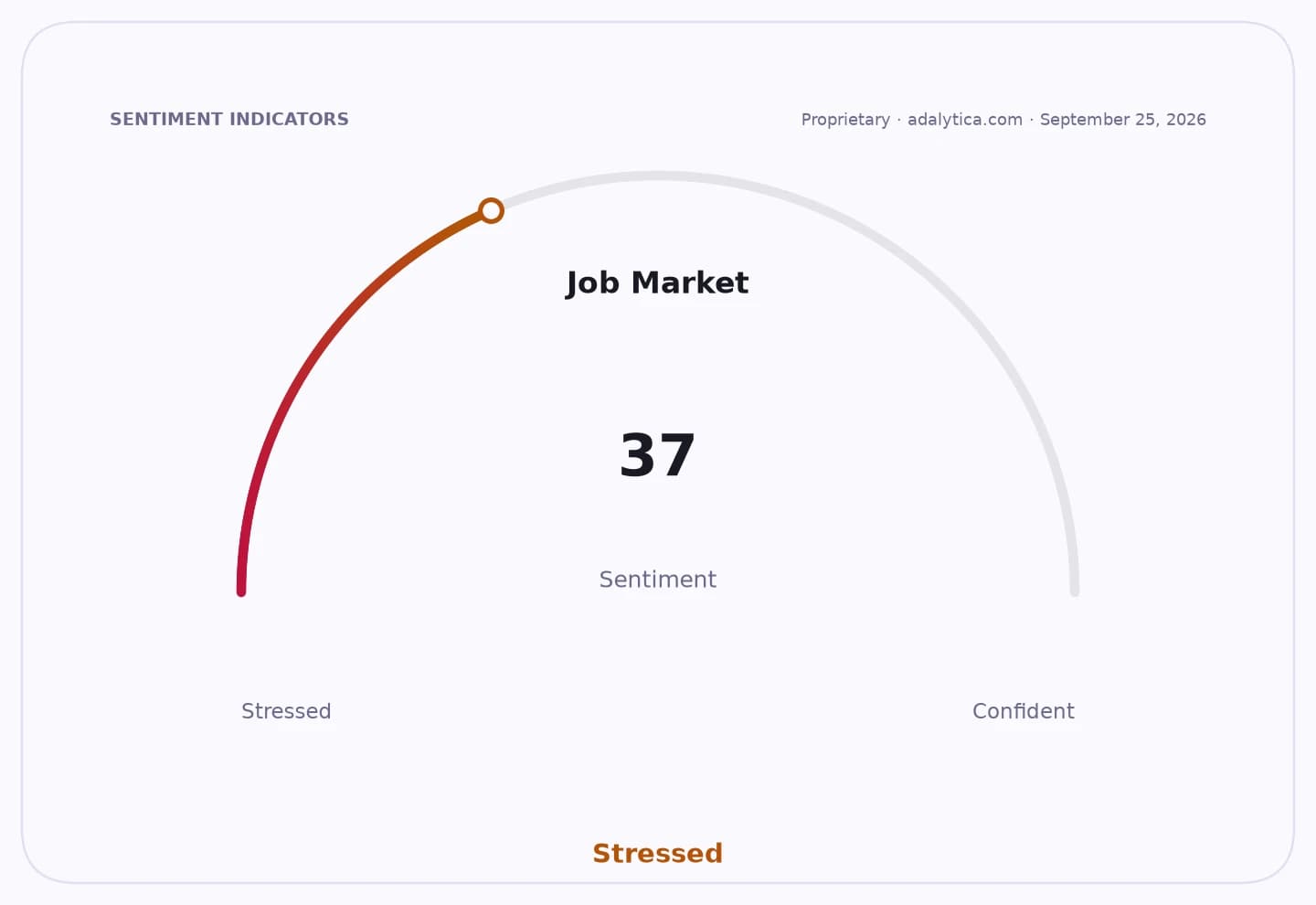
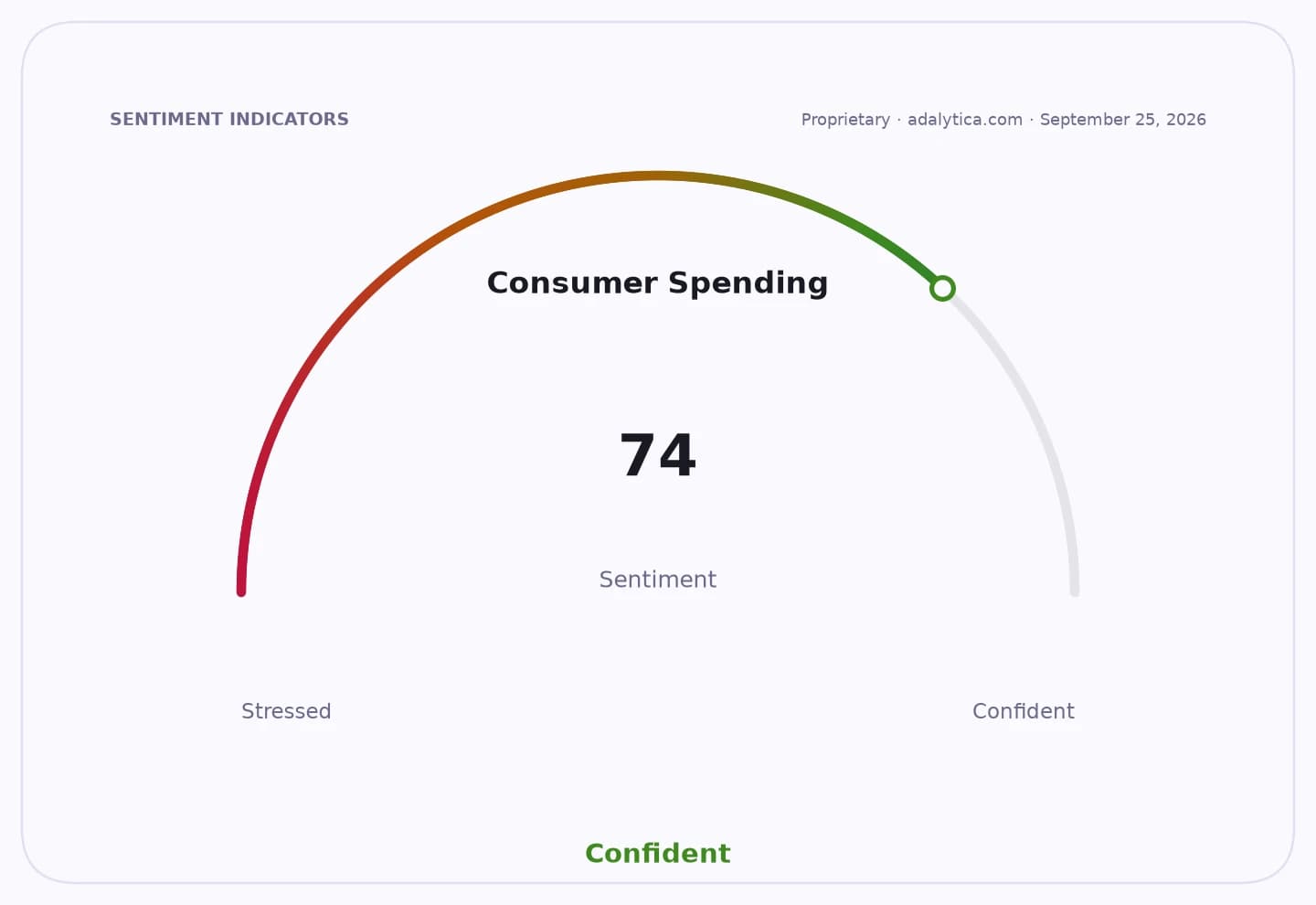
The latest job-market readings from Adalytica point to a sharp improvement in hiring appetite. Its Job Market Sentiment gauge is at 96, labeled extreme greed, and jumped 67 points in a week, a sign that employers are again competing for labor after a period of caution. The same data show consumer confidence sentiment at 33, still fragile, but the improvement in labor demand suggests the employment cycle may be turning before broader confidence does.
The clearest economic implication is for wages. When employers are forced to search harder for staff, compensation usually rises first in the occupations where shortages are most acute. The seed headline’s reference to pay reaching as much as 180,000 dinars underscores that dynamic: higher salaries are less a sign of broad-based inflation than of a market where firms are paying a premium to secure workers in hard-to-fill roles.
That kind of wage pressure can be constructive if it reflects stronger activity rather than overheating. Serbia has had to balance uneven growth, external demand risks and a labor pool shaped by emigration and demographic strain. A rebound in hiring would help ease those constraints, but it could also deepen labor shortages for smaller firms and lower-margin employers, who are least able to match higher pay.
For investors, the message is two-sided. Companies exposed to consumer demand, staffing services and sectors with persistent skills bottlenecks could benefit from a better employment backdrop. But firms that rely on cheap, abundant labor may face margin pressure if wage growth broadens faster than productivity. The better the recovery in jobs, the more important it becomes to watch whether it is being driven by cyclical improvement, public investment or simply chronic shortages.
The broader narrative is that Serbia’s slowdown may have been more of a pause than a reversal, and hiring is one of the earliest places that shows it. If job postings keep rising and wage offers continue to firm, the labor market recovery could spill into spending and growth in coming quarters. If not, the current surge in demand for workers may prove to be a narrow rebound concentrated in a few occupations rather than a full-cycle recovery.
| Entity | Gains | Losses |
|---|---|---|
| Job seekers in scarce occupations | ▲Higher pay offers | ▼Less leverage in oversupplied roles |
| Employers with growth plans | ▲Easier expansion if hiring succeeds | ▼Higher wage bills |
| Consumers | ▲Stronger incomes and spending power | ▼Risk of price pressure |
| Small firms | ▲Better access to demand recovery | ▼Squeezed margins from labor costs |