Serbia is preparing to cut payroll taxes and lift the minimum wage from January, a move that would put more money in workers’ pockets while trying to prevent a sharper hit to employers and the wider economy.
Serbia Plans Payroll Tax Cuts, Higher Minimum Wage
The plan underscores a familiar policy trade-off: boosting low incomes and shielding domestic demand without stoking inflation or forcing businesses to absorb higher labor costs. That balance matters because wage-setting decisions feed directly into consumption, hiring and social spending, and can quickly spill into price pressures if productivity does not keep pace.
Sentiment IndicatorsⓘProprietary · adalytica.com · August 19, 2026
This is a snapshot — live sentiment, awareness and momentum for 130+ markets update continuously in the dashboard.Open AlphaPulse
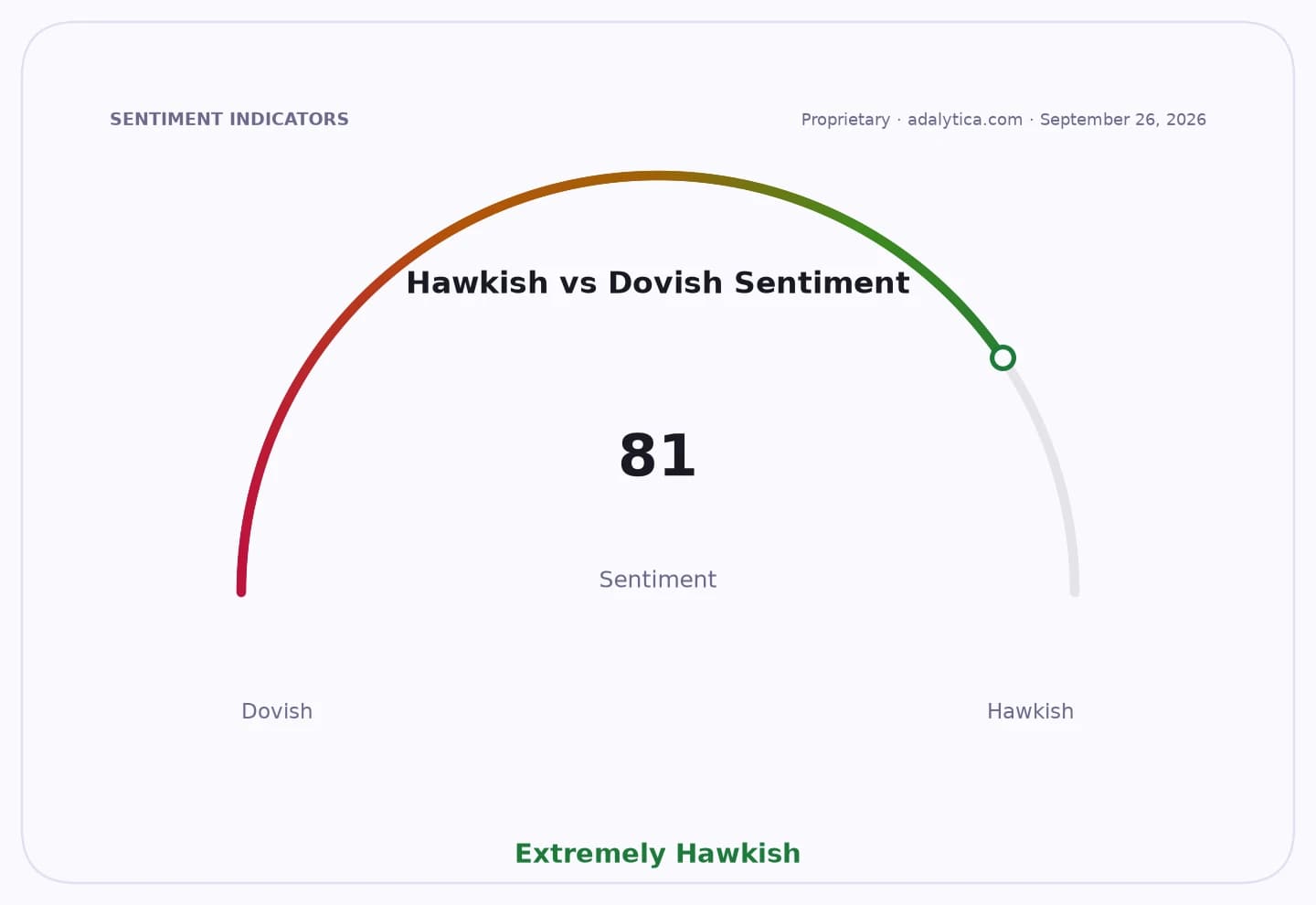
President Aleksandar Vučić said the government is considering lower taxes and contributions alongside a higher floor for pay, while talks continue on a new minimum-wage formula that could lift earnings by as much as 10%. The proposal comes as officials look for a mechanism that sets clearer lower and upper bounds on wage growth, reflecting pressure from unions and social partners for fairer compensation.
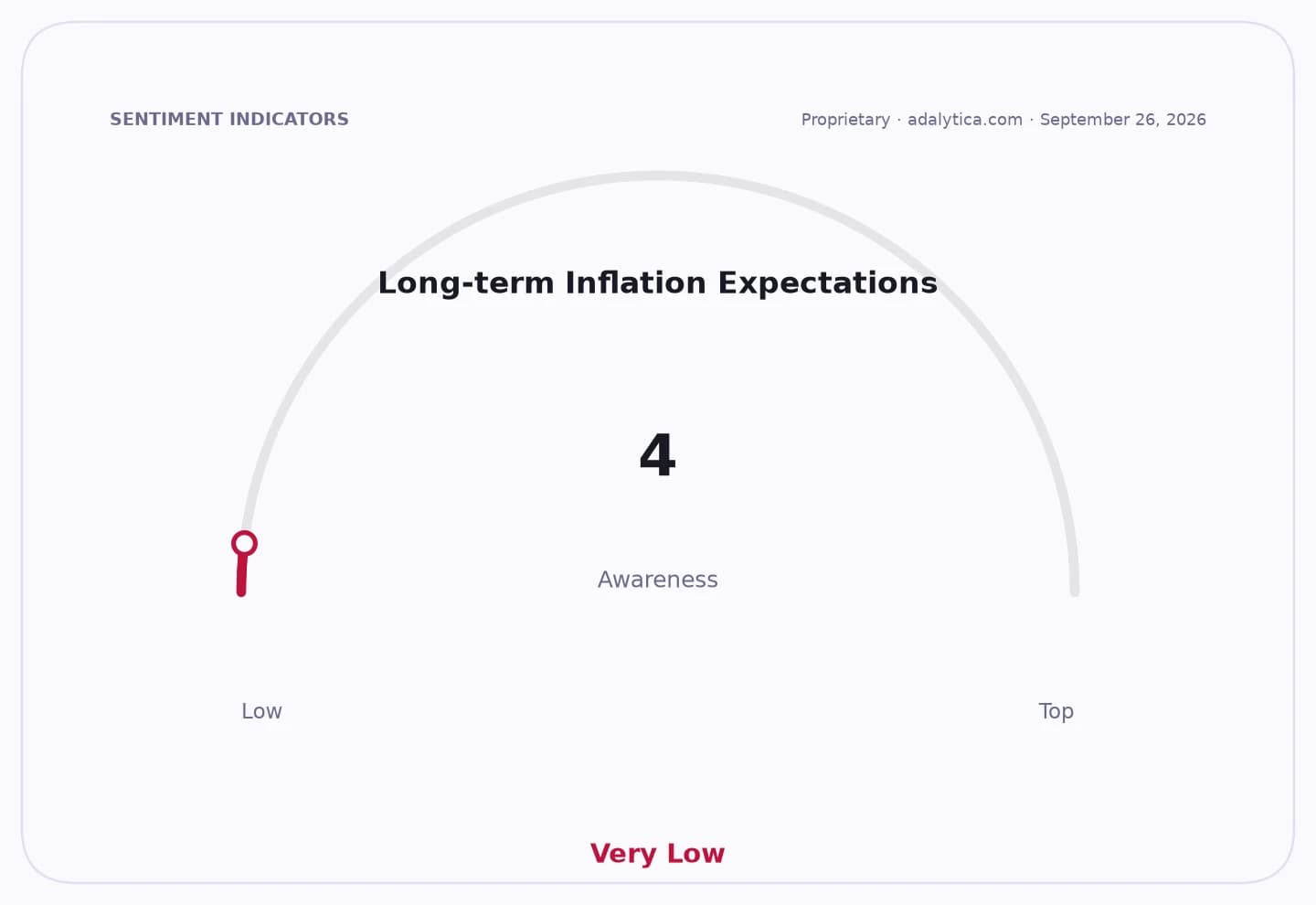
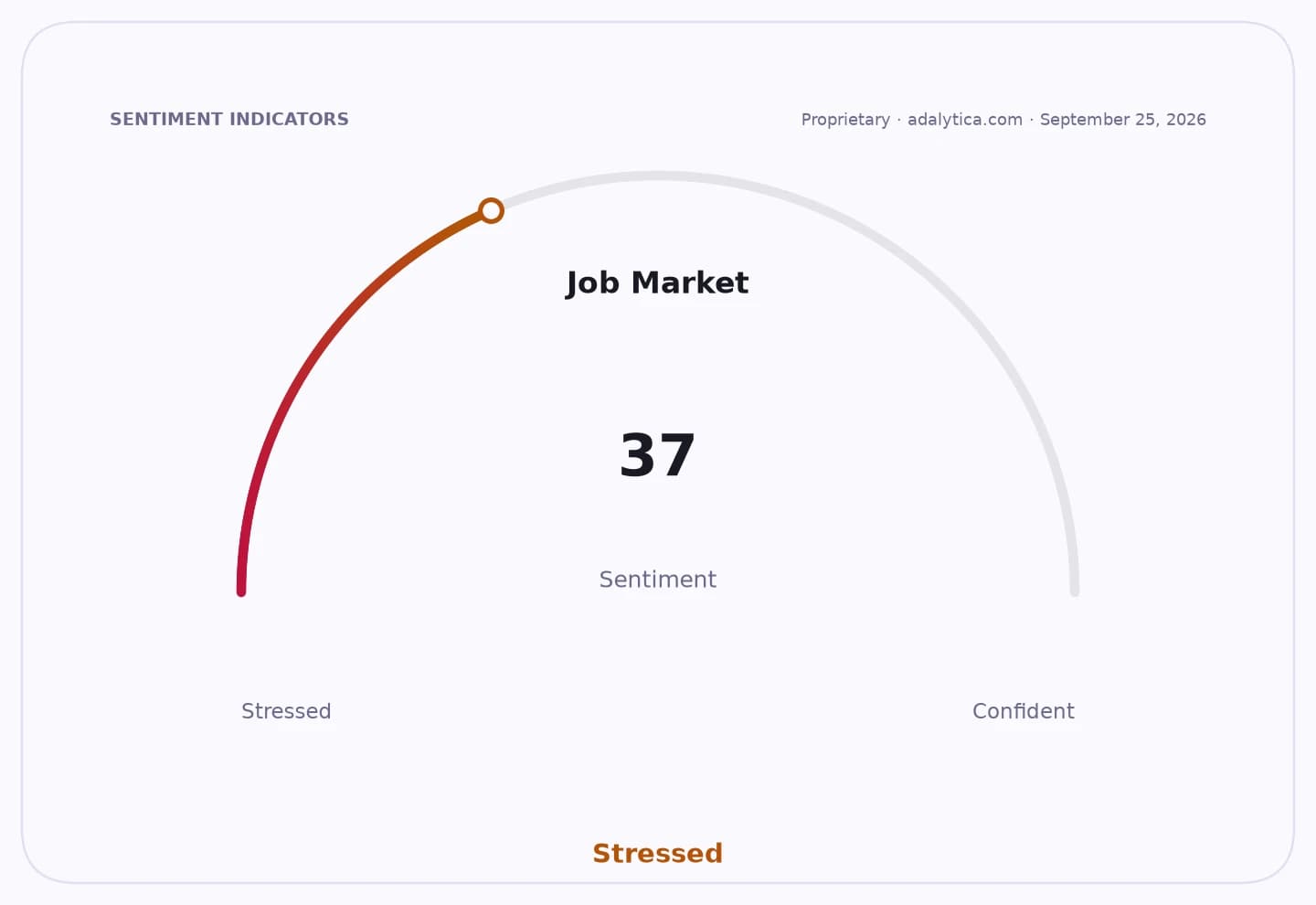
The macro backdrop gives the debate more weight. Consumer prices are still elevated after a long inflation surge, with the latest CPI reading at 332.813 in July and a forecast for 333.9723 in August, while unemployment has eased to 4.1% from 4.2% in June and 4.3% in May. The central bank’s policy rate has been held at 3.63%, suggesting policymakers have some room to support incomes, but not enough to ignore inflation risks.
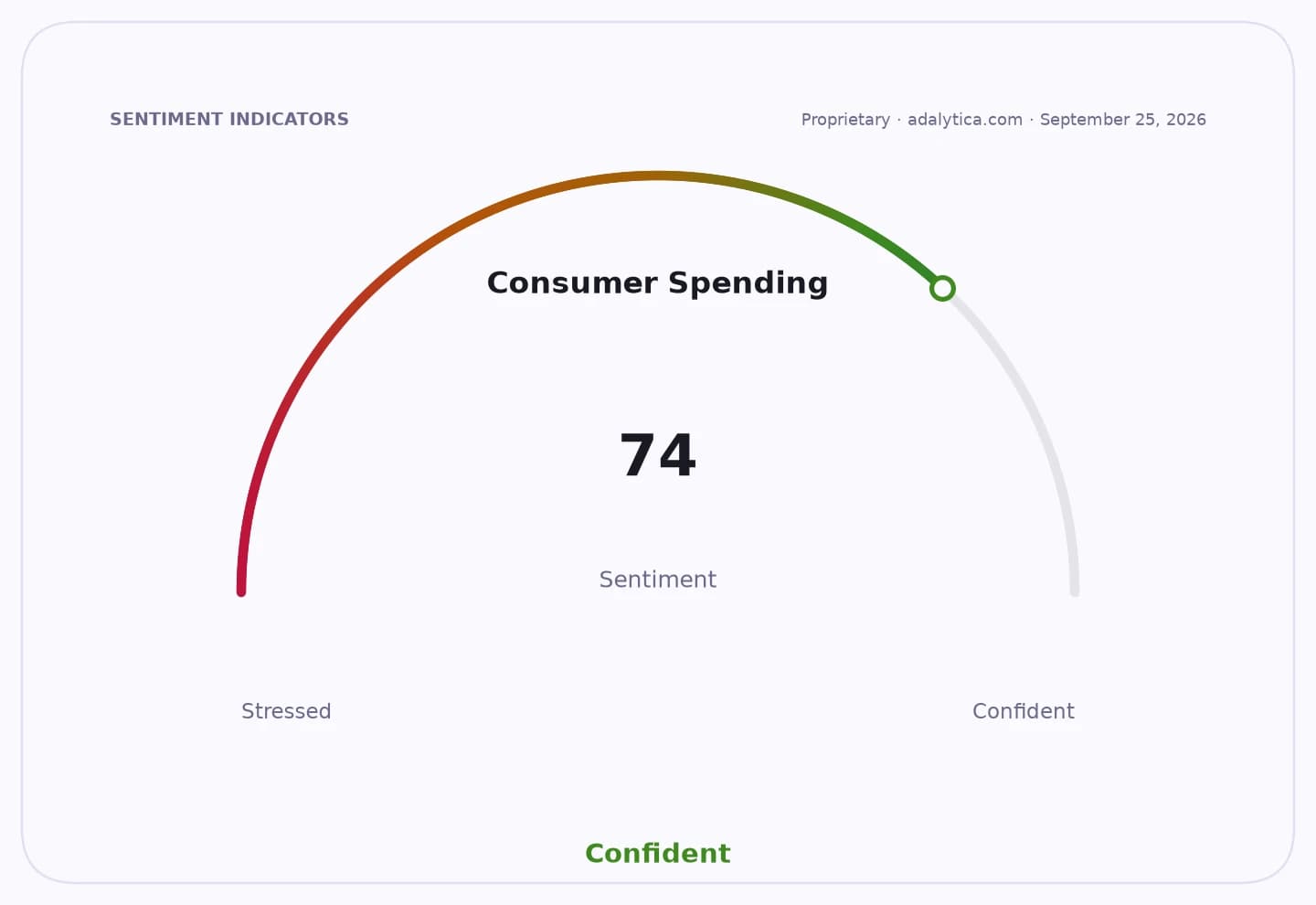
For investors, the immediate issue is margins. A higher minimum wage can lift household spending and support consumer-facing sectors, but it can also squeeze labor-intensive businesses and raise the odds of further tax relief or subsidies if the government wants to keep employers onside. That is why wage policy will matter for everything from retail sales to private-sector hiring and budget discipline.
The debate is also likely to keep consumer and wage-sensitive shares in focus. US consumer staples and discretionary ETFs have already shown that investors lean toward defensive positioning when wage and inflation pressures build, while in Serbia the next round of negotiations will test how much of the burden falls on firms versus the state.
Further talks are expected to decide the size and timing of the wage increase and the accompanying tax changes early next year, with the final package likely to determine whether the policy supports growth without reigniting inflation.
| Entity | Gains | Losses |
|---|---|---|
| Low-wage workers | ▲Higher take-home pay | ▼— |
| Consumers/domestic demand | ▲Stronger spending power | ▼Higher prices if costs rise |
| Employers | ▲Lower payroll taxes if approved | ▼Higher labor costs from wage hike |
| Serbian government | ▲Political support, steadier consumption | ▼Bigger fiscal pressure if relief expands |