ServiceNow is still doing what the market pays up for: turning workflow software into a larger, stickier, faster-growing enterprise platform.
ServiceNow’s subscription growth supports long-term case
That matters because the company’s latest filing shows subscription revenue rising 25% year over year to $3.88 billion in the second quarter, with first-half subscription revenue up 23%. For a business built on recurring software contracts, that kind of growth is the engine that compounds over time. It tells investors ServiceNow is not just defending its turf in digital transformation — it is widening the gap as more large organizations use its platform to automate work across departments.
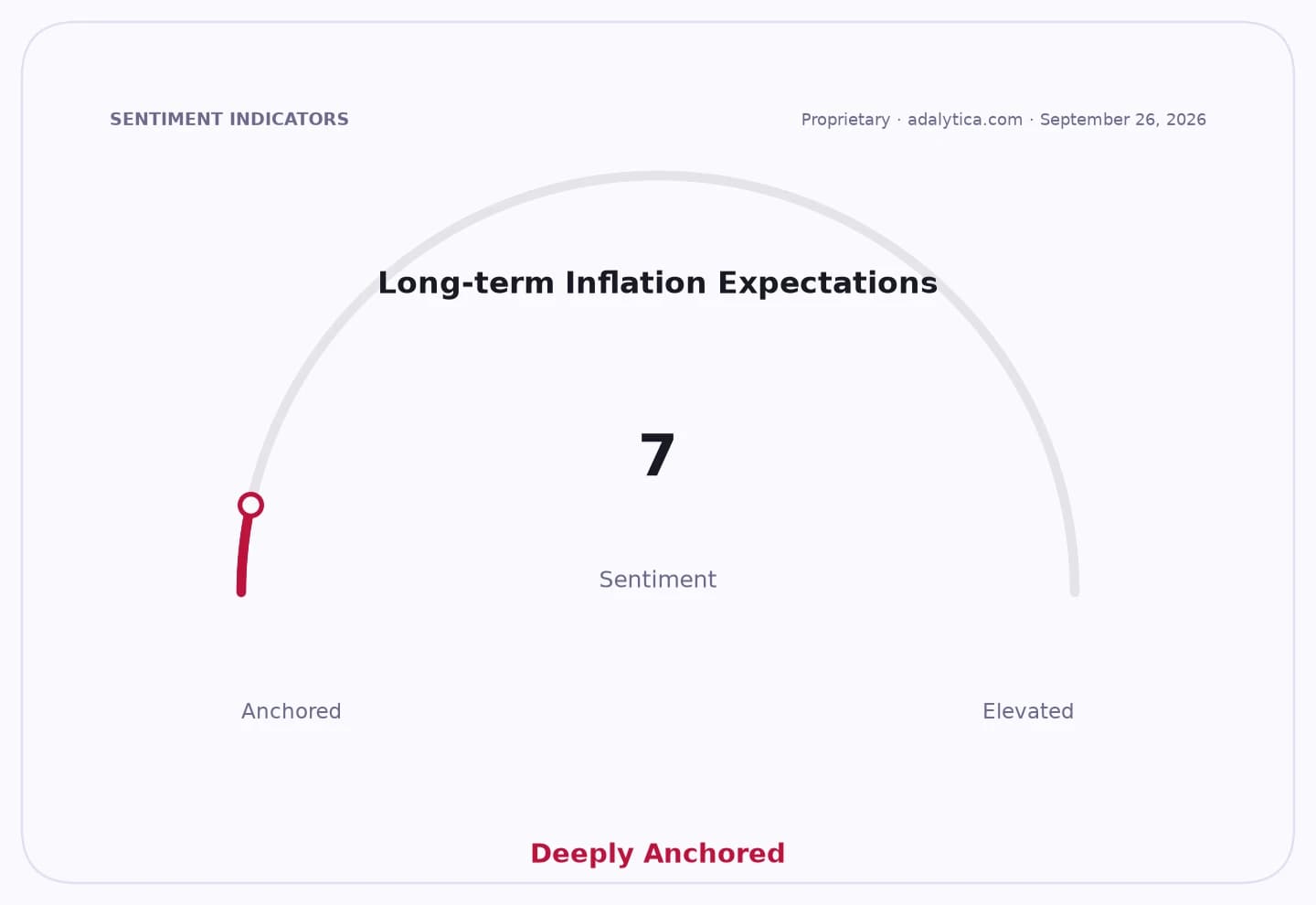
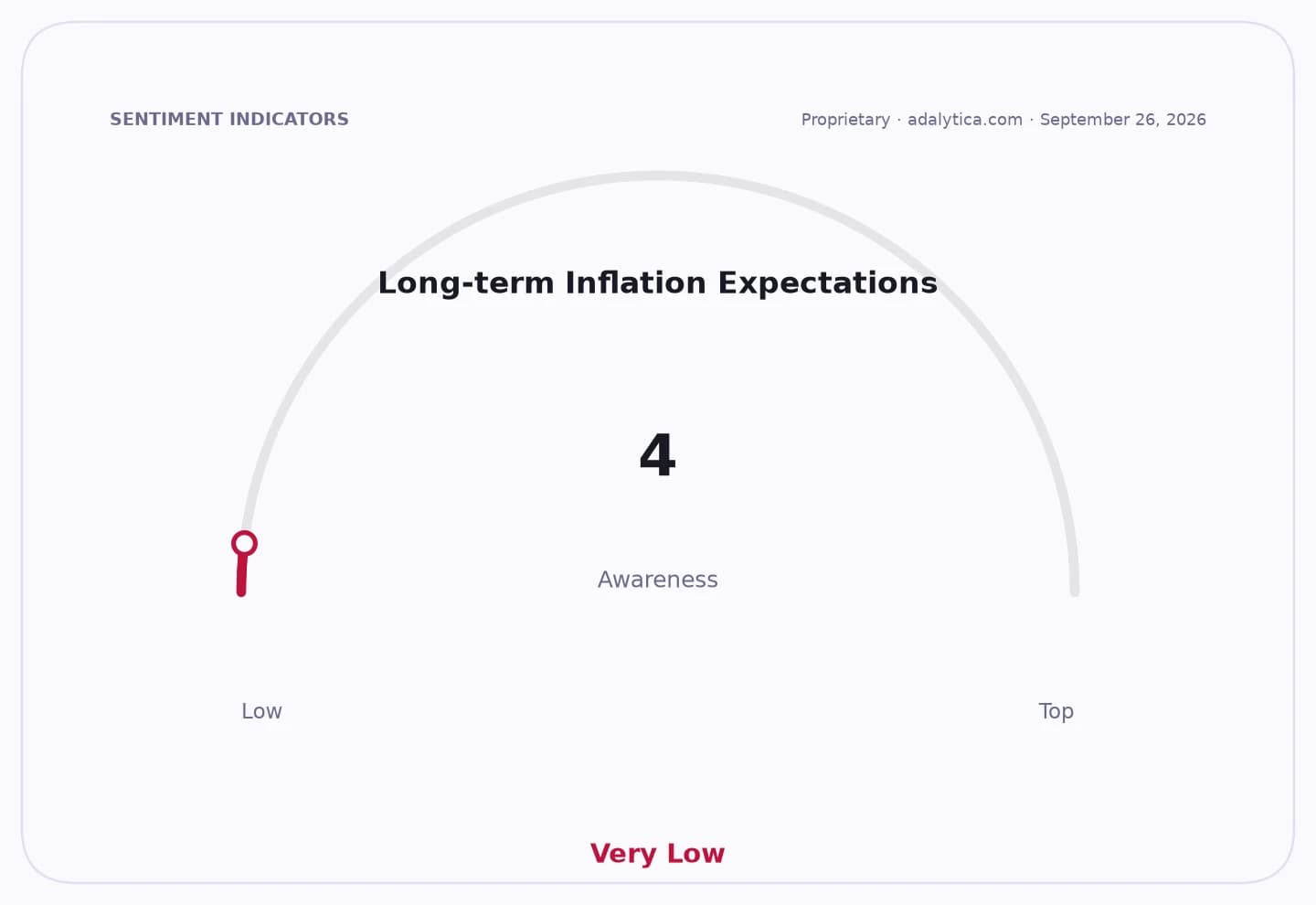
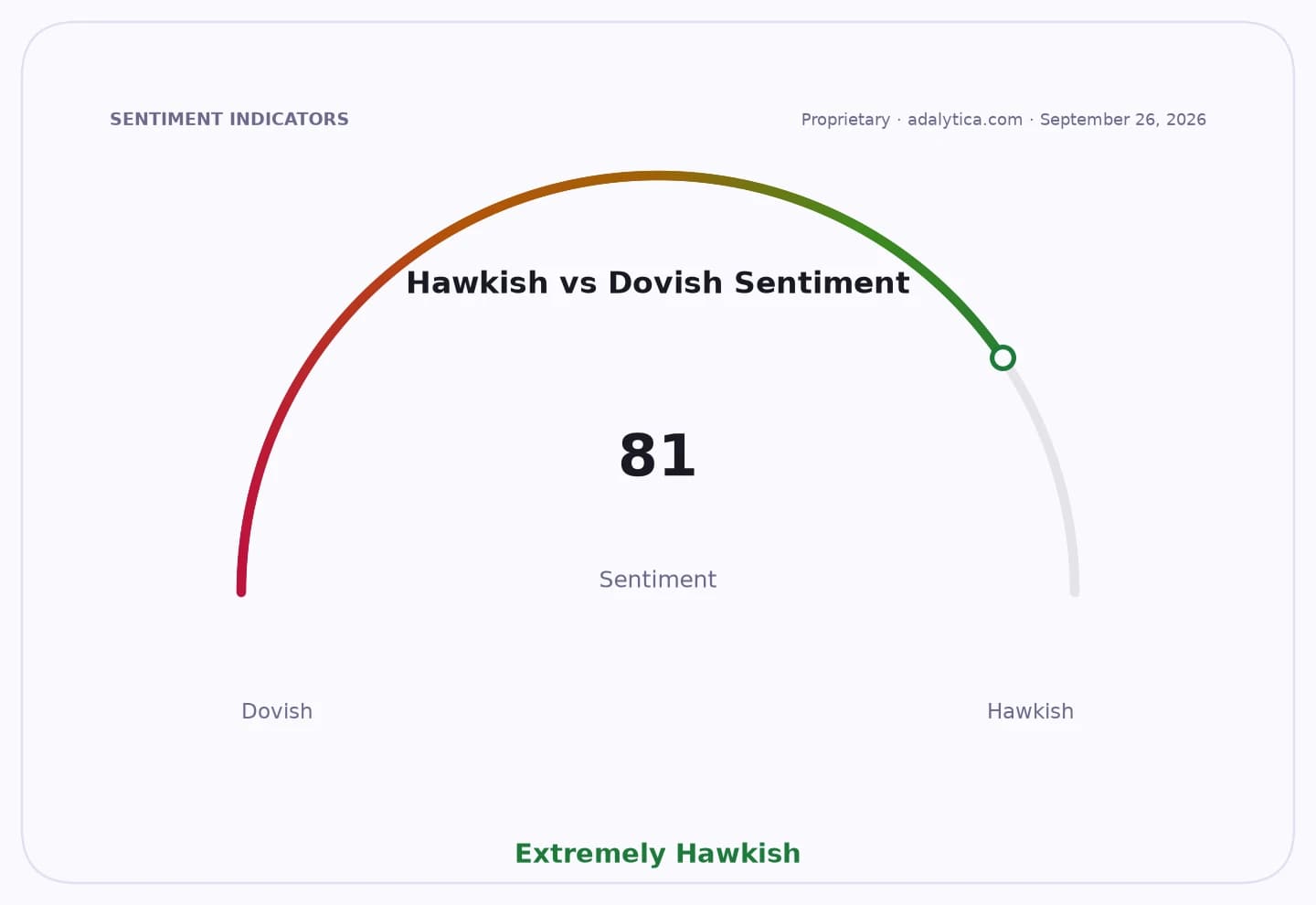
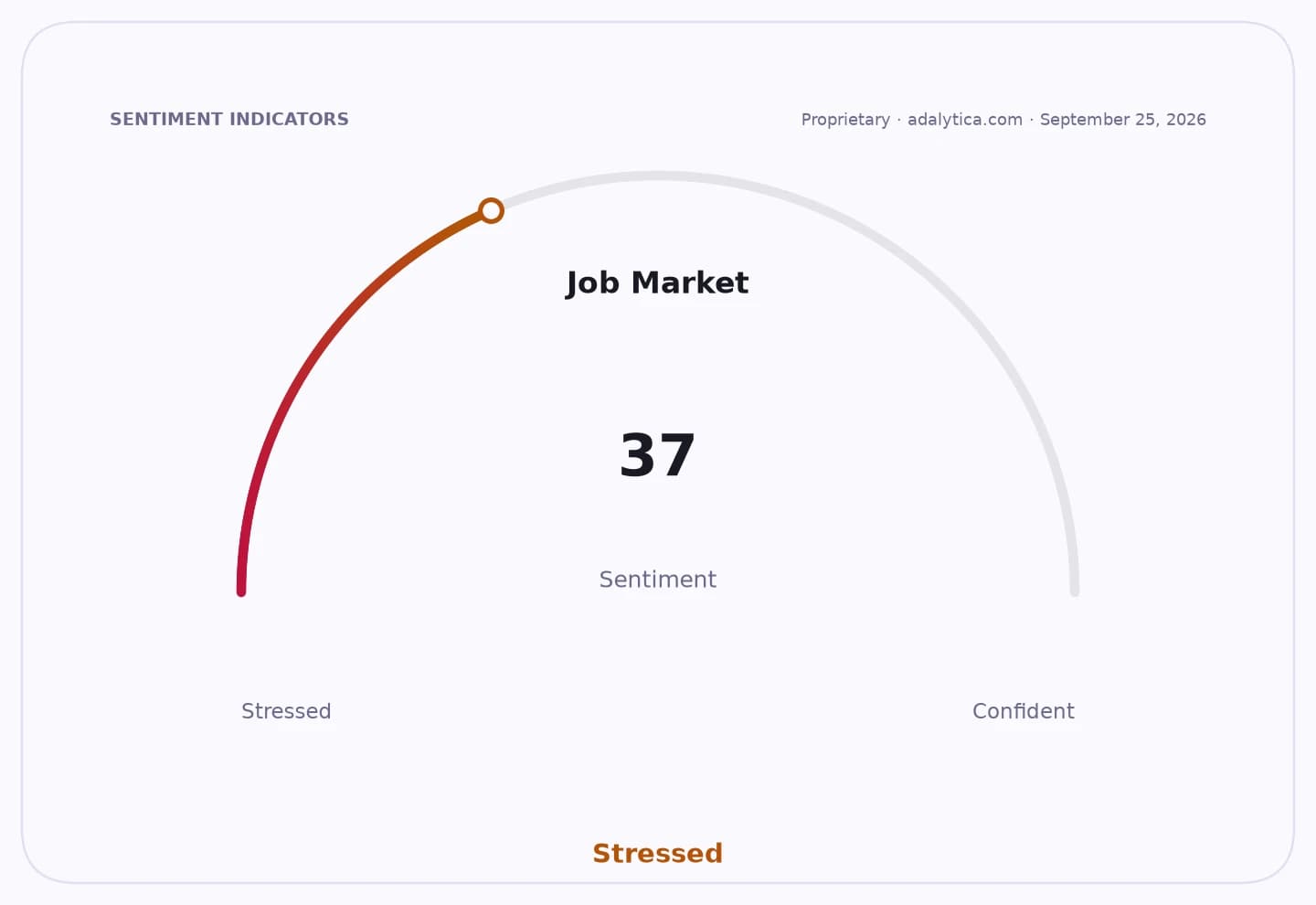
Sentiment IndicatorsⓘProprietary · adalytica.com · July 23, 2026
This is a snapshot — live sentiment, awareness and momentum for 130+ markets update continuously in the dashboard.Open AlphaPulse
The story is bigger than one strong quarter. ServiceNow’s messaging around its AI Platform and cloud-based workflow architecture points to a company moving from point solutions to an operating layer for the modern enterprise. That is the kind of positioning long-term investors should pay attention to. When a software company becomes deeply embedded in the day-to-day processes of customers, switching costs rise, renewal risk falls, and pricing power tends to improve. In plain English, the business gets better as it gets bigger.
That scale is especially valuable in today’s environment. The Federal Reserve’s policy rate is sitting around 3.63%, while the 10-year Treasury yield is near 4.69%, a reminder that capital is still expensive compared with the ultra-low-rate years that fueled speculative growth stocks. In that backdrop, the market is rewarding companies that can show durable subscription growth, healthy cash generation and clear return on software spending. ServiceNow fits that profile better than many higher-beta tech names.
Investors are also watching the competitive landscape. Salesforce and Oracle continue to push hard in enterprise software and cloud, but ServiceNow’s strength has long been its focus on workflow automation, service management and now AI-enabled productivity across an organization. That specialization can be a moat. Broad platforms are useful, but focused platforms often become indispensable. If ServiceNow keeps expanding its footprint inside large customers, the opportunity is not just more seats sold — it is more workflows, more modules and more years of compounding revenue.
The stock’s recent price action shows how much expectations can swing for a name like this. ServiceNow has traded from the low $190s down into the low $90s and back again over the past year, with technical readings now showing the shares well below the 200-day moving average and the relative strength index indicating oversold conditions. For long-term investors, that kind of volatility is less a verdict than a reminder: even outstanding businesses can be punished in the short run when valuations reset or the market briefly loses patience.
The key question is not whether ServiceNow can have bumpy quarters. It can. The real question is whether it can keep expanding its role in enterprise software for the next five to 10 years. The evidence still leans that way. As companies keep spending on automation, AI workflows and productivity tools, ServiceNow looks like one of the better positioned beneficiaries.
For investors, that makes this a name to keep on the watchlist, not because it is cheap in a vacuum, but because great software franchises often become more valuable as their customer relationships deepen. If ServiceNow keeps converting growth into scale and scale into operating leverage, today’s “greater business” could still become tomorrow’s greater opportunity.
| Entity | Gains | Losses |
|---|---|---|
| ServiceNow | ▲Higher subscription revenue | ▼Short-term valuation pressure |
| Enterprise customers | ▲More automation and efficiency | ▼Higher software spend |
| Long-term shareholders | ▲Compounding recurring revenue | ▼Near-term volatility |
| Salesforce and Oracle | ▲Industry growth tailwind | ▼Workflow share gains by NOW |