Global efforts to connect data, AI and digital infrastructure moved another step closer to commercialization in Shanghai, where officials and industry leaders unveiled new cross-border initiatives aimed at standardizing how data is measured, trusted and traded.
Shanghai launches cross-border data and AI initiatives
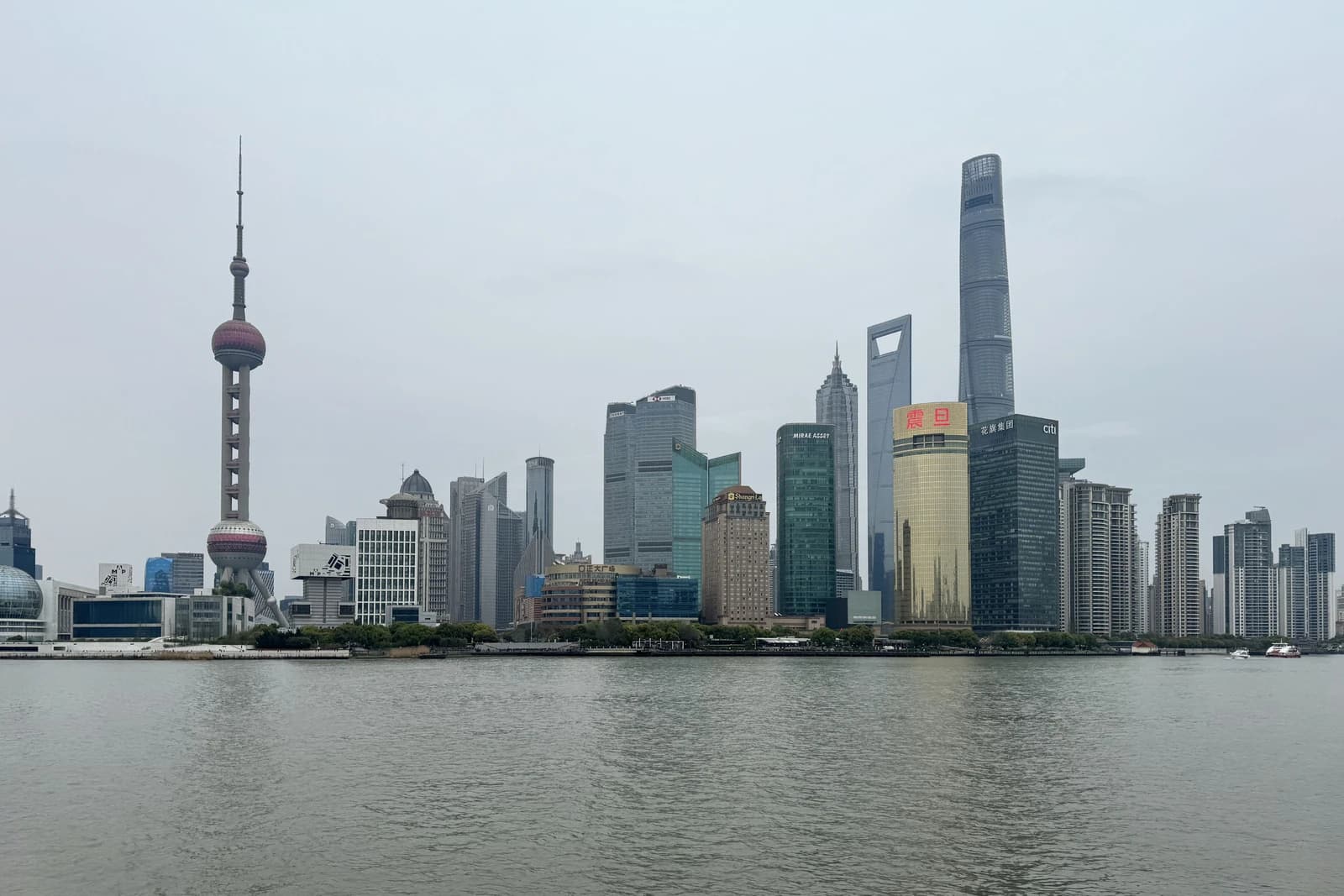
That matters because the next phase of the AI boom is no longer just about building larger models. It is about who controls the pipes, standards and governance layers that determine whether data can move securely across borders and industries. Shanghai’s conference placed China squarely in that race, with fresh initiatives spanning meteorological data exchange, maritime and trade digitization, carbon-tracking for recyclable materials and a token-based framework for valuing and pricing data in the age of large AI models.
Sentiment Indicators
The most economically important development was the formal launch of the China-Kazakhstan Industrial Cooperation in Digital Economy initiative, which will focus on digital economy research, cross-border digital infrastructure, smart-city construction and data-element market development. That is a direct bet on data as a tradable industrial input, not just a byproduct of tech platforms. For China, it also extends its digital sphere of influence into Central Asia at a time when supply chains, logistics networks and industrial policy are increasingly being shaped by technology alliances as much as by tariff policy.
Shanghai is positioning itself as a regional node in that architecture. The conference also introduced the Shanghai Node for International Exchange of Earth System Data and a Trusted Data Space for the meteorological industry, moves that could improve everything from smart-city planning to weather-dependent logistics, agriculture and insurance pricing. In parallel, a newly formed working group under the World Data Organization will target maritime and trade digitization, reinforcing Shanghai’s role as both a port hub and a test bed for the digitalization of global commerce.
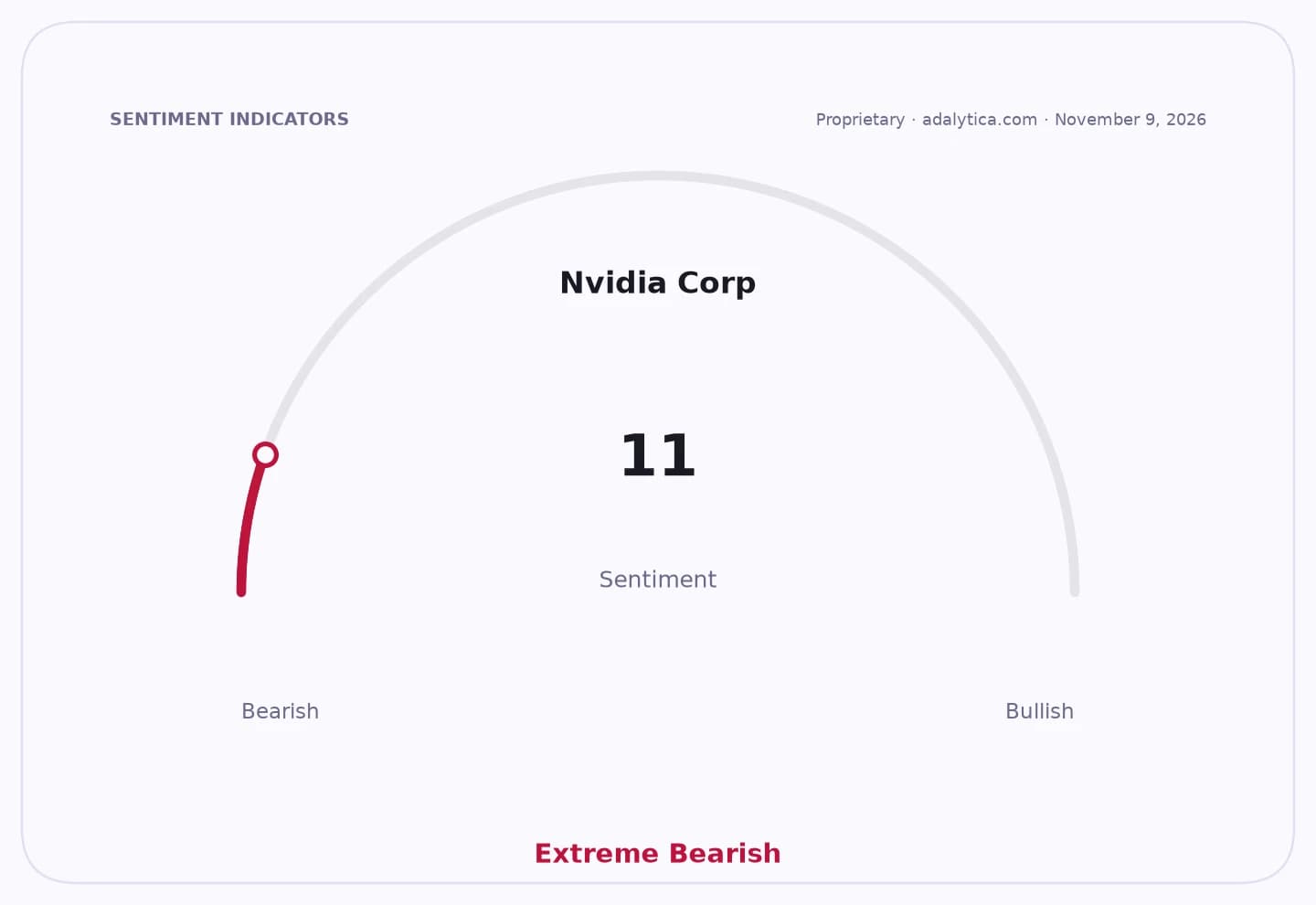
For investors, the message is that the market may still be underestimating the second-order beneficiaries of AI infrastructure. The winners are not only chipmakers and model developers, but also data-governance platforms, digital-trust providers, industrial software firms, cloud operators and the companies building compliance-heavy infrastructure around traceability and tokenization. Microsoft and Nvidia remain central to the AI compute trade, but the real margin expansion may increasingly come from ecosystem layers that turn raw data into a governed, monetizable asset.
That is why the conference’s emphasis on a “trusted” data space and on tokenizing data pricing is important. It points to a future where AI systems need verifiable datasets, auditable provenance and interoperable standards before they can scale across industries such as weather services, manufacturing, finance, healthcare and green development. Shanghai also showcased an AI governance platform for agents, a carbon-footprint certification chain for recyclable materials and an open scientific data community, all of which reinforce the same theme: data quality, trust and interoperability are becoming strategic assets.
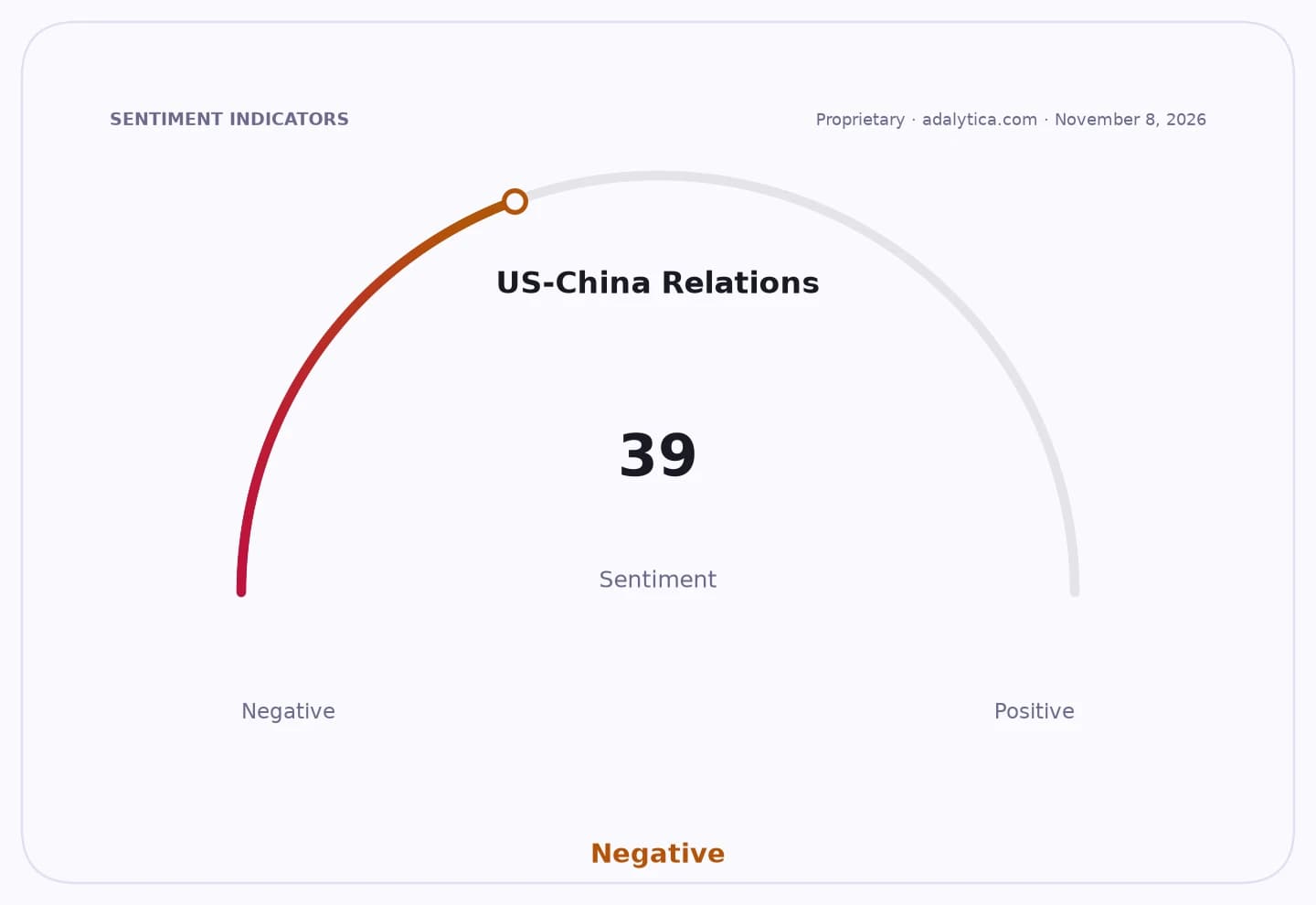
The broader geopolitical backdrop makes this even more investable. As the U.S. moves toward tighter AI oversight and data-center regulation, China is pushing a parallel system built around digital cooperation, industrial integration and state-backed standard setting. That split could accelerate demand for localized infrastructure, sovereign data spaces and regional technology alliances, especially in markets that want access to both Chinese capital and Chinese digital systems without fully depending on Western platforms.
The trade here is clear: own the picks-and-shovels of AI data infrastructure, trusted governance and industrial digitization. The conference in Shanghai is not just a policy showcase; it is a signal that the next leg of AI investment may come from the plumbing, standards and cross-border networks that make digital ecosystems actually work.
| Entity | Gains | Losses |
|---|---|---|
| Shanghai Data Group | ▲Central platform role | ▼Pure-play outsiders |
| China-Kazakhstan digital alliance | ▲Cross-border infrastructure access | ▼Fragmented regional networks |
| Data-governance and trust providers | ▲Higher demand for compliance tools | ▼Unregulated data platforms |
| Western AI hyperscalers | ▲More validation for AI infrastructure spending | ▼Slower adoption in fragmented markets |