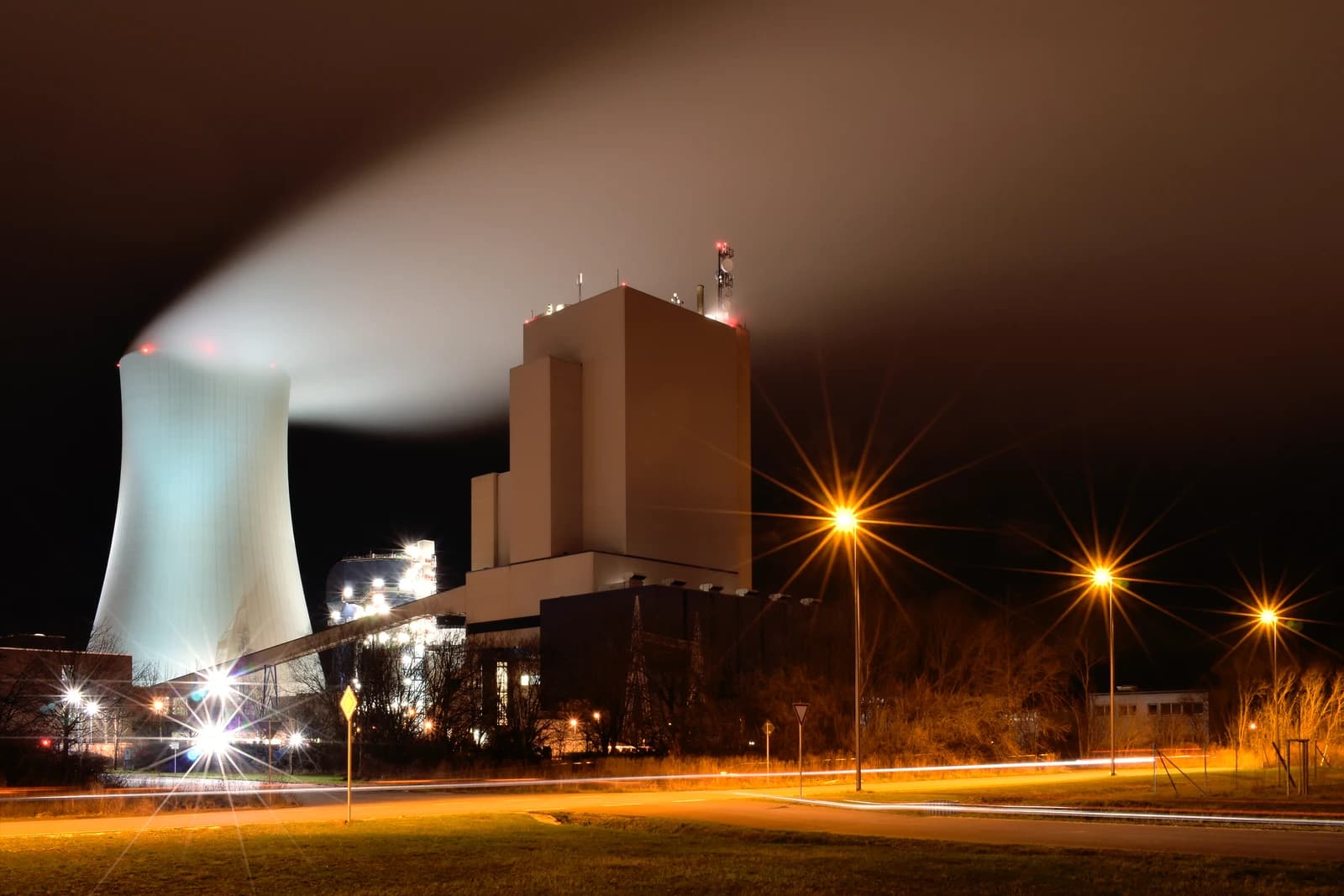
Siemens Energy is turning Germany’s election debate into an investor issue, warning that the AfD’s call to revive coal and nuclear power would undermine the country’s long-term competitiveness just as Europe’s power system needs more, not less, grid stability and clean-capacity buildout.
Siemens Energy Warns on AfD Coal and Nuclear Plan

The warning matters because Germany is not debating energy policy in a vacuum. Europe is still trying to reduce dependence on external fuel supplies while expanding renewable generation and the transmission network needed to support it. For industrial groups such as Siemens Energy, the central question is whether Berlin keeps backing a capital-intensive transition that rewards turbines, grids and storage — or shifts back toward legacy assets that may be politically popular but do little to solve the reliability problem investors actually care about.
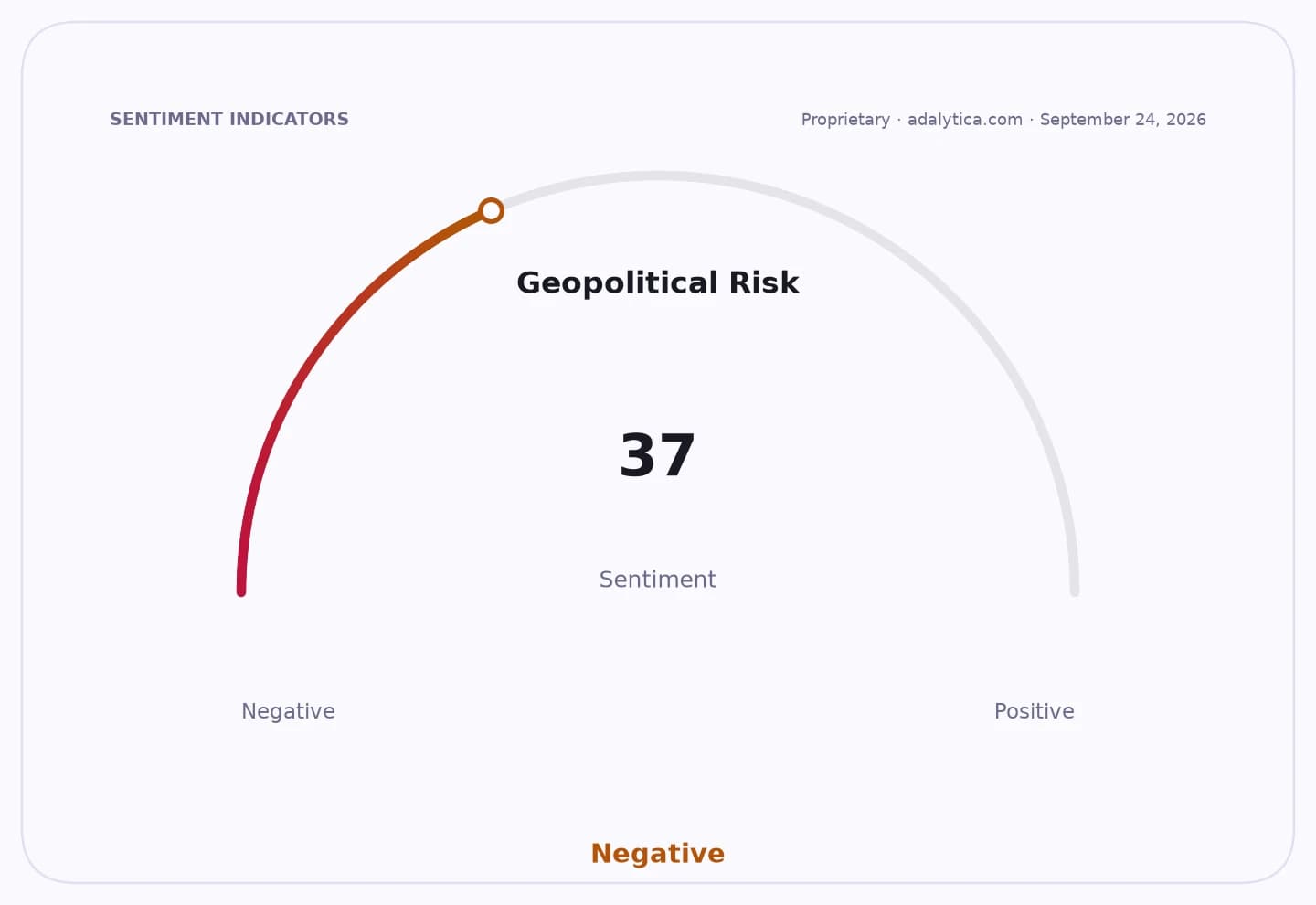
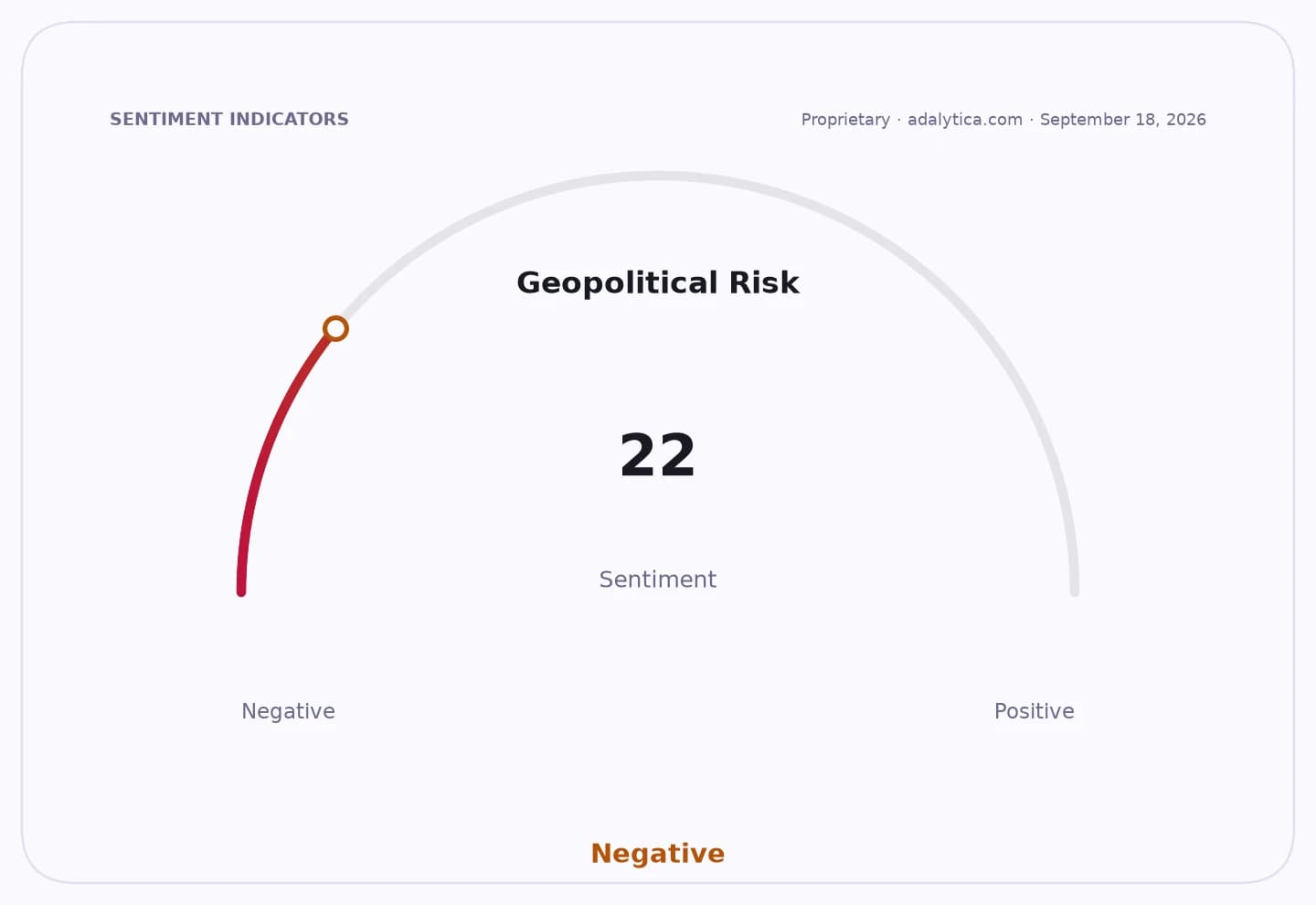
Sentiment IndicatorsⓘProprietary · adalytica.com · September 6, 2026
This is a snapshot — live sentiment, awareness and momentum for 130+ markets update continuously in the dashboard.Open AlphaPulse

That is why the election in Saxony-Anhalt has broader market significance. The region is a test of whether the AfD’s hard-right energy message, which Siemens Energy chief executive Christian Bruch called “dramatically wrong,” can gain more traction in a state where power prices, industrial jobs and grid security remain sensitive issues. A stronger protest vote could pressure mainstream parties to harden their stance on coal, delay permitting and muddy the investment case for Germany’s energy transition.
For investors, the trade is less about one state election than about the direction of capital spending. Siemens Energy sits at the center of the system upgrade story: turbines, high-voltage infrastructure, grid balancing and backup capacity all benefit if Europe keeps treating electricity reliability as a strategic priority. The stock has already been supported by that theme, with the shares recovering above both their 50-day and 200-day moving averages in recent months. That kind of technical improvement usually reflects a market that believes the capex cycle is real, not rhetorical.

The broader energy tape is telling the same story. XLE, the energy sector ETF, has surged to around 64, while still showing the kind of strength that comes from a market willing to pay for cash flow and energy security. But the long-run winners in Germany are not necessarily fossil fuel producers. If policymakers continue to prioritize electrification, grid reinforcement and industrial resilience, the hidden beneficiaries are equipment makers, engineering firms and infrastructure suppliers — the toll roads of the transition.
There is also a geopolitical layer. Europe’s energy debate remains shaped by the aftershocks of Russian supply disruption, and any suggestion that the bloc should retreat from renewables would risk locking in higher strategic vulnerability, not less. That is why Bruch’s comments matter beyond party politics: they frame energy policy as a reliability and innovation question, not an ideology fight.
The investment takeaway is straightforward. The market should not confuse anti-transition rhetoric with an investable policy shift. As long as Germany and the EU keep steering toward grid expansion, backup power and industrial decarbonization, Siemens Energy and the broader European infrastructure complex remain positioned to benefit. If the AfD gains influence, volatility will rise — but so will the case for owning the companies that solve the system’s real bottlenecks.
| Entity | Gains | Losses |
|---|---|---|
| Siemens Energy | ▲Grid and backup-power demand | ▼Coal/nuclear policy drift |
| Renewable and grid suppliers | ▲Higher capex cycle | ▼Policy uncertainty |
| AfD | ▲Protest-vote momentum | ▼Credibility with industry |
| German industry | ▲Reliability-focused investment | ▼Energy-policy volatility |