Singapore’s latest Savings Bonds tranche is offering a 10-year average return of 2.45%, a fresh step up that underscores how investors are still being drawn to government-backed income even as global bond markets stay volatile.
Singapore Savings Bonds Offer 2.45% Average Return
That matters because the new issue now sits just below the 2.5% floor many Singaporeans associate with the CPF Ordinary Account, while giving savers something the CPF cannot: monthly liquidity and a low $500 entry point. For households and conservative investors, that combination makes the bonds a useful parking place for idle cash at a time when the hunt for safety is back in focus.
Sentiment Indicators
The November tranche starts at 1.67% in the first year and rises to 3.08% in year 10, a steep enough step-up to reward long-term holders but not so high that it becomes a one-way bet on locking money away. Six-month Treasury bills recently cleared at 1.92%, which still beats the SSB’s first-year rate, so the near-term choice remains between higher short-duration yield and the flexibility of redeeming SSBs without penalty.
That flexibility is the real selling point. Investors can redeem Singapore Savings Bonds in any month and get principal plus accrued interest by the second business day of the following month, making them far more liquid than fixed deposits and far more forgiving than lockup products. In a world where rates can move quickly, that optionality has value — especially for savers who do not want to guess the next turn in policy or yields.
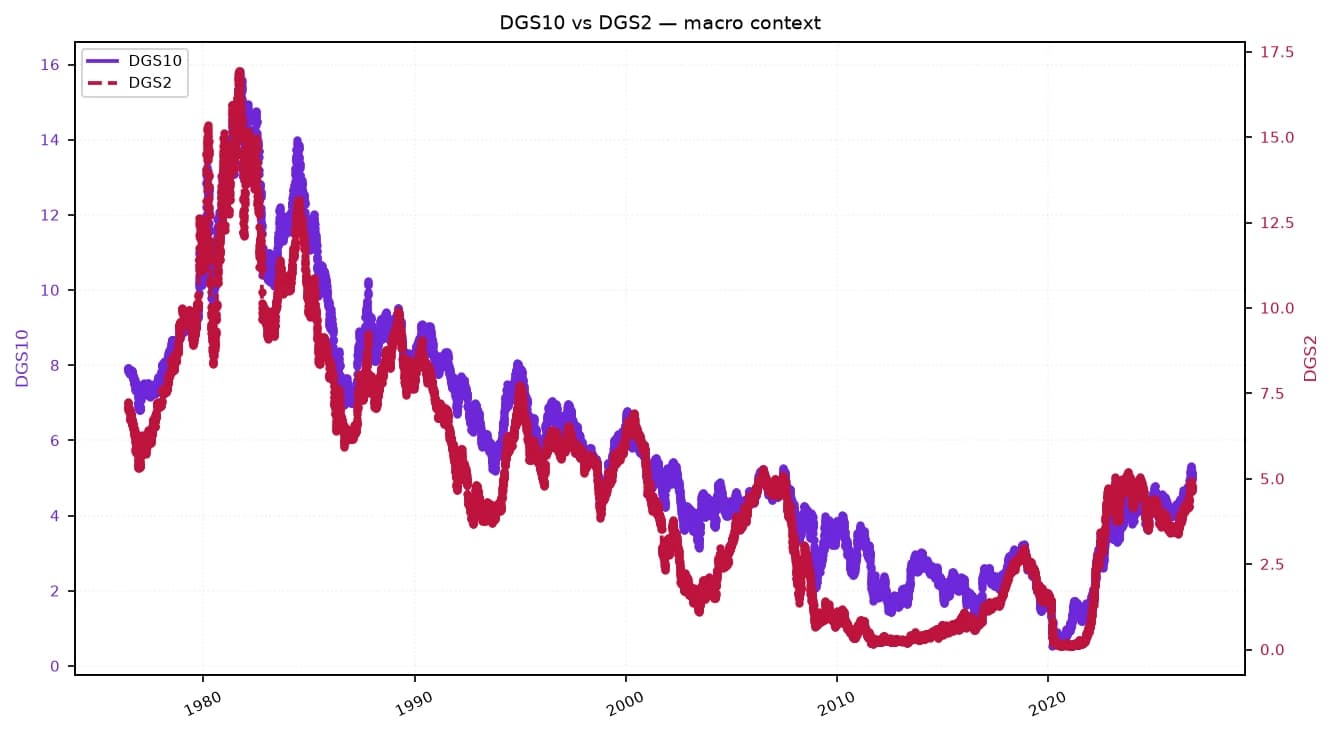
The move higher also fits a broader bond-market story. Global investors are increasingly uneasy about fiscal deficits, sticky inflation and policy uncertainty, and that has kept demand alive for high-quality sovereign paper. Adalytica’s market signals show heavy appetite for U.S. Treasuries as well, with TLT trading around 81.34 and its technicals pointing to momentum in long-duration bonds, a reminder that safe income remains in favor even as rate-cut timing stays unclear.
For Singapore investors, the implication is straightforward: this is not just another incremental rate update, but a signal that conservative capital still has choices. The SSB is not designed to beat equities or chase inflation, but it is becoming more competitive as a cash-management tool, especially for emergency funds, SRS money and investors waiting for better entry points elsewhere.
The application window closes at 9 p.m. on Oct. 27, and that deadline matters because waiting for a hypothetical better rate can be costly if global yields fail to rise further. My view is that the market underestimates the value of locking in a government-backed 2.45% average return with full liquidity; in a year when uncertainty is still the dominant macro theme, that is an asymmetric advantage for patient savers.
| Entity | Gains | Losses |
|---|---|---|
| Singapore Savings Bond investors | ▲Higher guaranteed yield | ▼Need to commit funds now |
| Conservative savers | ▲Safe liquid income | ▼Lower upside than equities |
| Six-month T-bill holders | ▲Better short-term yield today | ▼Less flexibility than SSBs |
| Fixed deposit banks | ▲Fewer rate-seeking depositors | ▼More competition for cash |