SK Group’s push to invest in LPG and LNG terminals at Matarbari is a bigger deal than another foreign delegation call on a prime minister: it points to Bangladesh trying to lock in the infrastructure needed to secure fuel supplies, draw in capital and build a regional energy gateway.
SK Group Explores Matarbari LNG, LPG Terminals

The South Korean conglomerate told Bangladesh’s leadership it sees Matarbari as a potential energy hub on the model of Ulsan, South Korea’s major industrial and energy center. That comparison matters because terminals are not just storage tanks and jetties. They are the backbone of a modern gas import system, shaping whether a country can reliably bring in cleaner-burning fuel for power generation, industry and transport without constant supply shocks.
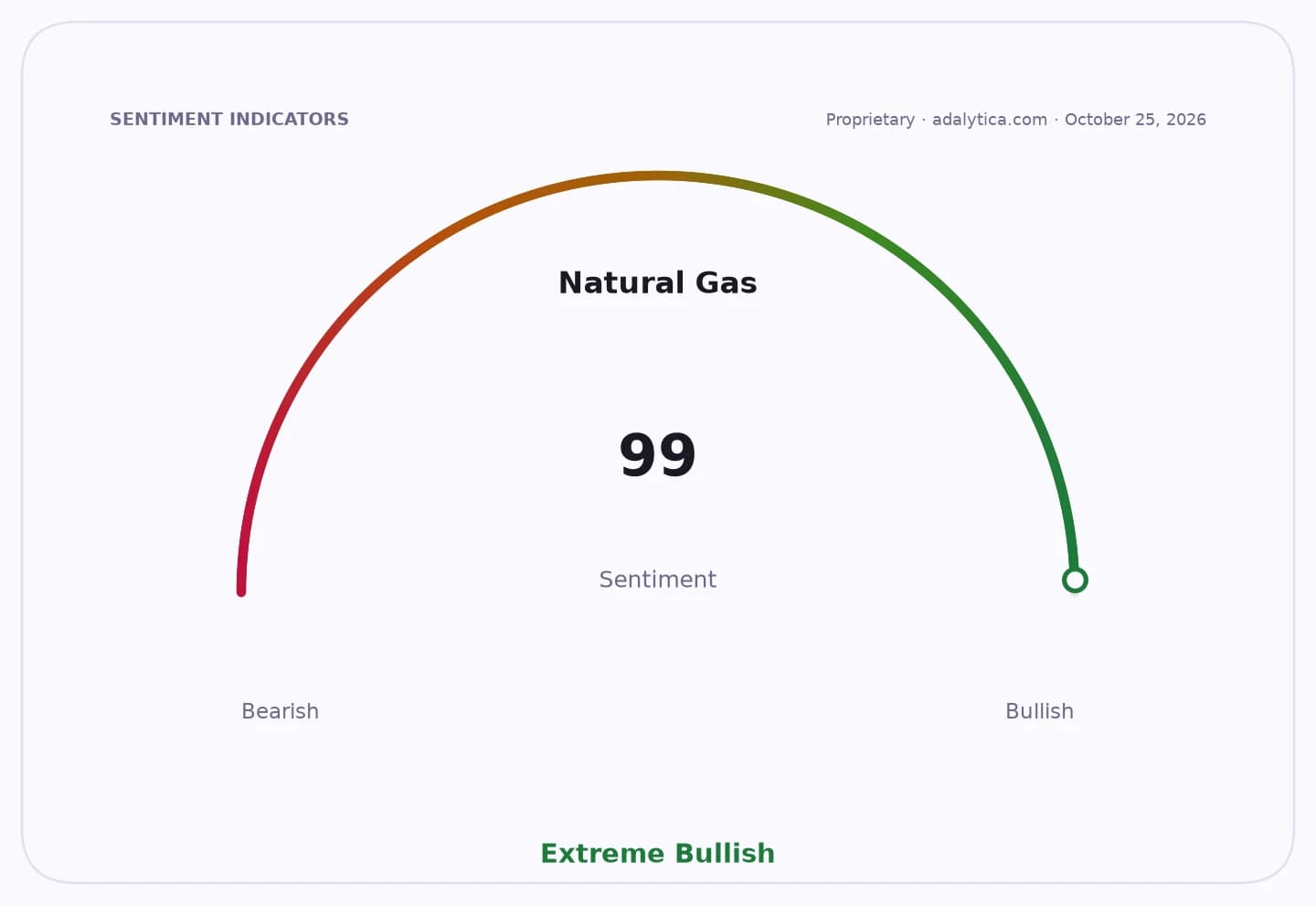
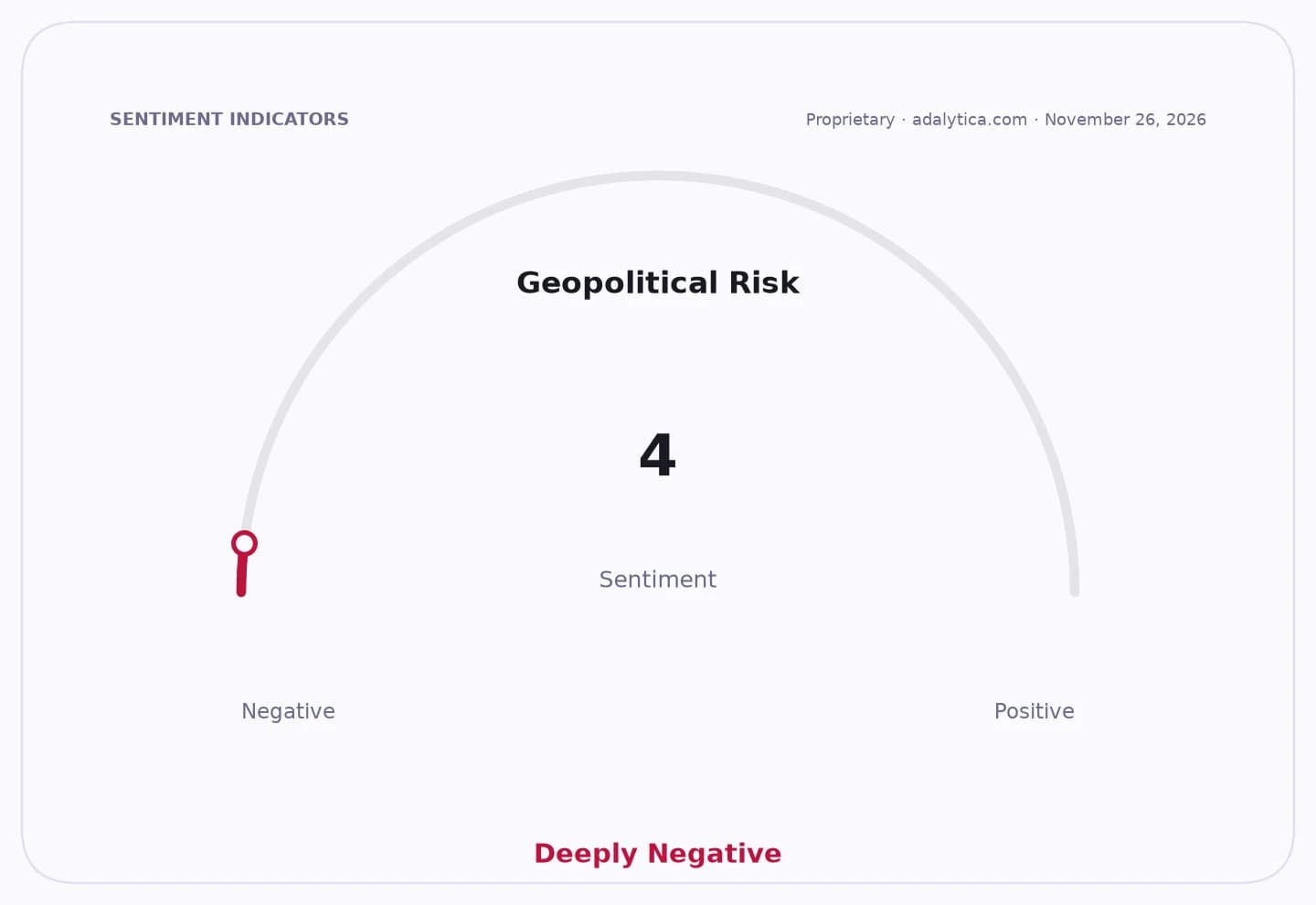
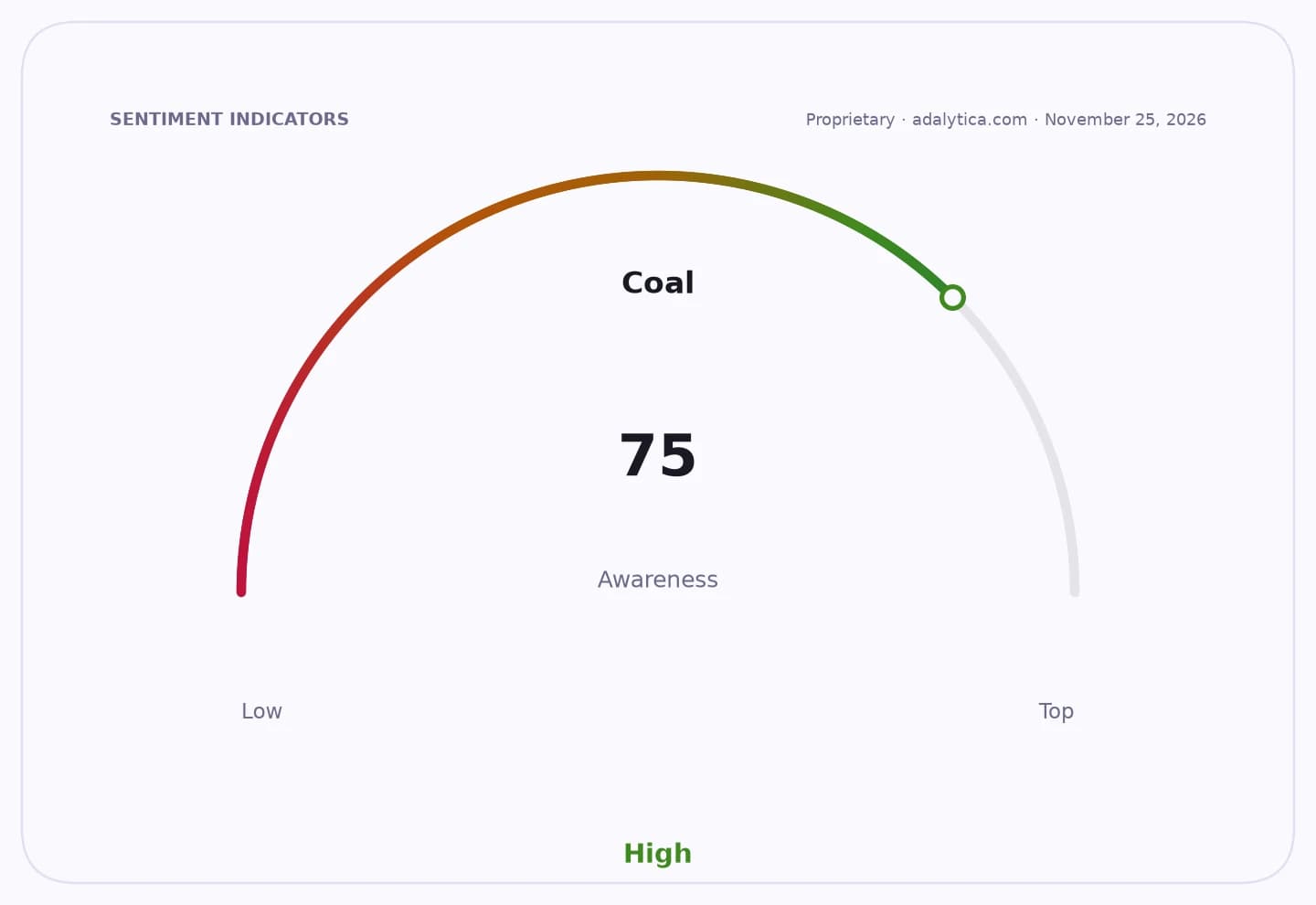
Sentiment Indicators
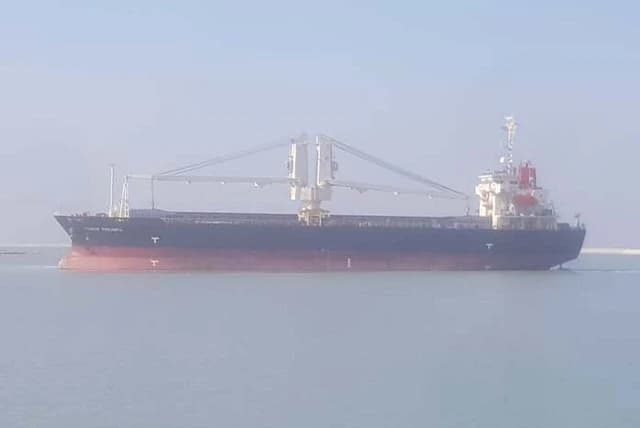
For Bangladesh, the timing is significant. The government has been under pressure to simplify approvals and attract foreign investment as it tries to support growth while managing energy bottlenecks. Prime Minister Tarique Rahman’s office said he urged the delegation to move quickly and instructed officials to provide the necessary support. That kind of political backing is often the difference between an announcement that gathers dust and a project that reaches financial close.
The wider economic logic is straightforward. LNG and LPG import terminals can ease fuel shortages, reduce reliance on expensive spot cargoes and improve the reliability of power supply. That can support industrial output, help contain inflationary pressure from energy disruptions and make Bangladesh a more credible destination for export-oriented manufacturing. In a country where energy availability can determine whether factories run at capacity, infrastructure matters as much as raw demand.
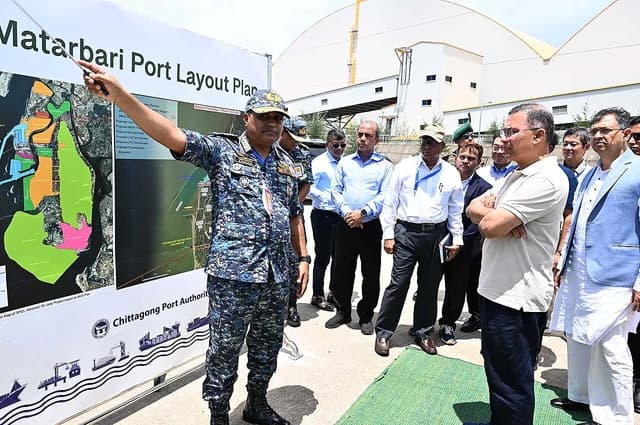
Investors should also notice the signal about Bangladesh’s openness to foreign capital. The delegation included SK Gas Chief Executive Kyunyeol Song and Youngone Corporation Chairman Kihak Sung, underscoring that this is not just about one terminal proposal but about a broader Korean business interest in Bangladesh. If the government can speed up permitting and land or port coordination, Matarbari could become a magnet for follow-on investment in storage, shipping, logistics and downstream industry.
The backdrop is also supportive. Global LNG investment has been picking up as countries seek more secure supply, while import demand remains strong enough to keep new infrastructure relevant. That gives projects like Matarbari a strategic edge: even if fuel prices swing, the long-term need for dependable import capacity is unlikely to disappear. For Bangladesh, that means energy security and industrial competitiveness can advance together if the project is executed well.
For long-term investors, the takeaway is simple: this is the kind of infrastructure story that can compound for years, not quarters. If Dhaka follows through, Matarbari could become a meaningful node in the country’s energy system and a platform for wider foreign investment. Worth watching closely.
| Entity | Gains | Losses |
|---|---|---|
| Bangladesh government | ▲Foreign capital and energy security | ▼Approval bottlenecks if delays persist |
| SK Group / SK Gas | ▲New growth market and terminal assets | ▼Execution and regulatory risk |
| Bangladesh industry and power users | ▲More reliable fuel supply | ▼Continued exposure to shortages if projects stall |
| Spot LNG/LPG importers | ▲Potential long-term capacity expansion | ▼Higher competition from fixed terminal infrastructure |