Indonesia’s seizure of a China-to-Bangladesh cargo ship carrying 405 tonnes of sodium perchlorate is a geopolitical escalation with direct implications for shipping security, export controls and regional defense risk.
Indonesia Seizes China-Bangladesh Cargo Ship
Geopolitical Risk
The shipment matters because sodium perchlorate is a key oxidising agent used in rocket and missile propellants, and Indonesian naval officials said the haul could theoretically support the production of up to 100 missiles. That puts the case well beyond a routine customs violation: it raises the possibility that sensitive dual-use chemicals are moving through commercial maritime lanes into South Asia under cover of ordinary trade.
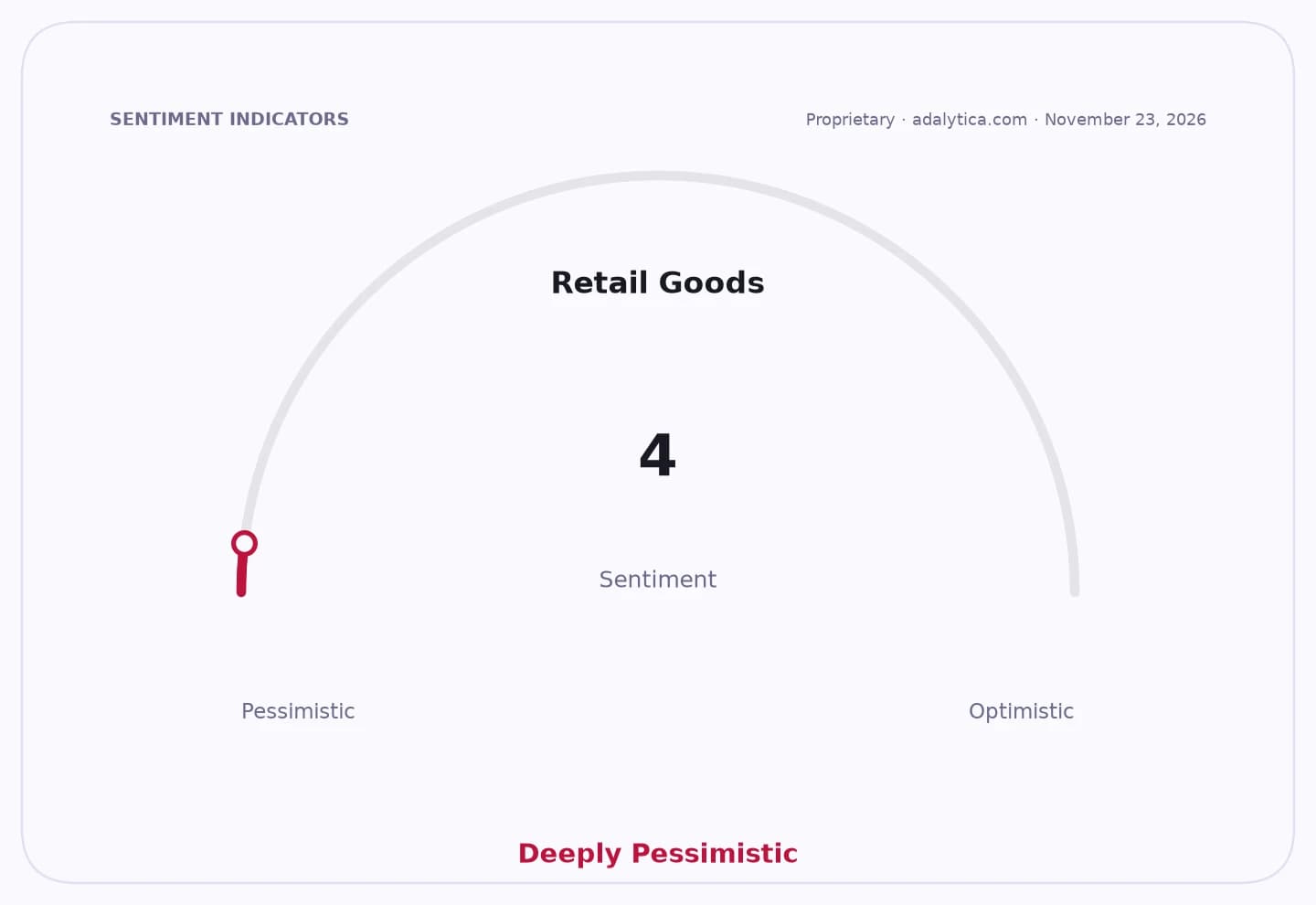
Sentiment Indicators
For investors, the bigger issue is not the seized vessel itself but the signal it sends about scrutiny on China-linked logistics, Bangladesh trade flows and the insurance, compliance and routing risks facing shipping companies operating across the Indian Ocean and Southeast Asia. Containers flagged by naval authorities also reportedly held millions of unregistered SIM cards, adding to concerns that the cargo may have been tied to broader illicit networks rather than a single misdeclared shipment.
The ship, MV Star Line, was intercepted off Belawan in North Sumatra after Indonesian patrols noticed irregular navigation and an unscheduled stop to refuel. Its documents were also found to contain discrepancies, including a registration status marked as suspended. That combination — suspicious routing, paperwork irregularities and strategic cargo — is exactly the sort of event that can force tighter screening of dangerous goods and slow trade across already sensitive routes.
This is the kind of development that rarely stays isolated. If Jakarta hardens inspections, freight forwarders, shipowners and insurers will face higher compliance costs, while Bangladesh’s import channels may come under sharper geopolitical scrutiny. China, meanwhile, faces another data point in the broader argument that its commercial maritime footprint is increasingly being watched through a security lens.
The market takeaway is straightforward: the immediate trade impact may be limited, but the strategic premium on clean documentation, route transparency and defense-related logistics is rising. The best-positioned beneficiaries are firms and insurers with strong compliance systems; the losers are opaque traders, marginal shippers and any route exposed to geopolitical friction.
| Entity | Gains | Losses |
|---|---|---|
| Indonesian Navy | ▲Security credibility | ▼None |
| Compliant shipowners/insurers | ▲Higher risk premium | ▼More scrutiny costs |
| Opaque traders/logistics networks | ▲None | ▼Cargo seizure, investigations |
| Bangladesh importers | ▲None | ▼Delays, regulatory pressure |