Young people leaving care and preparing for independence are falling behind on utility and phone bills not because they lack cash, but because they lack experience turning a bank balance into a working monthly budget.
SK Happiness Foundation study on youth bill budgeting
That is the key finding from a study backed by SK Happiness Foundation, which says some self-reliant youths have money in their accounts yet still miss fixed bills after leaving state protection. The problem, the researchers argue, is not simply financial literacy in the abstract but the sudden shift from supported living to managing rent, utilities and communications costs on their own.
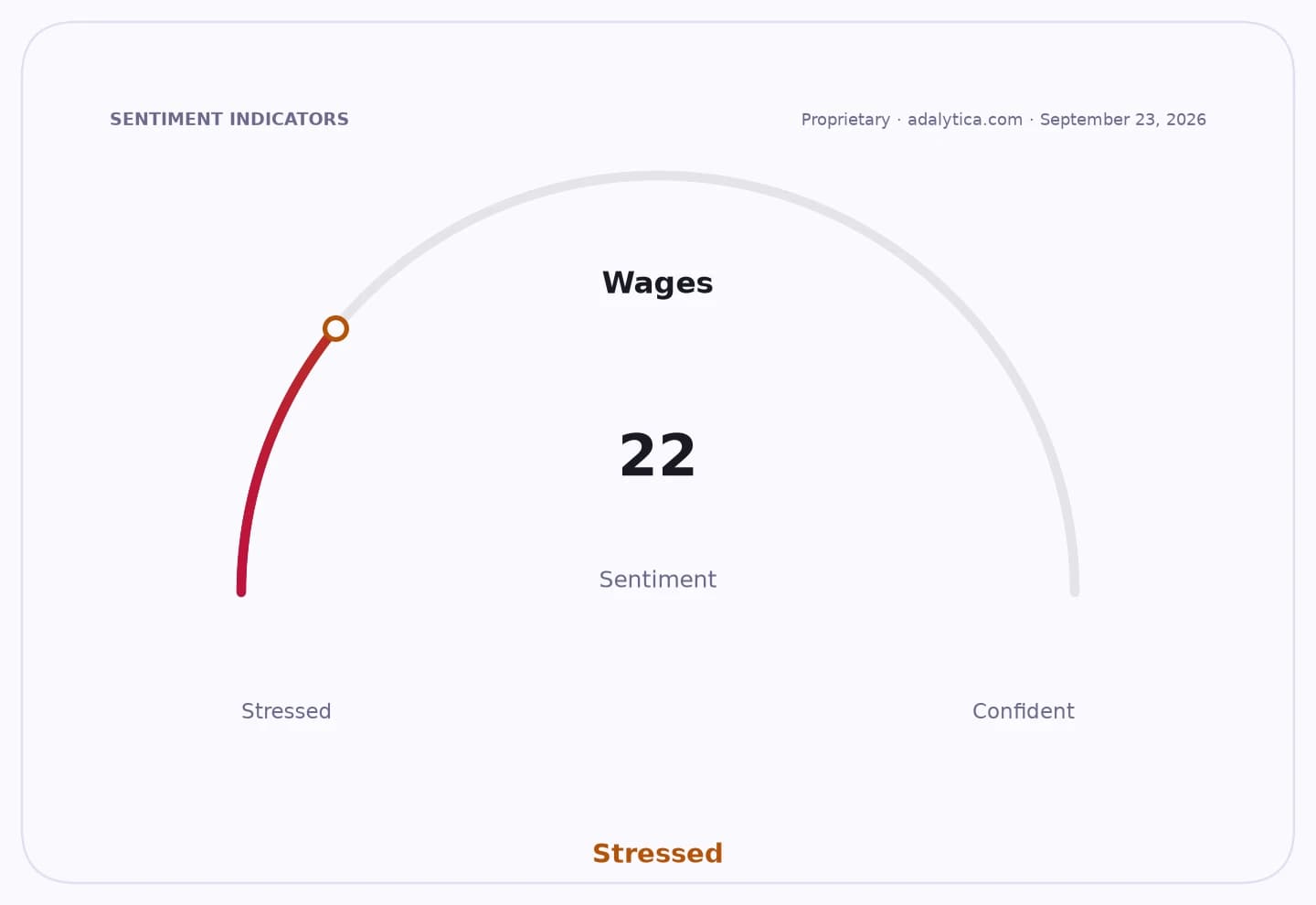
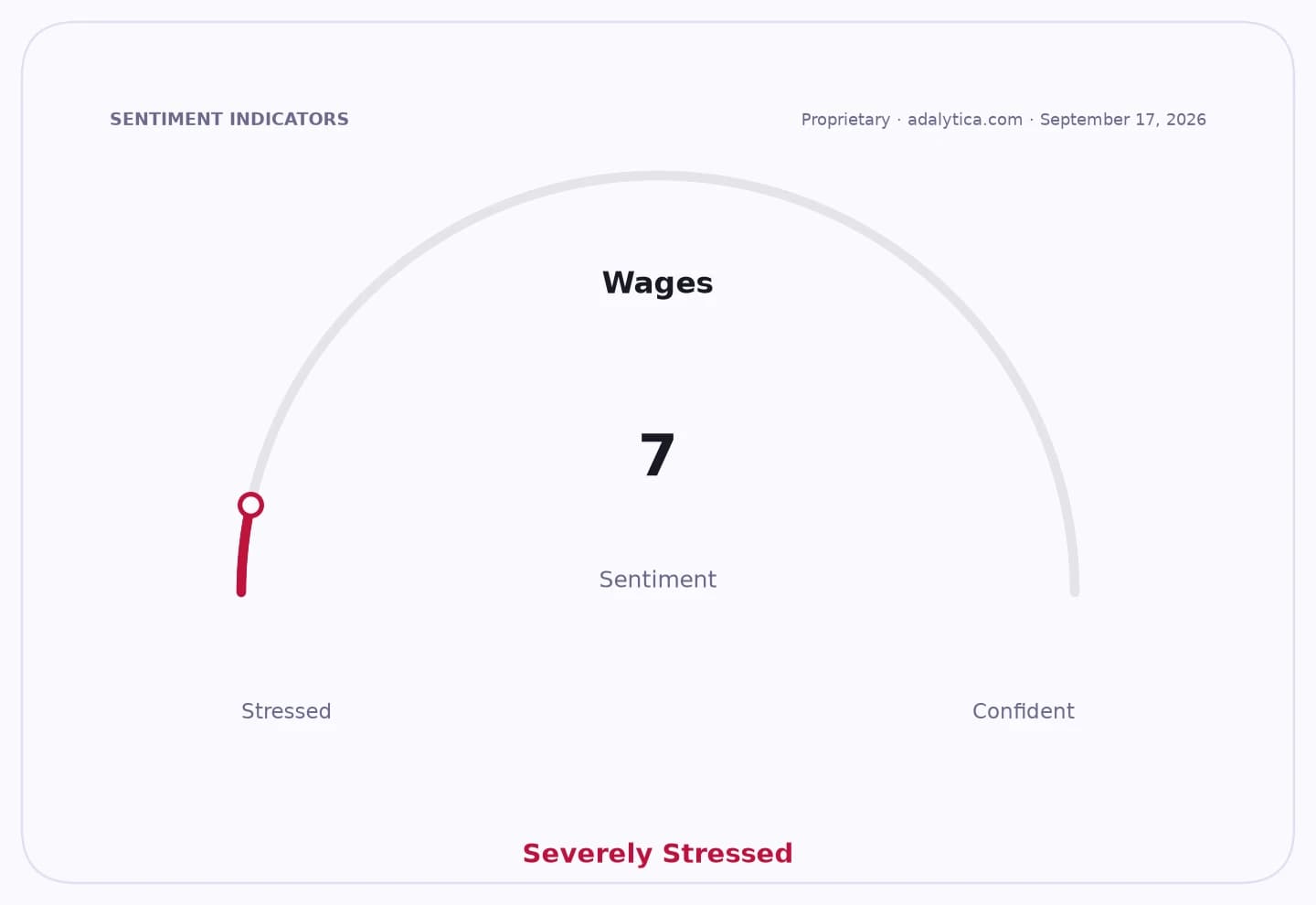
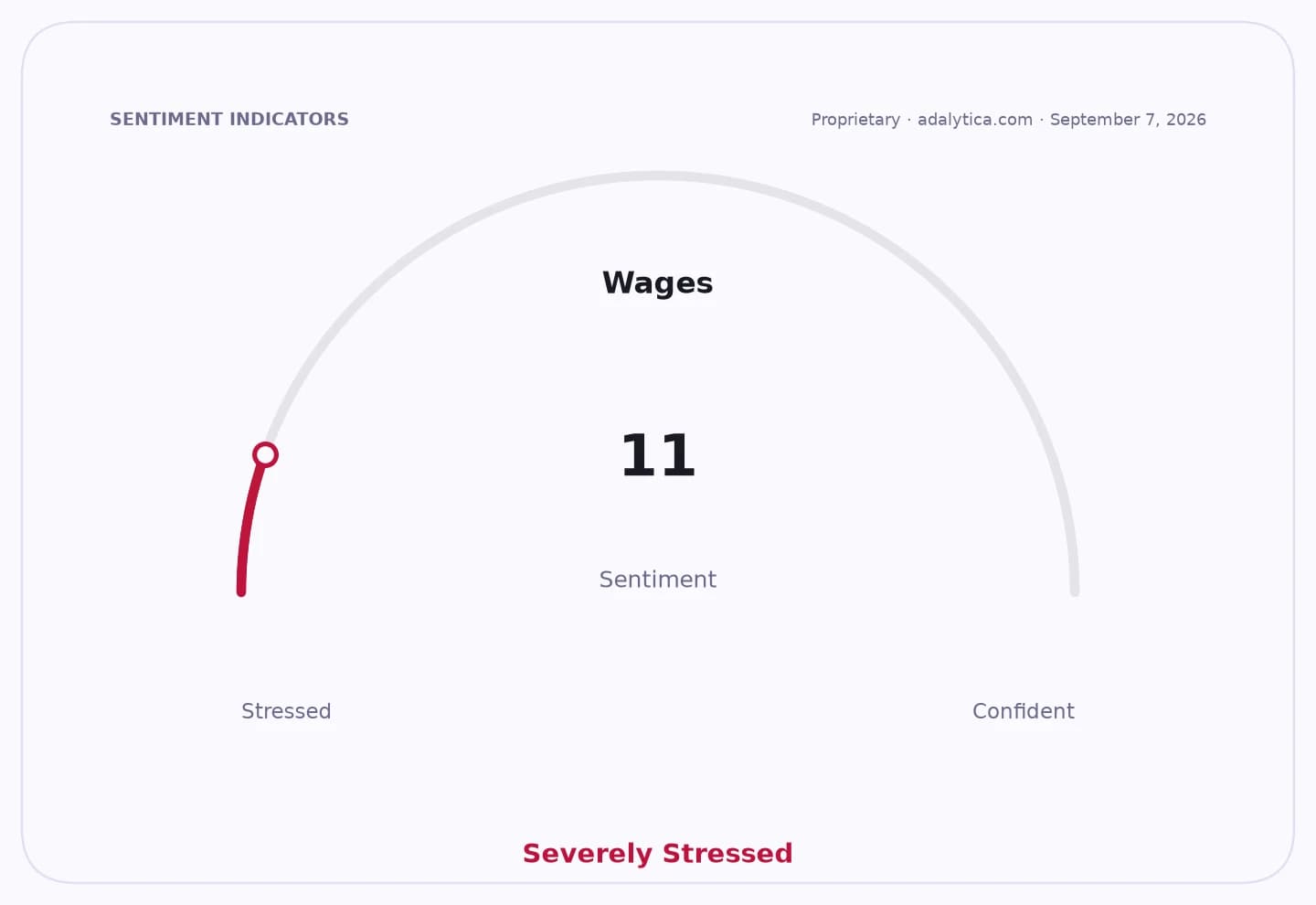
Sentiment IndicatorsⓘProprietary · adalytica.com · September 7, 2026
This is a snapshot — live sentiment, awareness and momentum for 130+ markets update continuously in the dashboard.Open AlphaPulse
The distinction matters economically because overdue electricity, water and telecom payments are an early warning sign of budget stress before it shows up in broader delinquency data. For young adults who age out of foster care or residential support, the move to independence comes with a hard reset: aid may continue, but day-to-day cash-flow management becomes their responsibility almost overnight. Even modest mistakes can snowball into late fees, service disruption and credit damage, making it harder to secure housing, employment and other essentials.
The study, by the “Fore” team in SK Happiness Foundation’s Sunny Scholar program, found that the core issue is a lack of hands-on experience managing living expenses, rather than weak consumption habits or insufficient knowledge alone. The team proposed a spending-management workshop designed to force participants to map monthly income, fixed costs and variable expenses, then calculate their true disposable amount after bills. That approach is aimed at narrowing the gap between account balance and usable cash, a difference many first-time budgeters only learn after penalties accumulate.
For investors, the story is less about a social program than about the durability of consumer payment behavior in a high-cost environment. Utilities and telecoms are among the first recurring bills to be delayed when households misjudge cash available after fixed obligations. In a broader cost-of-living squeeze, that can raise bad-debt risk for essential-service providers and increase pressure on governments and foundations to fund arrears relief, installment plans and energy-bill support.
The timing also fits a wider affordability debate. Governments and utilities across markets are trying to balance price restraint, infrastructure spending and consumer protection, while households face persistent pressure from energy and living costs. In that setting, a six-month rate freeze, efficiency subsidies or installment options may help at the margin, but they do not solve the behavioral problem of how vulnerable consumers budget once support ends.
SK Happiness Foundation’s intervention points to a policy and social-impact thesis: debt prevention may be more effective than arrears collection. If the workshop can reduce fixed-bill delinquencies, it could lower household stress, protect access to services and reduce downstream costs for utilities and welfare systems alike. The open question is whether changing budgeting behavior in a controlled setting translates into fewer missed payments in the real economy, which is the metric that will determine whether the model scales.
| Entity | Gains | Losses |
|---|---|---|
| Self-reliant youth | ▲Better budgeting skills | ▼Late fees and service cuts |
| Utilities and telecoms | ▲Lower arrears risk | ▼Fewer penalty revenues |
| Governments and foundations | ▲More efficient support spending | ▼Higher short-term program costs |
| Households under cost pressure | ▲Greater bill visibility | ▼Cash-flow mismanagement |