Young Swedes are getting their foot in the door at the companies they most want to work for because the labor market still rewards scarce skills, not just degrees — and that is exactly why investors should care.
Skills-First Hiring Benefits Talent Platforms

The most important development is not simply that jobs are available, but that employers are actively reshaping recruitment to match industrial needs, signaling a labor market where the path to coveted roles runs through training, specialization and targeted hiring rather than broad-based graduate intake. That matters economically because it tells us where wage pressure, productivity gains and capital investment are likely to concentrate next: in firms that can secure the right talent first.
Sentiment IndicatorsⓘProprietary · adalytica.com · July 17, 2026
This is a snapshot — live sentiment, awareness and momentum for 130+ markets update continuously in the dashboard.Open AlphaPulse
Sweden is not alone in this shift. Across major labor markets, the old promise that a diploma alone guarantees access to elite employers has weakened. Companies want candidates who can plug into immediate commercial needs, especially in technology, manufacturing, logistics and other capital-intensive sectors where the return on each hire is measurable. That creates an advantage for young workers who can prove job-ready skills, but it also widens the gap between firms that can build talent pipelines and those stuck competing on salary alone.
The broader macro picture is still constructive. U.S. unemployment is hovering around 4.2%, with the latest forecast pointing to 4.18%, while nonfarm payrolls continue to edge higher toward 159 million. That is not the backdrop of a collapsing jobs market. It is a labor market that remains tight enough to keep employers selective, yet stable enough to keep expansion plans alive. In that environment, the companies winning the best candidates gain a durable edge in execution.
For investors, that is the real trade. The market often underestimates how much hiring strategy can compound into operating performance. Businesses that align training with industrial demand can scale faster, reduce turnover and avoid the wage inflation that comes from chasing talent in a shortage. That is a hidden margin lever. It also creates a second-order winner set: universities, vocational programs, staffing platforms, recruitment software, and companies that invest heavily in apprenticeships and internal upskilling.
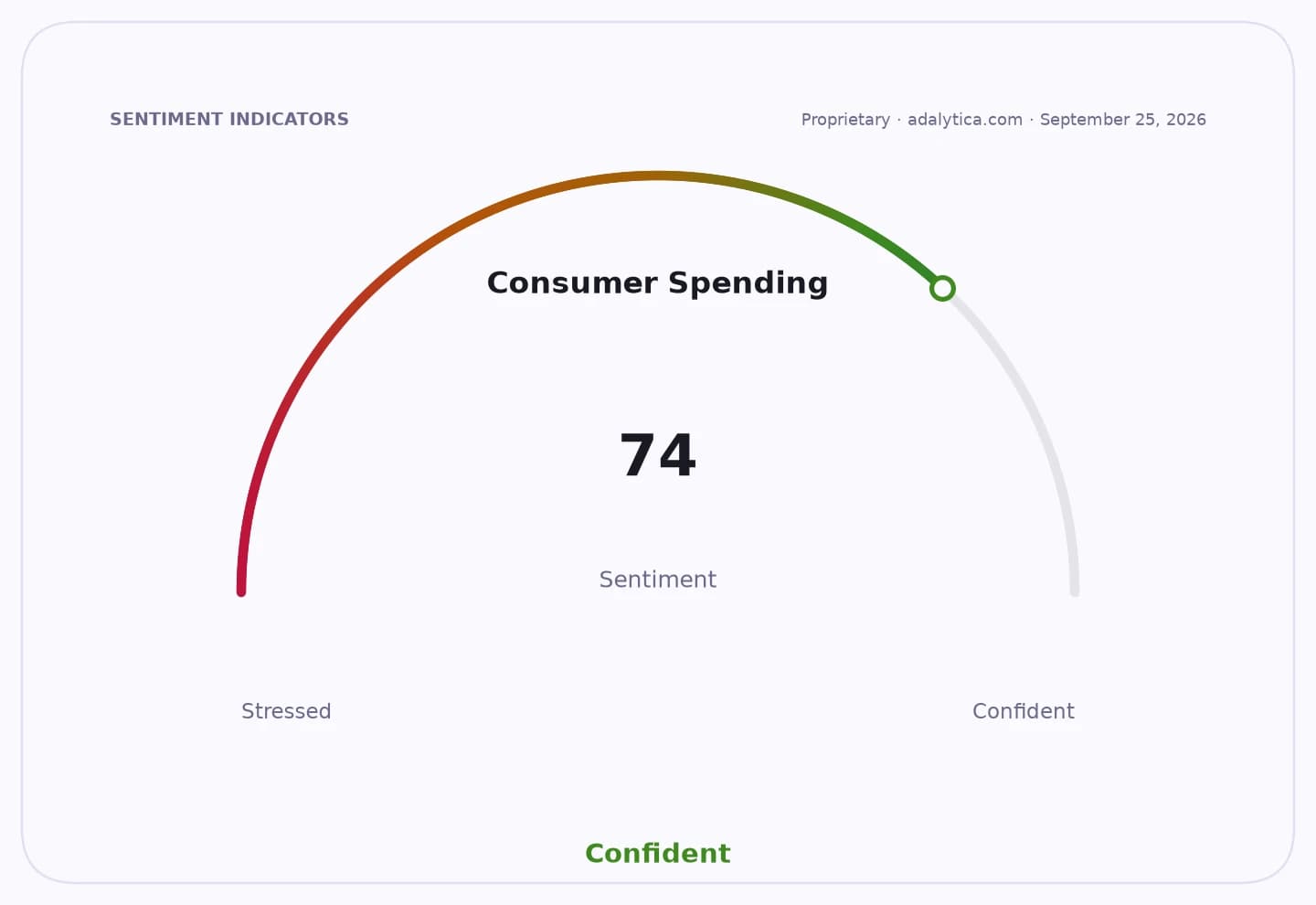
The recent jump in job-market sentiment tracked by Adalytica — now at 81, in “Greed” territory — suggests confidence around employment remains strong even as consumer confidence tied to recession fears is fragile. That mix is important. It says workers still believe opportunity exists, but households remain uneasy about the economy. In markets, that often favors businesses tied to career mobility, training, and labor-market infrastructure over cyclical employers that depend purely on broad consumer strength.
The strategic takeaway is straightforward: the dream-job market is no longer about who advertises the flashiest brand. It is about who can convert skills into productivity fastest. That is where the asymmetric opportunity sits. If you are an investor, look for the toll roads of the new labor economy — platforms, training providers, industrial recruiters and firms with the deepest talent pipelines — because in a tighter, more selective labor market, access to workers is becoming a competitive moat.
| Entity | Gains | Losses |
|---|---|---|
| Talent-rich employers | ▲Better hires, lower turnover | ▼Firms with weak pipelines |
| Young skilled workers | ▲Faster access to top jobs | ▼Generic degree holders |
| Training and recruitment platforms | ▲Higher demand for services | ▼Traditional hiring channels |
| Investors in labor infrastructure | ▲Margin and productivity upside | ▼Companies facing wage pressure |