Slovenia’s households look wealthier on paper than the euro-area average, but the real story is how narrowly that wealth is built: mostly on homes, land and deposits rather than on diversified financial assets.
Slovenia Household Wealth Tied to Housing
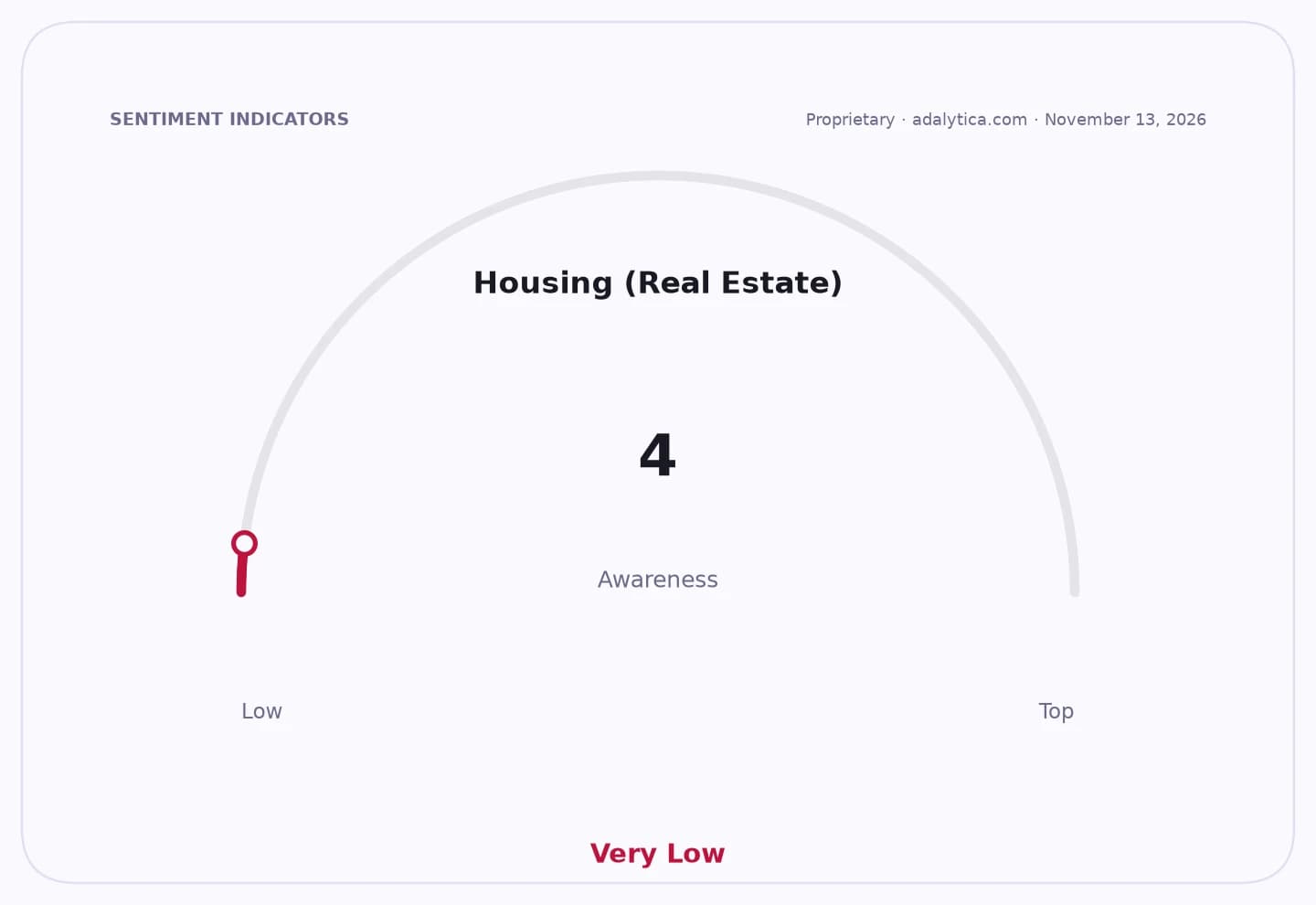
Housing (Real Estate)
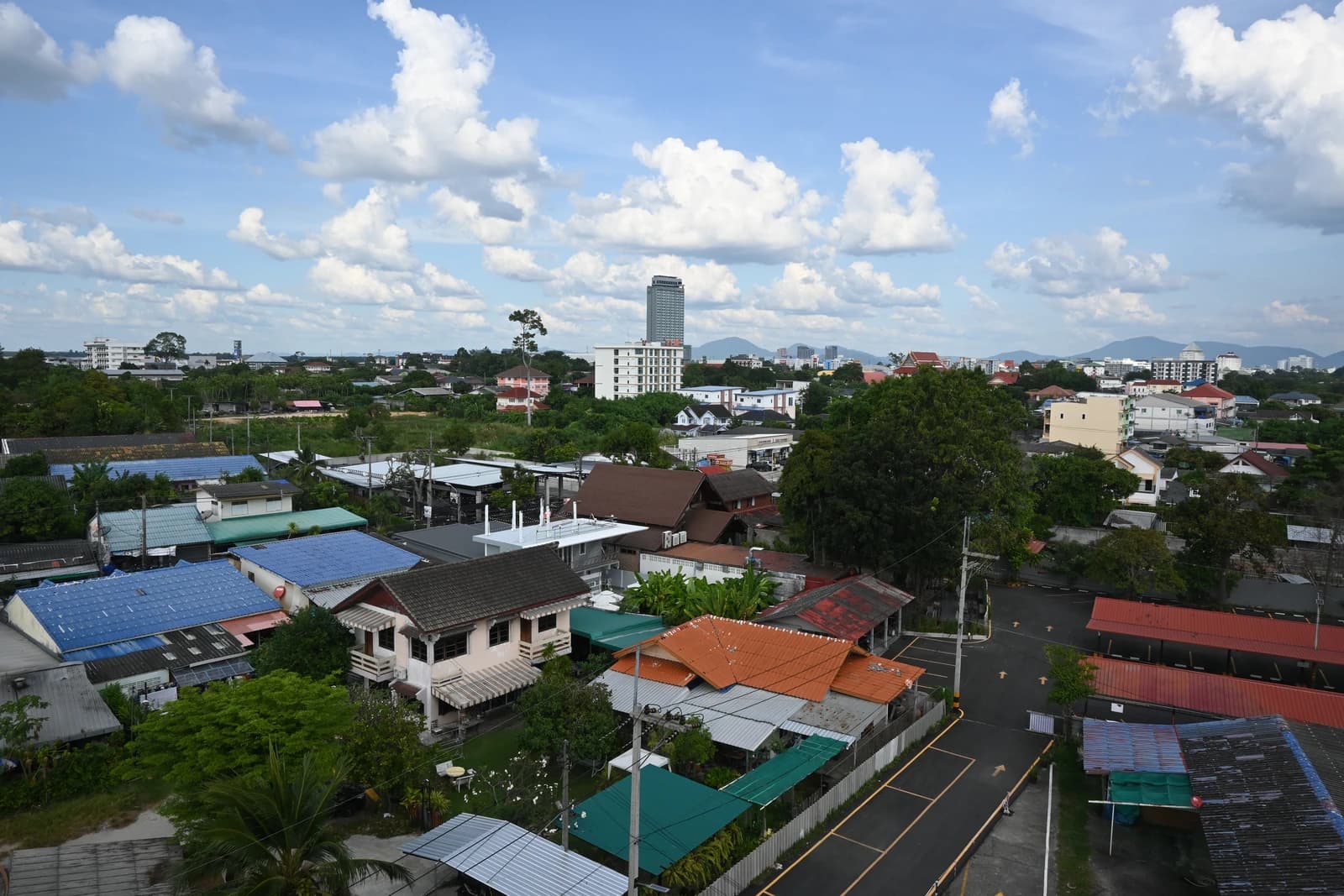
That matters because a balance sheet anchored in real estate leaves household wealth, consumption and even financial stability tied to property prices. It also means Slovenia’s economic resilience is shaped less by the ups and downs of equities and more by the state of the housing market, which can lift net worth quickly — and erase it just as fast.
Sentiment Indicators
The Bank of Slovenia’s 2023 household survey found that nearly 860,000 households control more than 100 billion euros in financial assets, equal to about 22% of the country’s total financial wealth. The median household net worth came to 155,000 euros, slightly above the euro-area average, while the mean was 234,000 euros, showing how higher-wealth families pull the average upward.
More important for the macro picture, Slovenia sits in the lower third of euro-area countries on wealth inequality. The richest 10% of households hold 41% of total wealth, while the poorest half holds 13%. In the euro area overall, the top 10% typically controls more than half of household wealth.
But the asset mix is what sets Slovenia apart. Real estate accounts for 73% of household wealth, far above the euro-area norm, while financial assets make up just 8%, the biggest gap versus peers. That means rising home prices can inflate household net worth, but it also exposes the economy to property-market swings and makes wealth less liquid than in countries with larger stock and fund ownership.
For investors, that composition matters beyond Slovenia’s borders. It points to steady demand for bank deposits and a cautious savings culture, but relatively limited participation in capital markets. It also suggests that any policy or rate shift affecting mortgage affordability, housing supply or property valuations will ripple through household confidence and spending.
The upside is that Slovenian households are not heavily levered. Only about a quarter report debt, and just over 9% carry mortgage debt. Roughly 97% have bank deposits, which gives families a buffer in a downturn, even if many still rely on savings rather than borrowing when money runs short.
For long-term investors, the takeaway is simple: Slovenia’s household wealth base is resilient, but not especially diversified. That can support stability, yet it also means future gains will depend heavily on housing values and the broader strength of the domestic economy. Worth watching, especially if you believe the next decade will reward countries with healthier balance sheets and better asset diversification.
| Entity | Gains | Losses |
|---|---|---|
| Slovenian homeowners | ▲Rising net worth from property gains | ▼Exposure to housing-price declines |
| Banks | ▲Stable deposit base | ▼Limited fee and lending growth |
| Diversified equity investors | ▲Less relevant in Slovenia’s household mix | ▼Smaller domestic capital-market participation |
| Policymakers | ▲Easier read on household resilience | ▼Greater sensitivity to property cycles |