Small-business group medical insurance is drawing renewed attention as employers face stronger pressure to offer health coverage in a tighter labor market, a shift that is supporting managed-care shares even as the sector wrestles with mixed membership trends and cost inflation.
Small-Business Coverage Demand Lifts Managed Care

The most important development is not a single policy change but the broadening demand for employer-sponsored health benefits, especially among smaller firms trying to compete for workers without matching large-company pay. That matters economically because small businesses make up a large share of U.S. employment, so any step-up in group medical insurance adoption can ripple through premium growth, medical-cost trends and provider reimbursement across the healthcare system.
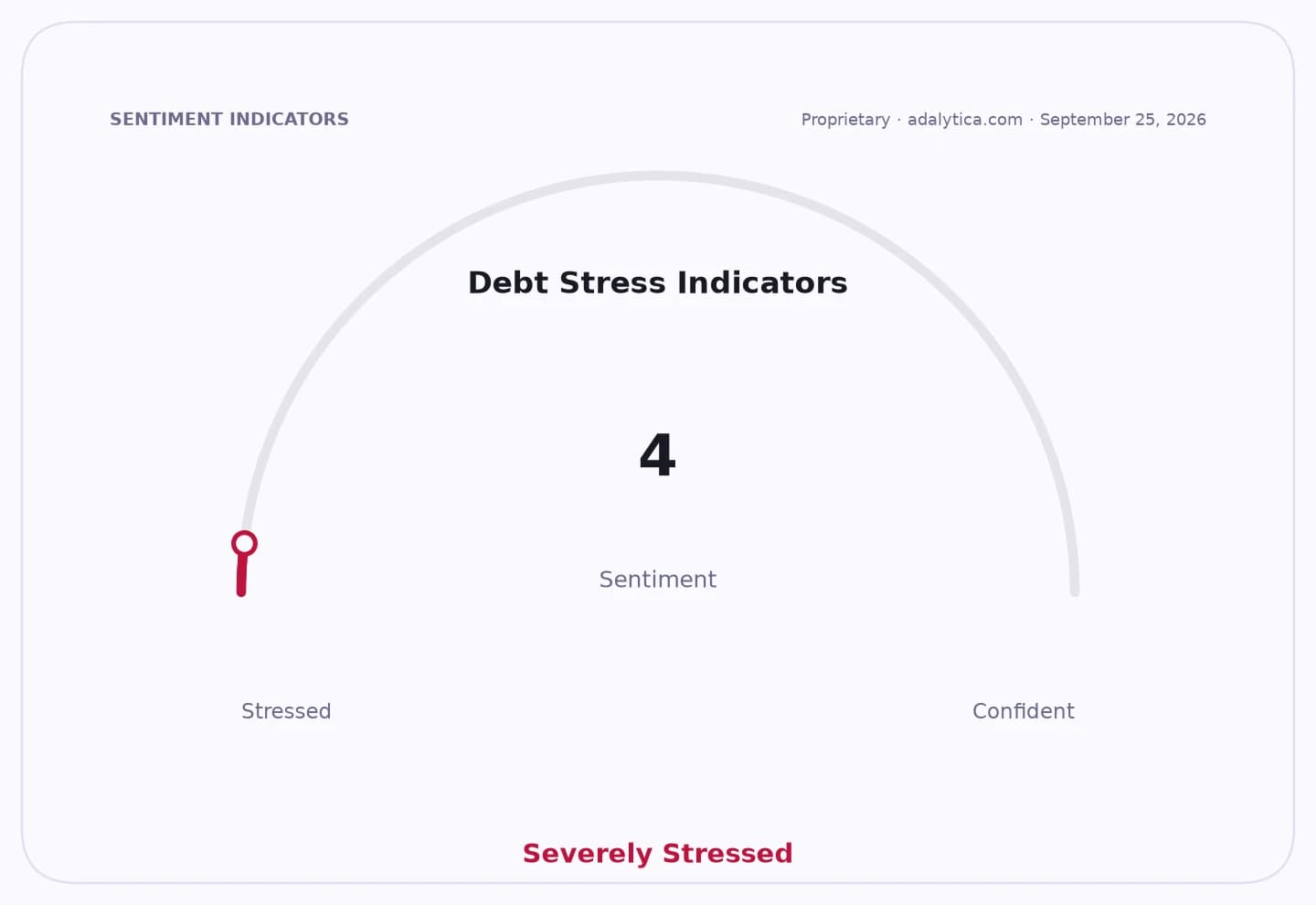
Sentiment IndicatorsⓘProprietary · adalytica.com · July 24, 2026
This is a snapshot — live sentiment, awareness and momentum for 130+ markets update continuously in the dashboard.Open AlphaPulse
The market is already signaling that investors are paying close attention. UnitedHealth Group, the sector bellwether for commercial and employer plans, has rebounded sharply from February lows, with the stock rising to 423.56 on July 23 from 264.96 on Feb. 5. Its 50-day moving average now sits above its 200-day line, while momentum gauges such as RSI have cooled from overbought levels, suggesting a strong but no longer one-way move. Cigna has also stabilized near 286, roughly in line with its 50-day average, after a volatile spring.
That price action reflects a market that is trying to distinguish between cyclical pressure and structural demand. On one hand, employers are still sensitive to healthcare inflation and wage costs, a tension highlighted by Adalytica’s wage-inflation sentiment remaining elevated even as consumer-spending sentiment has weakened. On the other, healthcare coverage remains a sticky benefit, especially when workers increasingly view insurance as part of the compensation package rather than an optional perk.
The underlying industry data support that view. Elevance Health’s latest filing showed employer group fee-based medical membership rising 1.7% year on year to 20.93 million at June 30, even as risk-based commercial membership fell. That split suggests companies are still buying access to managed care and administrative services, but are increasingly leaning on structures that help control risk. Cigna’s healthcare business also continued to expand, with total medical customers rising 2% to 18.33 million in its April filing.
For insurers, the small-business segment can be attractive because it offers recurring premium revenue and, in some cases, better pricing power than highly commoditized individual plans. For employers, it is a trade-off: richer benefits can improve retention and recruiting, but they add to fixed costs at a time when firms are still juggling slower demand, wage pressure and uncertainty over medical trend.
The bull case for the sector is that small businesses will keep upgrading benefits as labor remains tight and employee expectations rise. The bear case is that affordability wins out, forcing owners to shift more costs onto workers, trim plan richness or move to exchange-based coverage if premiums keep climbing.
For investors, the key question is whether the current demand trend proves durable enough to offset utilization pressure and margin risk. If group medical coverage for small businesses continues to expand, that should support premium growth for major managed-care names and their brokers. If employers start pulling back, the benefit mix could shift toward lower-margin offerings and dampen the valuation case for the sector.
| Entity | Gains | Losses |
|---|---|---|
| Small businesses | ▲Better hiring tool | ▼Higher benefit costs |
| Managed-care insurers | ▲Premium growth | ▼Margin pressure from medical inflation |
| Workers | ▲Broader coverage access | ▼Less wage flexibility |
| Employers without coverage | ▲Competitive disadvantage | ▼Talent retention risk |