South Africa’s inflation slowdown to 4.3% in July gives the Reserve Bank more room to keep policy steady after months of sticky price pressures, even as food costs eased to their lowest pace in 16 years.
South Africa inflation slows to 4.3% in July
The drop from 5.0% in June was the first decline in five months and took headline consumer price growth well inside the central bank’s 3%-6% target band. That matters economically because it reduces the risk that households, already squeezed by weak real income growth and high borrowing costs, face another round of broad-based price acceleration. It also eases pressure on policymakers who have spent much of the past year balancing inflation control against a fragile growth outlook.
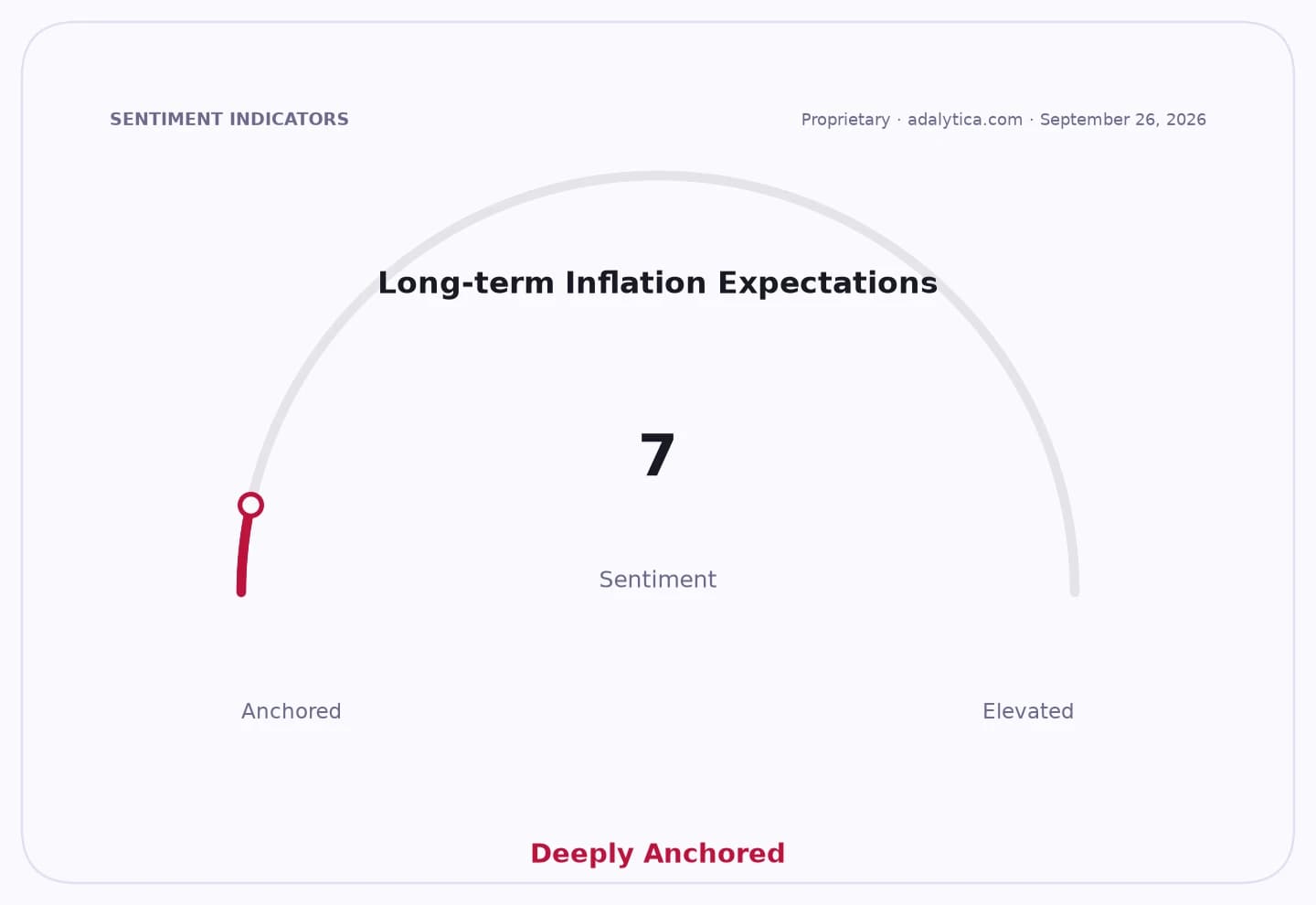
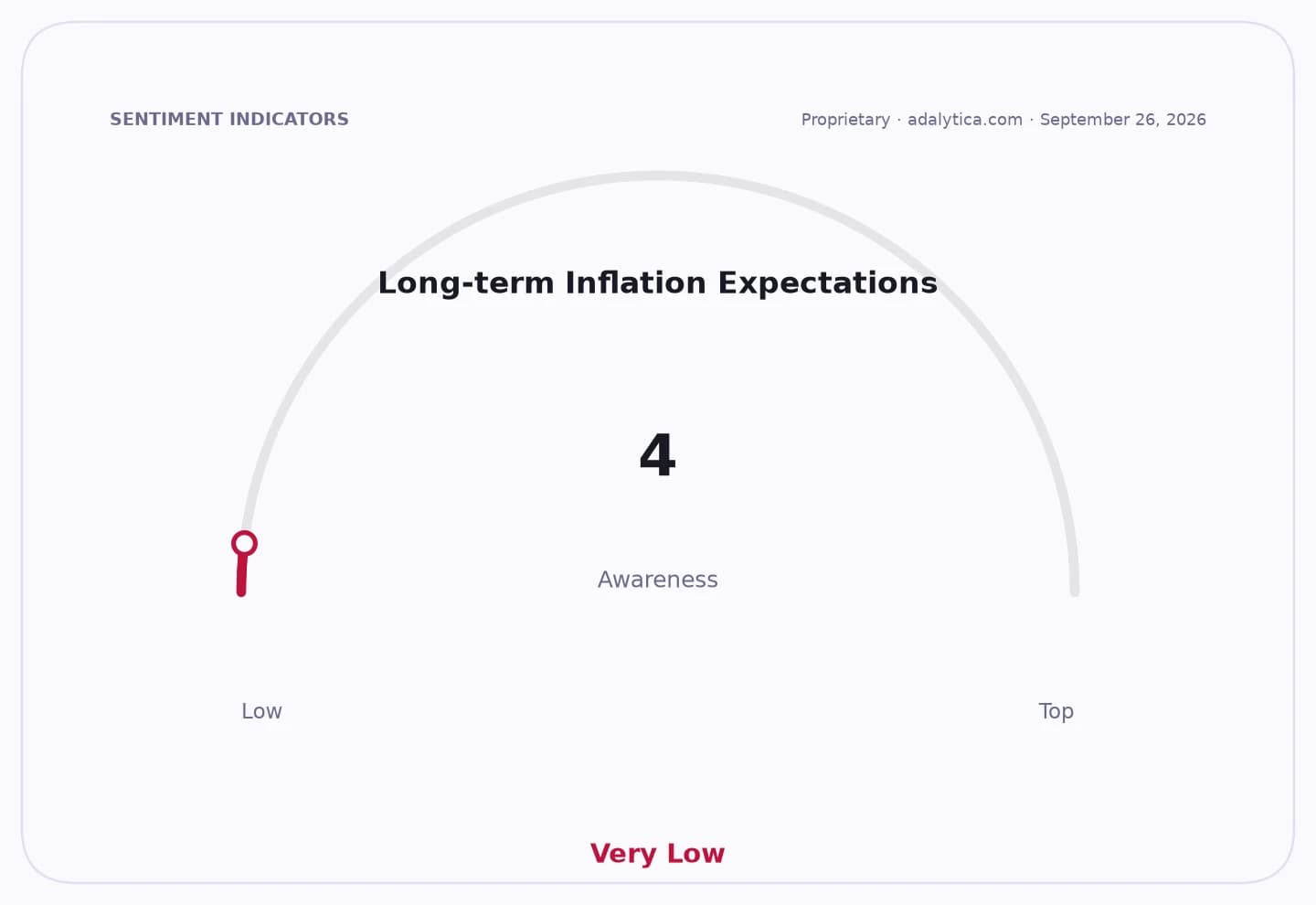
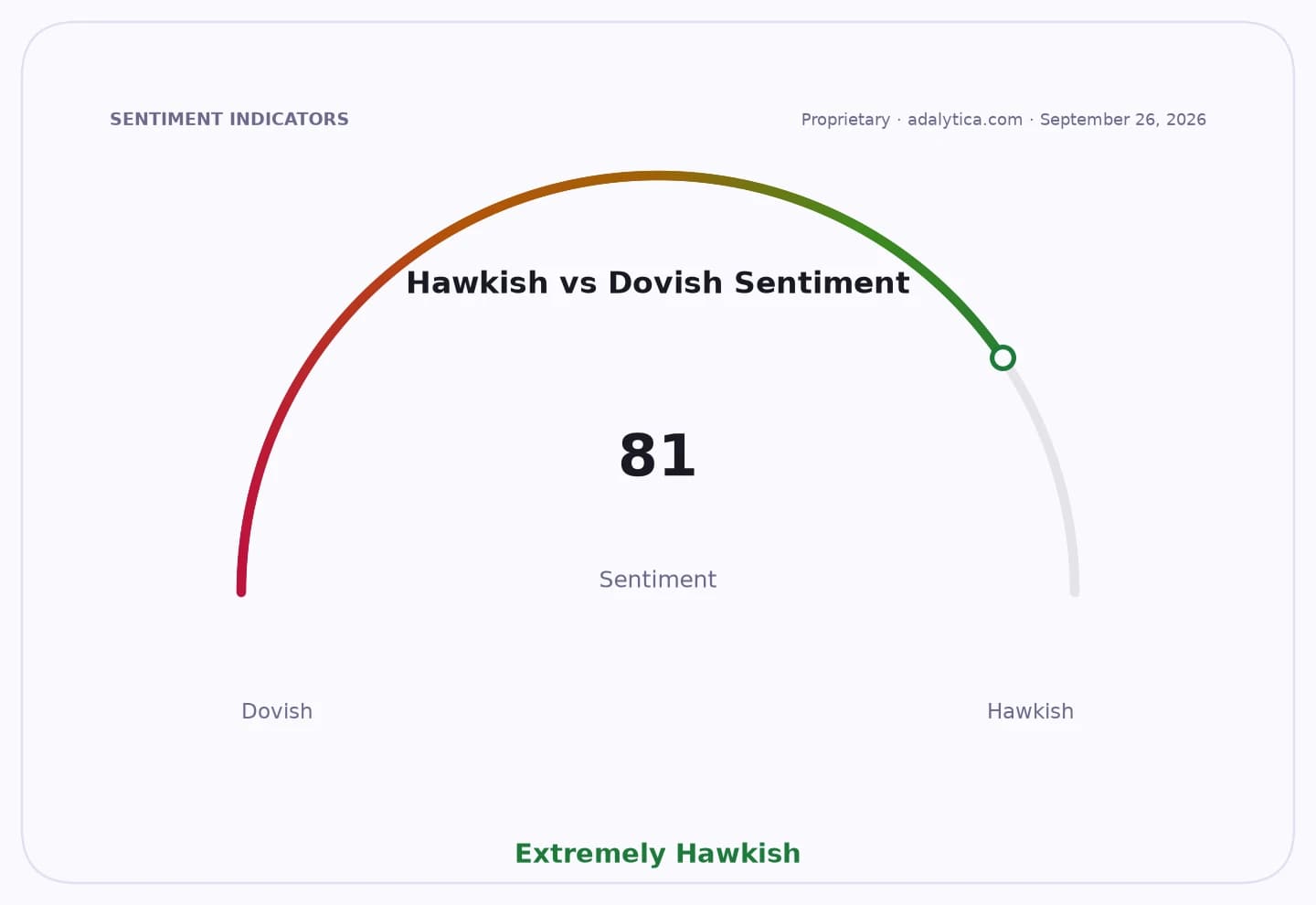
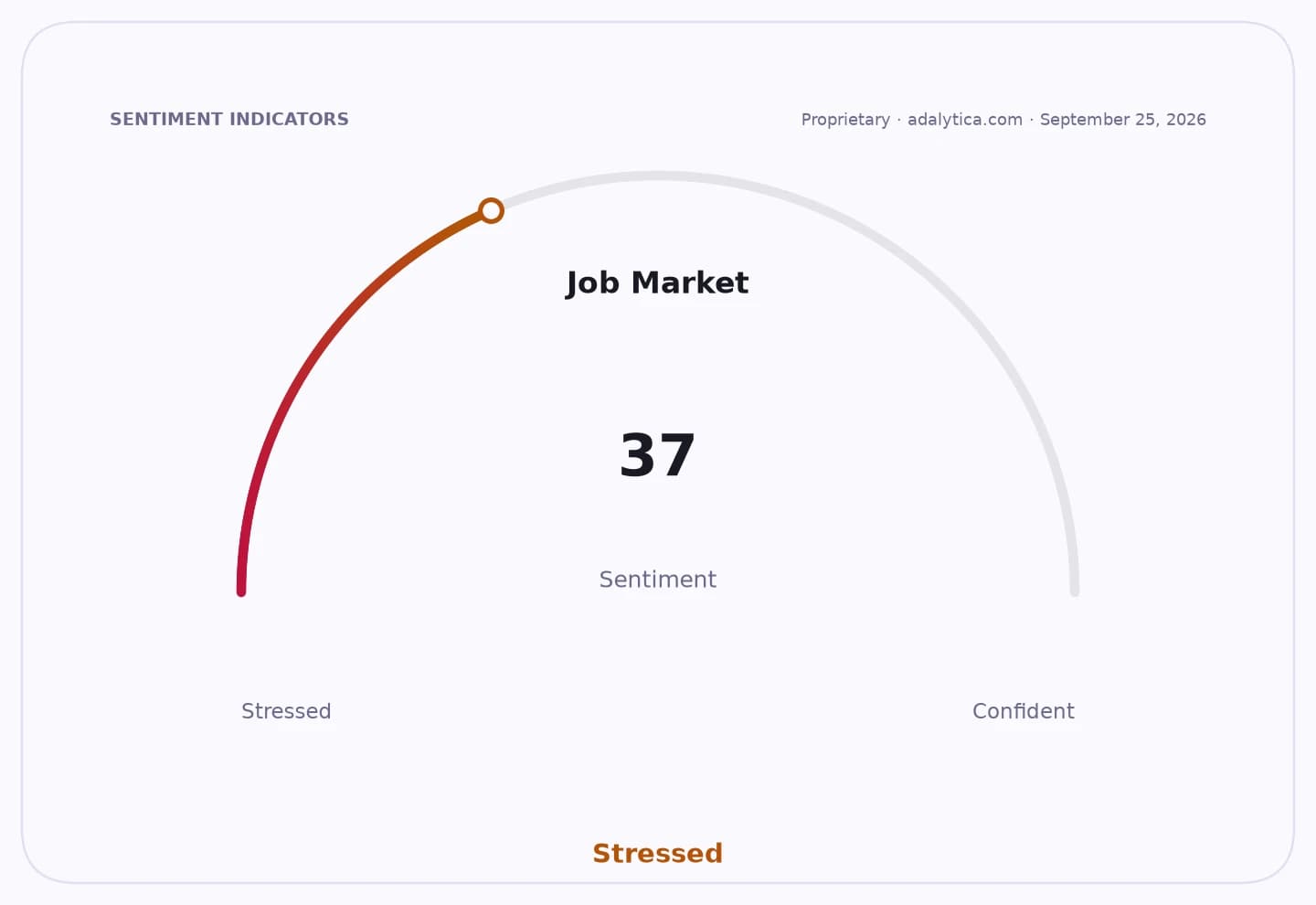
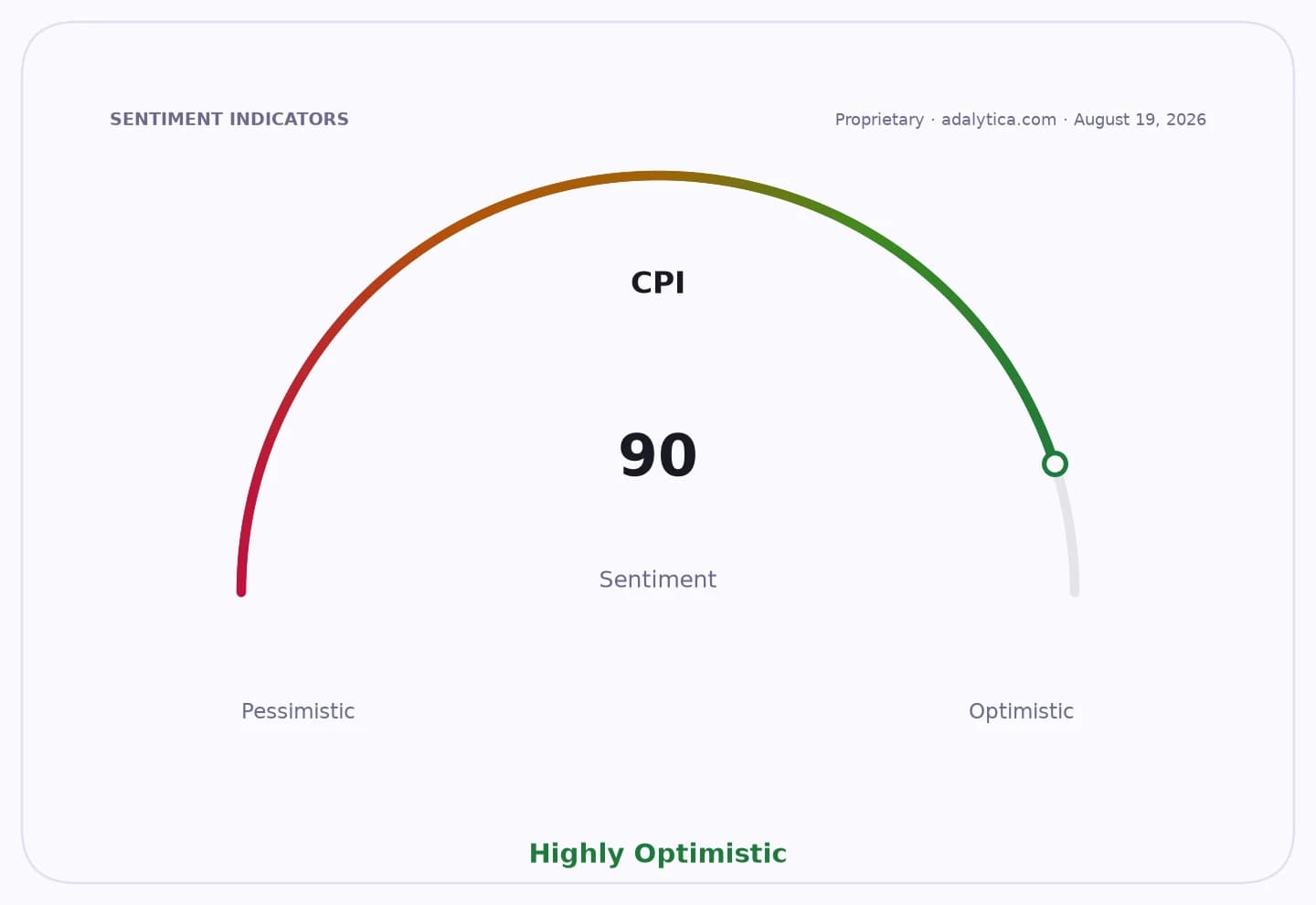
Sentiment IndicatorsⓘProprietary · adalytica.com · August 19, 2026
This is a snapshot — live sentiment, awareness and momentum for 130+ markets update continuously in the dashboard.Open AlphaPulse
Food inflation was the clearest driver of relief, a meaningful development in a country where lower-income households spend a larger share of income on groceries and basic staples. Softer food prices tend to feed through quickly to consumer sentiment and reduce the pace at which inflation expectations become entrenched. In practice, that can help limit second-round effects in wages and services, which are far more difficult for the central bank to reverse.
The data also comes as markets have been closely watching whether South African inflation will stay anchored enough to support real rates and preserve the rand’s appeal. The currency has been relatively stable ahead of the release, suggesting investors had not priced in an inflation surprise that would force a more aggressive policy response. A cooler print strengthens the case for the central bank to hold rates at restrictive levels rather than tighten further, especially with growth still uneven.
Still, the case for complacency is limited. The latest reading reflects a moderation in the pace of price increases, not outright deflation, and South Africa remains exposed to imported inflation from fuel, global shipping and exchange-rate swings. A rebound in oil would quickly challenge the disinflation story, and the recent rise in Treasury yields shows markets are still demanding compensation for inflation risk. The 10-year US Treasury yield, while not a direct South African indicator, underscores the broader global backdrop of elevated real-rate sensitivity and the cost of keeping policy tight for longer.
For investors, the immediate implication is that South African bonds and rate-sensitive assets may find support if inflation continues to drift lower and the central bank signals confidence that price growth is contained. Retailers and consumer-facing companies could also benefit if food inflation keeps easing, because disposable income pressure would start to loosen at the margin. The opposite is true for exporters and commodity-linked businesses if a stronger rand follows better inflation credibility.
The key question now is whether July marks the start of a durable disinflation trend or just a temporary dip driven by food prices. If the next few prints confirm that core inflation is also softening, South Africa’s policy path could shift from restrictive to neutral sooner than expected. If not, the central bank will likely keep rates elevated and demand further evidence before rewarding markets with easier financial conditions.
| Entity | Gains | Losses |
|---|---|---|
| South African households | ▲Lower grocery pressure | ▼Inflation anxiety eases |
| Reserve Bank | ▲More policy flexibility | ▼Less need to tighten |
| Bond investors | ▲Better inflation outlook | ▼Less rate shock risk |
| Retailers/consumers | ▲Stronger real spending power | ▼None if food relief persists |