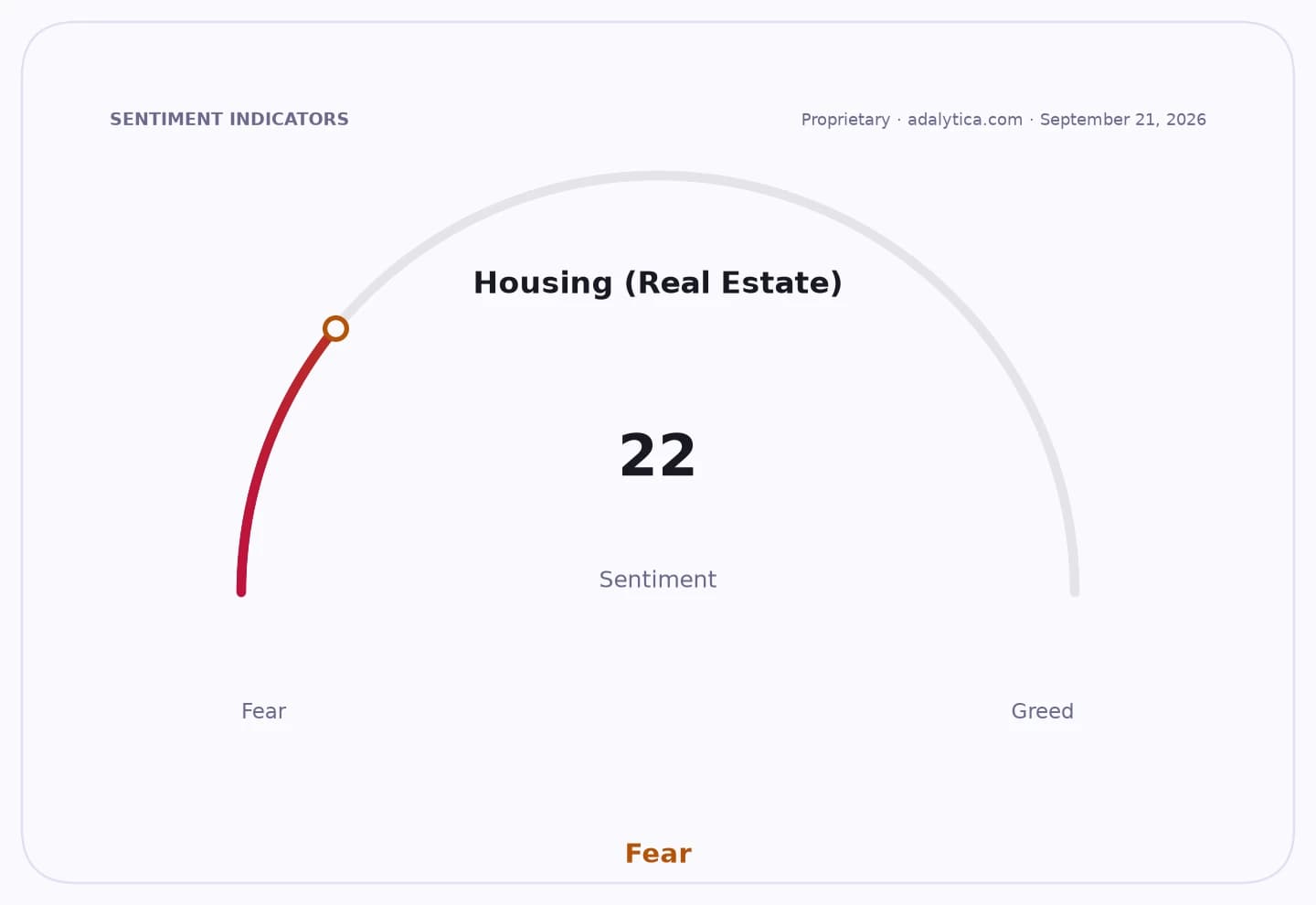
Household lending growth at South Korean banks slowed for a second straight month in August, but a renewed pickup in mortgage borrowing shows the country’s housing market is still driving credit demand and that policymakers are not yet seeing a clean stabilization in household debt.
South Korean Bank Household Loan Growth Slows in August

The balance of household loans at deposit-taking banks rose 3.4 trillion won to 1,198.3 trillion won at the end of August, the smallest monthly increase since April and down from 5.5 trillion won in July, according to the Bank of Korea. Mortgage loans, however, climbed 4 trillion won, a faster increase than the 3.5 trillion won gain in July, while other household loans fell 600 billion won as credit lending weakened and retail stock investing cooled.
That split matters because South Korea’s household debt remains one of the economy’s biggest vulnerabilities. Slower overall loan growth may ease pressure on banks and regulators, but a mortgage-led rebound suggests underlying housing demand — especially in the Seoul metropolitan area — is still firm enough to keep credit expansion alive. For the BOK and financial regulators, that complicates the case for saying August measures on real estate are already biting.
Deputy director Lee Seung-yeop said mortgage balances rose on the back of higher housing transactions in May and stronger balance payments tied to apartment move-ins between July and August. He added that it was too early to judge household borrowing had entered a stabilization phase, and said the impact of the government’s August real estate measures still needs to be watched. The mix of rising mortgage balances and falling other loans also points to a shift in borrowing composition rather than broad-based deleveraging.
At the same time, the data show banks are tightening around more discretionary credit. Other loans fell after stock investment activity slowed and lenders stepped up management of credit lines. Across the broader financial sector, household loans rose 2.6 trillion won in August, down from 6.4 trillion won in July, while mortgage lending still expanded by 4.3 trillion won. That means the cooling is real, but it is concentrated outside housing finance.
The credit backdrop is also being shaped by funding flows. Bank deposits swung back to a slight increase, with time deposits jumping 20.3 trillion won, while asset managers saw a 23.5 trillion won inflow as equity funds rebounded. That suggests households and investors are still splitting their money between property, deposits and equities rather than moving decisively into cash, a pattern that keeps liquidity conditions in motion even as loan growth moderates.
For investors, the read-through is mixed. A slower pace of household borrowing is constructive for bank credit quality and may reduce the chance of tighter macroprudential action if it persists. But continued mortgage demand, especially in the Seoul region, supports housing-related lenders and real-estate activity while keeping the risk of fresh regulatory pressure on the table. The next test is whether August’s housing curbs and still-high borrowing costs start to curb mortgage demand more visibly in the coming months.
| Entity | Gains | Losses |
|---|---|---|
| South Korean regulators | ▲Easier to argue moderation | ▼Harder to claim stabilization |
| Banks with mortgage exposure | ▲Steady loan demand | ▼Tighter oversight risk |
| Household borrowers seeking credit | ▲Slightly slower lending growth | ▼Less appetite for unsecured credit |
| Housing market in Seoul | ▲Continued mortgage support | ▼Regulatory tightening pressure |