South Korea’s banks are seeing a sharp deterioration in loan quality, and the biggest risk sits with regional lenders that have thinner buffers and weaker coverage against losses.
South Korea Banks Face Rising Corporate Bad Loans

Bad debt tied to corporate loans at Korean banks rose 82% from 2022 to the first half of this year, far outpacing the 22% increase in total corporate lending, according to data cited by local media. That means credit problems are growing much faster than the loan books themselves, a warning sign for profitability, capital discipline and eventually lending growth across the sector.
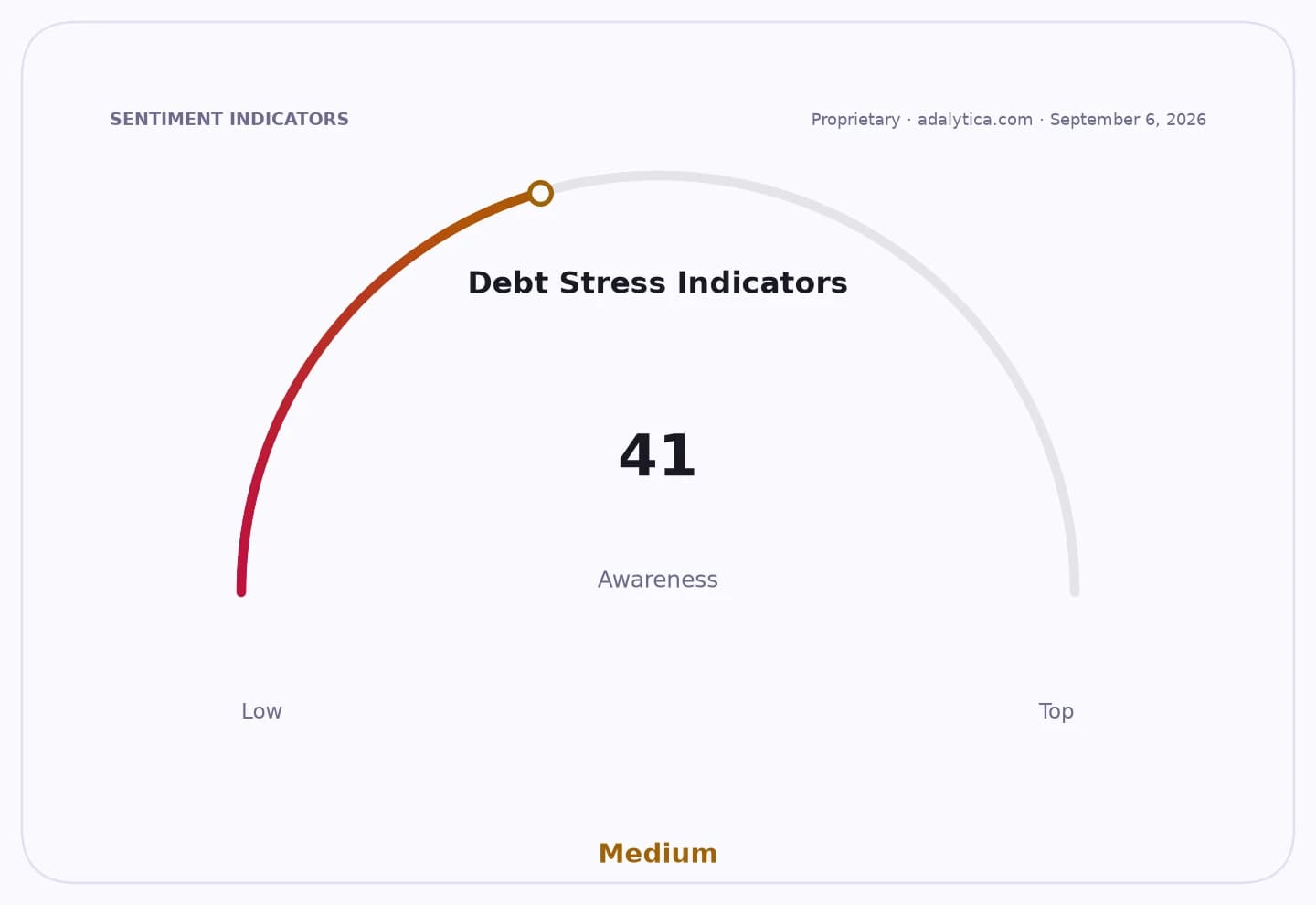
Sentiment IndicatorsⓘProprietary · adalytica.com · September 17, 2026
This is a snapshot — live sentiment, awareness and momentum for 130+ markets update continuously in the dashboard.Open AlphaPulse
The amount of bad corporate debt climbed to 15.19 trillion won in the first half from 8.34 trillion won in 2022, while outstanding corporate loans increased to 1,971 trillion won from 1,611 trillion won. The non-performing loan ratio on corporate credit rose to 0.77% from 0.52%, and loans requiring caution — the kind that have not yet turned sour but could — reached 16.38 trillion won.
For investors, the headline number is important because bad debt does not just reflect past mistakes; it can constrain future earnings. Banks facing higher provisions see less room for dividend growth, share buybacks and aggressive balance-sheet expansion. That matters most in a sector where confidence in asset quality is central to valuation.
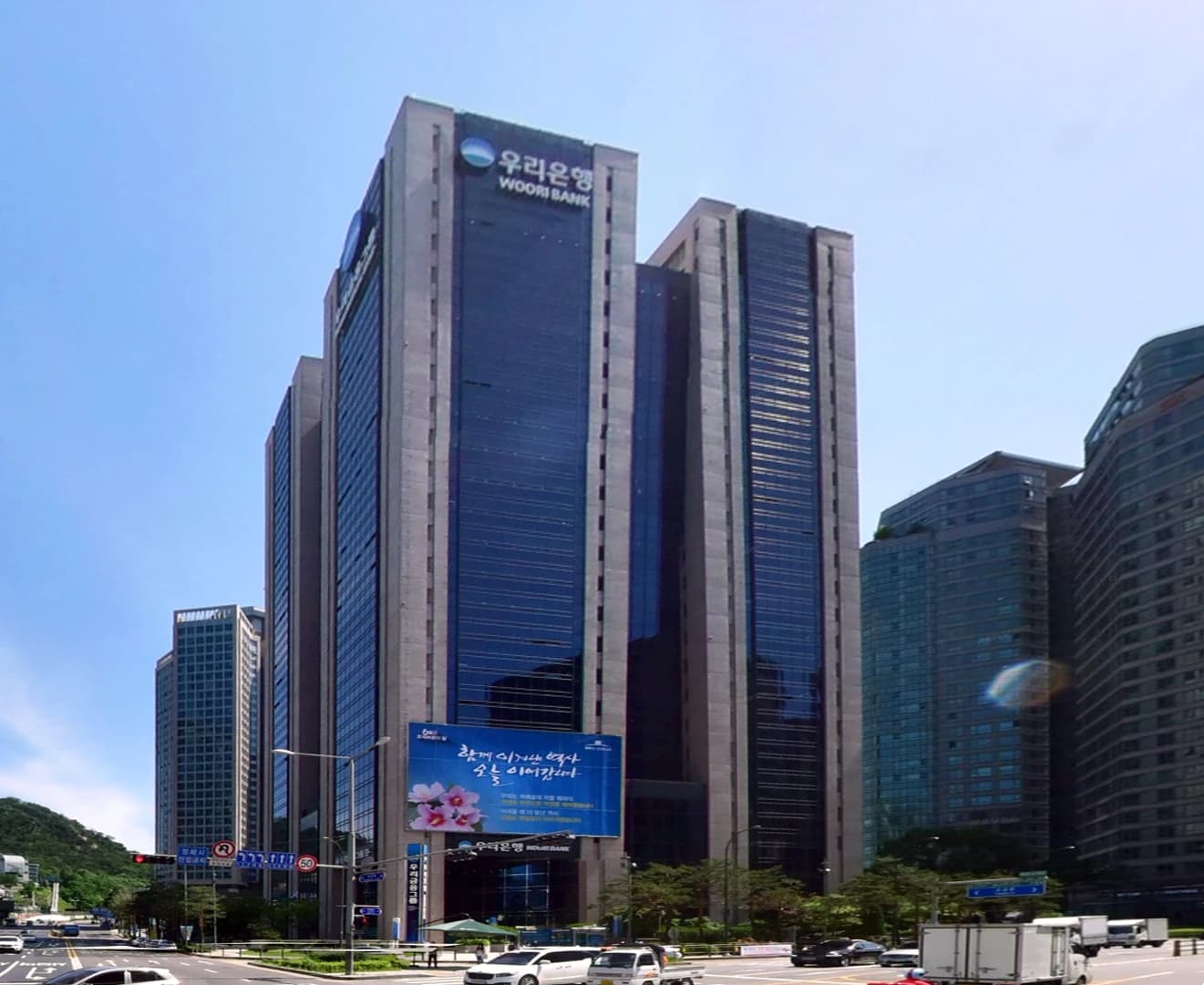
The pressure is notably uneven. Regional banks such as Jeonbuk, Jeju, Gyeongnam, Busan, iM and Gwangju reported corporate bad-loan ratios ranging from 1.09% to 1.69%, well above the 0.34% to 0.61% range at major lenders including KB Kookmin, Shinhan, Woori, NH NongHyup and Hana. Several regional banks also had loan-loss coverage ratios below 100%, with Gyeongnam at 74.4%, Jeonbuk at 83%, iM at 88.7%, Gwangju at 90.6% and Busan at 98.2%.
That gap matters economically because weaker coverage leaves regional lenders more exposed if Korea’s economy softens or if credit stress spreads from corporate borrowers into small and midsize businesses. It also raises the possibility of more supervisory scrutiny. Lawmaker Kim Jae-seop has called for targeted reviews of banks with high bad-loan ratios and low reserves, a signal that regulators may be pressed to act before losses become more visible.
Big banks are in a much better position to absorb the strain. KB Kookmin’s coverage ratio was 197.3%, Shinhan’s 153.4% and Woori’s 132.9%, giving them more room to weather rising defaults without an immediate hit to capital or payout capacity. That relative strength is one reason investors tend to prefer the larger national lenders when credit conditions tighten.
For long-term investors, the takeaway is not that Korean banks are broken, but that the sector is entering a more selective phase. If bad debt keeps rising, the winners will be lenders with strong underwriting, conservative provisioning and enough earnings power to keep rewarding shareholders through the cycle. Regional banks look like the most vulnerable, while the largest banks remain the steadier way to own the theme. Worth watching, but invest with a margin of safety.
| Entity | Gains | Losses |
|---|---|---|
| Major banks (KB, Shinhan, Woori) | ▲Stronger coverage ratios | ▼Less sector stress resilience |
| Regional banks | ▲Limited immediate upside | ▼Higher bad-loan pressure |
| Corporate borrowers | ▲Continued access to credit | ▼Tighter lending standards |
| Bank investors | ▲Better clarity on winners | ▼Lower confidence in weaker lenders |