South Korea is leaning on major food makers to slash prices on nearly 4,800 processed-food items by as much as 64% ahead of Chuseok, in a bid to cool holiday inflation and protect household spending power.
South Korea Food Makers Cut Prices Before Chuseok

The Agriculture Ministry said it met with executives from leading food companies and asked them to keep supply flowing during the peak shopping season, when demand for packaged foods and gift sets typically jumps. The effort covers 4,765 products across 27 categories, including ramen, dumplings, cooking oil, ready meals, snacks, ice cream, coffee and beverages.
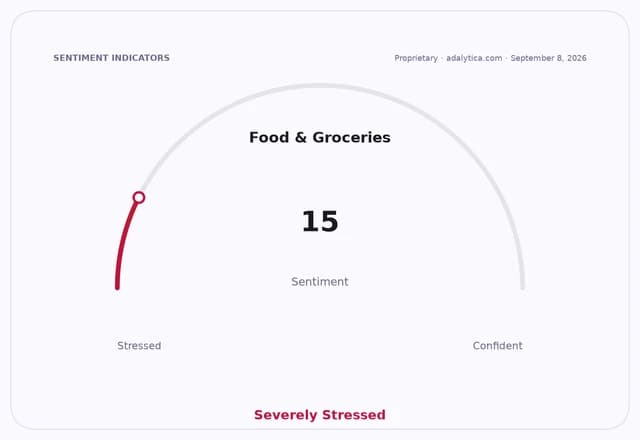
Sentiment IndicatorsⓘProprietary · adalytica.com · September 8, 2026
This is a snapshot — live sentiment, awareness and momentum for 130+ markets update continuously in the dashboard.Open AlphaPulse

Ramen, the most politically sensitive part of the basket, will be sold at up to 50% off at supermarkets, convenience stores and online retailers, while dumplings will also be discounted by as much as half in some channels. Cooking oil discounts will run 20% to 50%, according to the ministry, as the government moves to blunt the impact of higher food costs on consumers heading into the holiday.
For investors, the campaign points to continued pressure on margins across Korea’s food sector, where pricing power is being tested by government-backed promotions and easier access to cheaper imports and raw materials. The ministry said it will also push tariff quotas, raw-material financing and regulatory easing to help offset cost burdens for producers.
The plan also has a trade angle. Seoul said it discussed ways to expand K-food exports with industry, including locally tailored products, wider global distribution and marketing tied to the Korean wave, suggesting the government wants food makers to absorb short-term domestic price pressure in exchange for longer-term overseas growth.
Shares in Korean food stocks have already been volatile, with the sector swinging as investors weigh demand support against margin compression. Technical indicators on some tracked names show mixed momentum, with the 50-day moving average now acting as a near-term reference point and RSI readings easing from recent peaks.
The key catalyst is whether the discounts translate into a temporary holiday sales lift without triggering a more lasting hit to profitability, especially if the government keeps pressing food makers to restrain prices into year-end.
| Entity | Gains | Losses |
|---|---|---|
| Consumers | ▲Lower holiday food bills | ▼None in the short term |
| Food makers | ▲Higher unit volume | ▼Margin pressure |
| Korean retailers | ▲More traffic and basket sales | ▼Pricing power |
| Short-sellers | ▲Sector volatility | ▼A successful sales rebound |