A South Korean police investigation has uncovered a brokerage ring that allegedly extracted nearly 5 billion won, or about $3.4 million, in fees by steering 3,481 low-credit borrowers into government-backed loans and charging them illegal commissions as high as 10% to 15%.
South Korea Police Bust Loan Brokerage Ring
The case matters because it exposes how subsidies meant to widen access to credit can be siphoned off by unregistered middlemen, raising the cost of borrowing for the most vulnerable households and undermining confidence in state support programs. Police said the group arranged about 46.6 billion won in loans from March 2024 through May this year without registering as a lending broker, then billed borrowers under the guise of consulting fees.
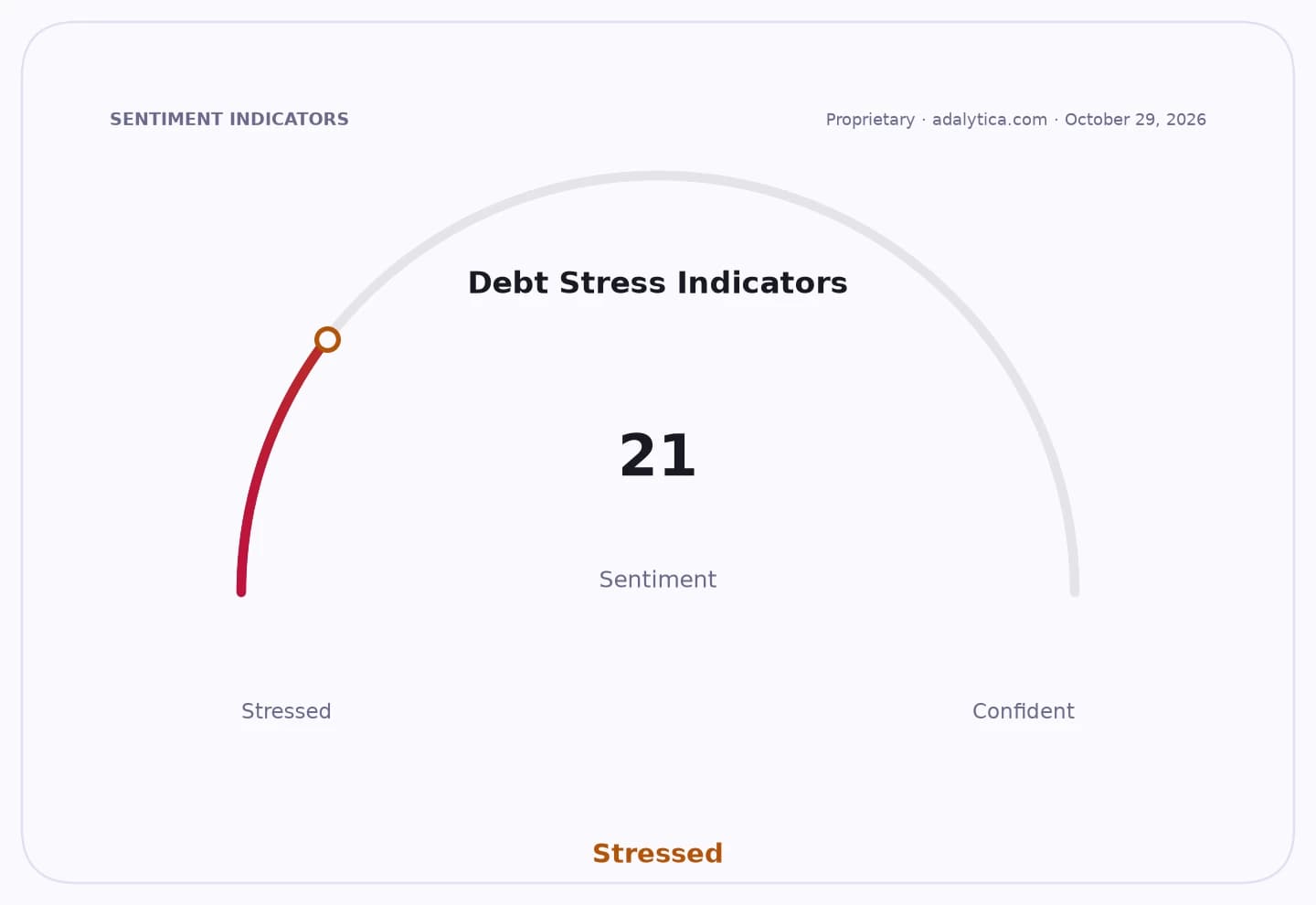
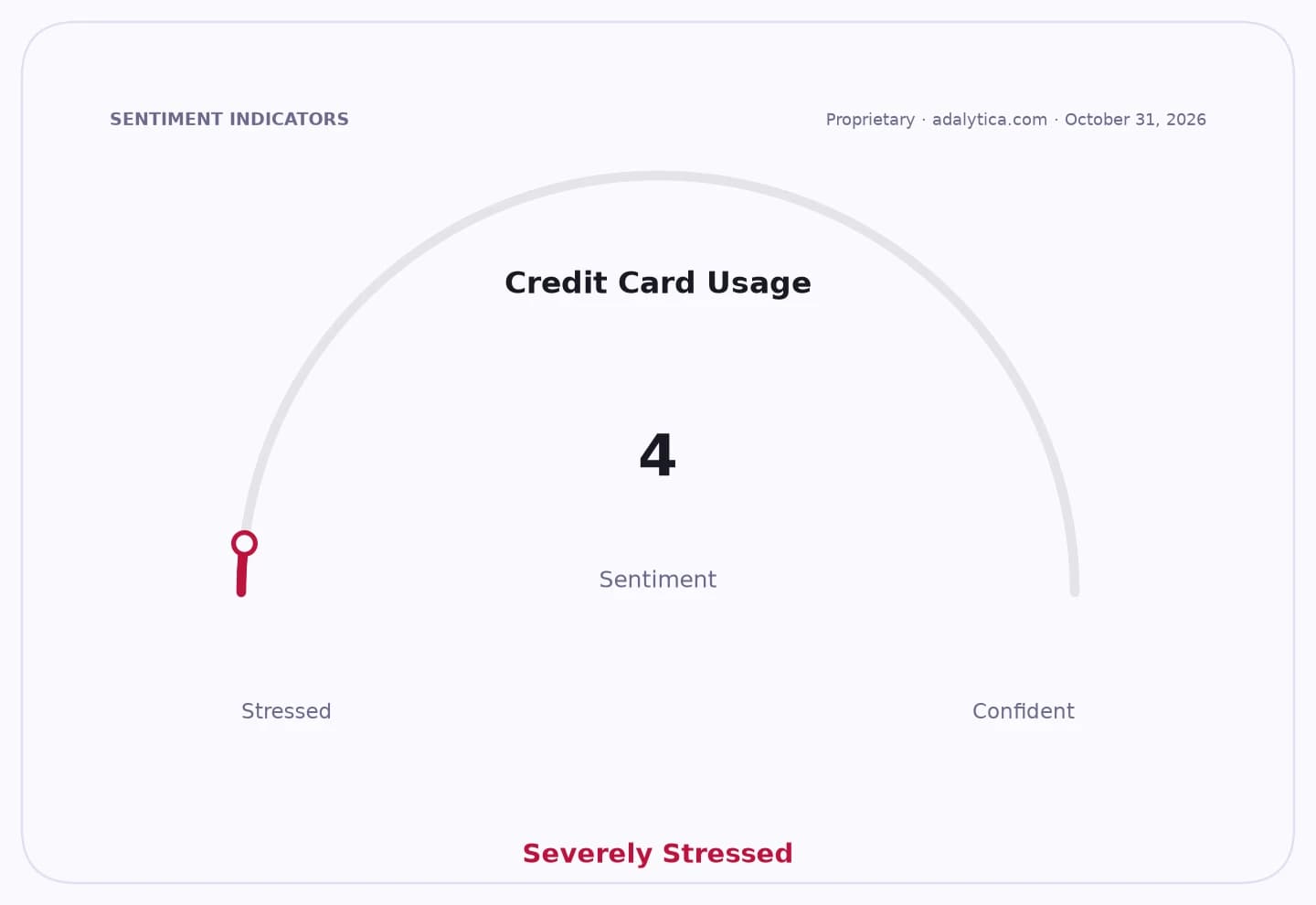
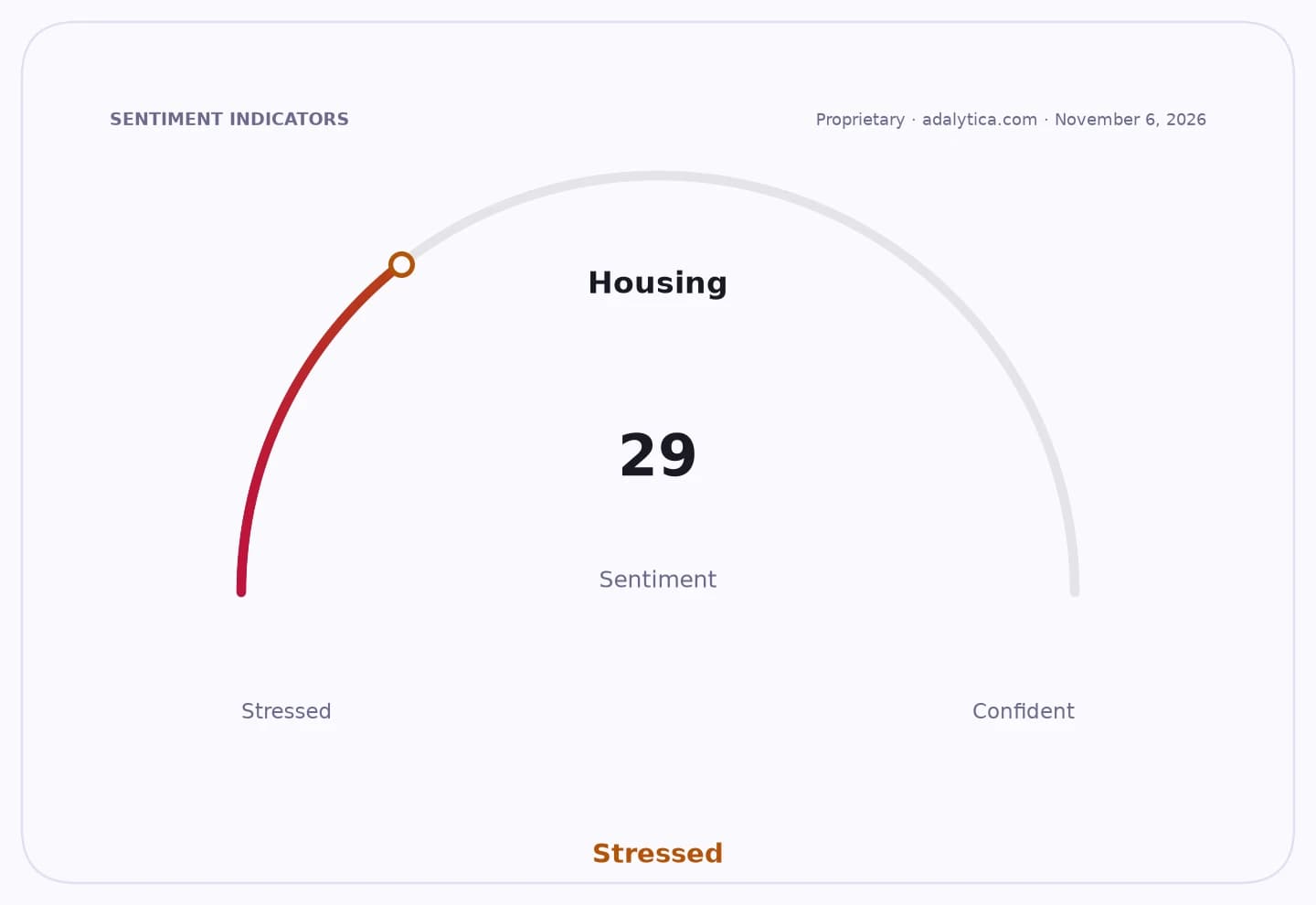
Sentiment Indicators
Authorities arrested and referred 53 people, including the head of the illegal finance operation and the chief of a law office, prosecutors said. Police also said some suspects funneled the most distressed borrowers into debt-restructuring and bankruptcy cases at two law firms, collecting an additional 78.75 million won in alleged illegal referral fees.
For investors and creditors, the episode is another sign that credit stress among lower-income households remains a live risk even as policymakers try to channel more financing through formal institutions. It also highlights the compliance and reputational risks facing lenders, consumer-finance firms and any channel that touches government-supported lending, where tighter monitoring can lead to slower loan growth and tougher rules.
The broader backdrop is a strained consumer-credit environment in which households with weaker credit profiles are more exposed to fraud, predatory fees and debt workouts. Police seized accounts and office records, sought pre-indictment preservation of 430 million won in criminal proceeds, and urged borrowers to seek public loan products only through official banks and authorized financial institutions.
As regulators and law enforcement step up scrutiny, the key question for the market is whether the crackdown curbs abuse without making it harder for legitimate low-income borrowers to access subsidized credit.
| Entity | Gains | Losses |
|---|---|---|
| Low-credit borrowers | ▲Better protection | ▼Higher risk of abuse |
| Government-backed lenders | ▲Cleaner distribution channels | ▼Slower loan uptake |
| Illegal brokers/law offices | ▲Short-term fees | ▼Prosecution and asset seizure |
| Regulators/police | ▲Stronger oversight | ▼Pressure to police more channels |