Vietnam’s consumer lending crackdown is sharpening after investigators said a network arranged 14,844 online loan contracts, disbursed nearly 100 billion dong and collected more than 23 billion dong in interest, a case that underscores how quickly predatory digital credit can scale when borrowers are desperate for cash.
Vietnam loan crackdown on 14,844 online contracts
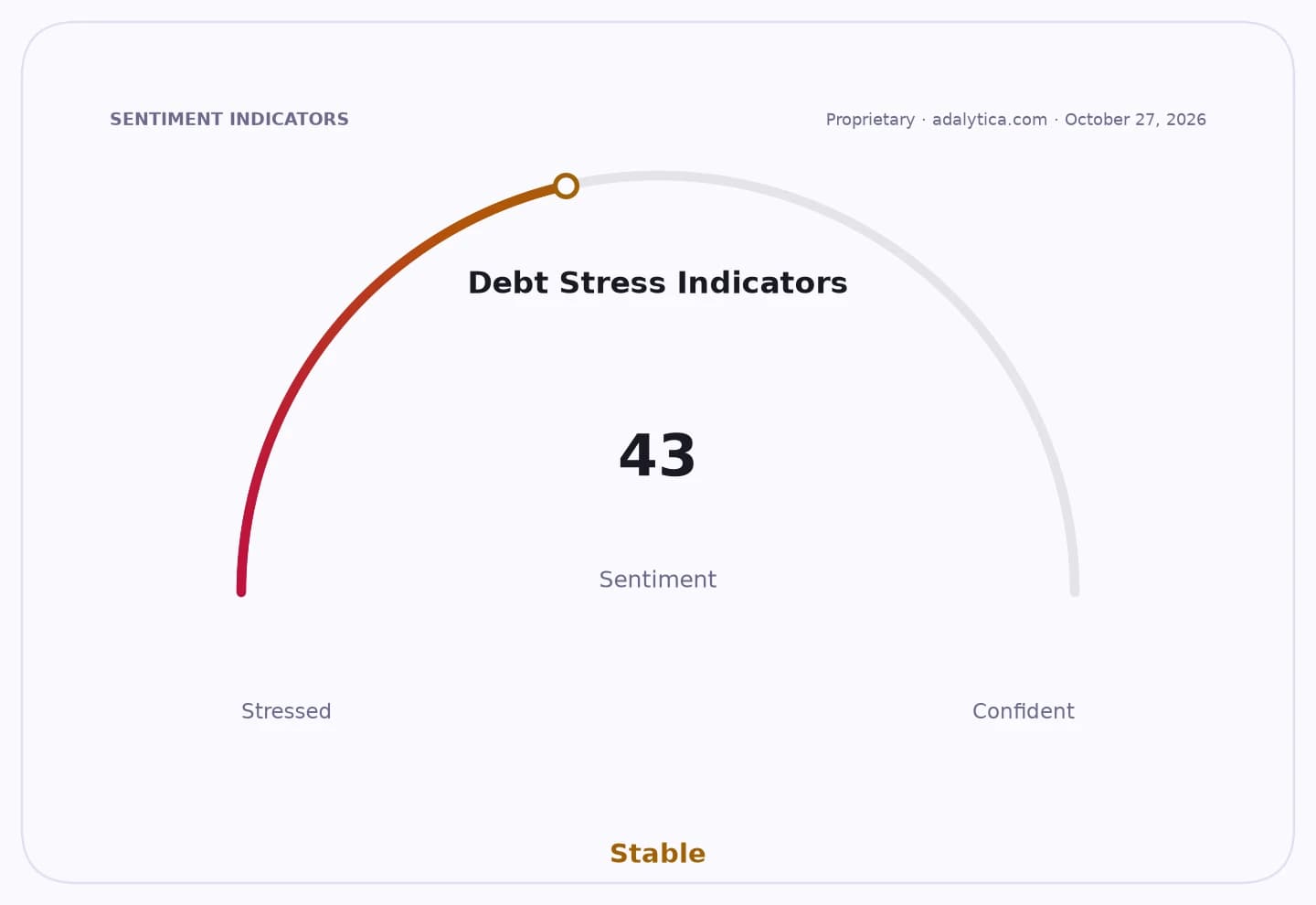
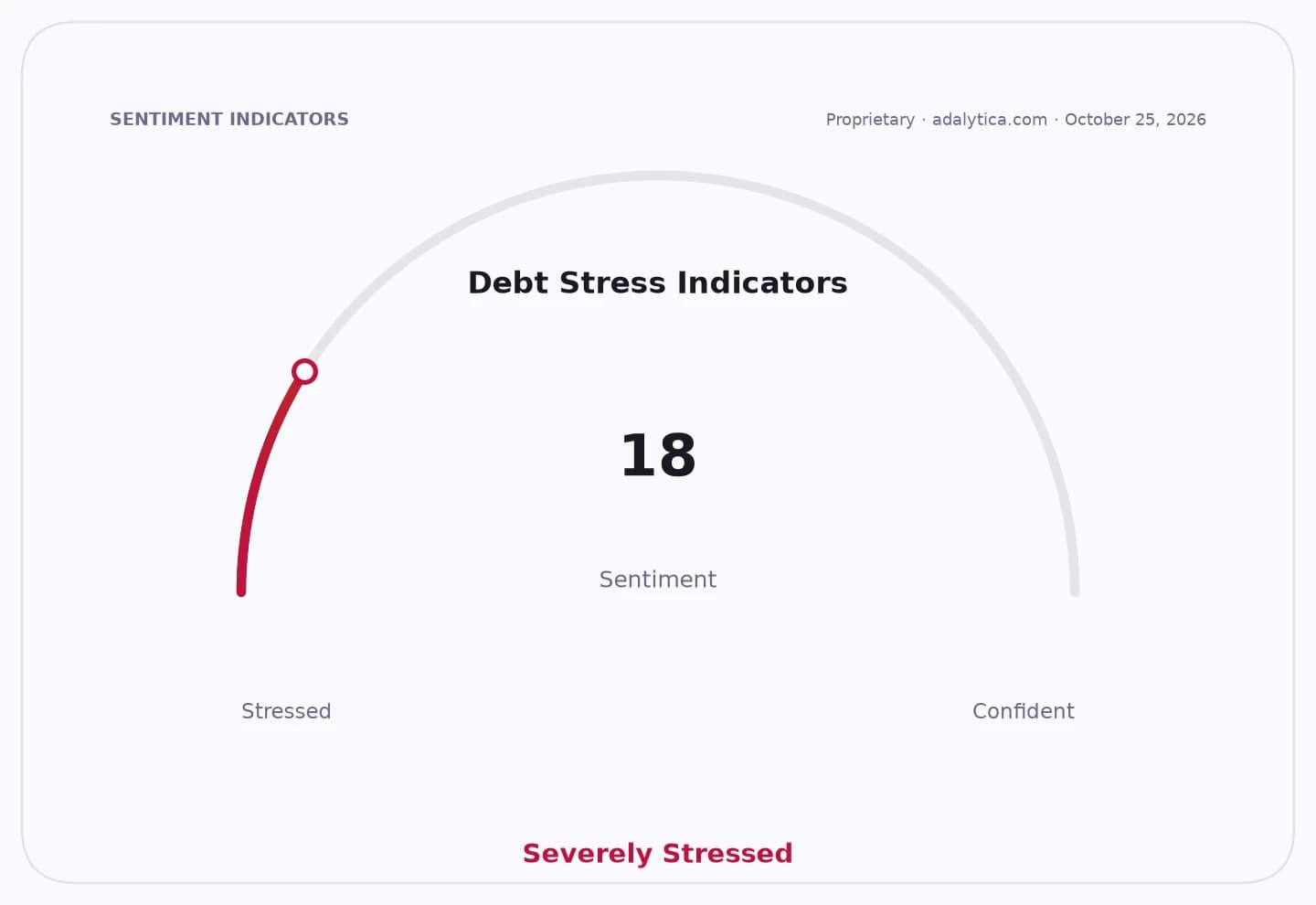
Debt Stress Indicators
The figures matter because they point to a broader shadow-lending market that is moving online, where app-based loans can be pushed in minutes and repaid through opaque fees, aggressive collection practices and interest charges that may run afoul of civil-law limits. For regulators, the case is less about one criminal group than about a distribution model that can reach tens of thousands of borrowers before authorities intervene.
Sentiment Indicators
For investors and lenders, the story lands at the intersection of credit demand, fraud risk and tighter scrutiny of digital finance. It reinforces the downside for any provider exposed to unsecured consumer lending if underwriting, identity checks and disclosure standards are weak. It also highlights a recurring tension in emerging-market credit: demand for fast, small-ticket loans remains strong, but the more convenient the channel, the easier it is for bad actors to disguise predatory terms as legitimate financing.
The issue extends beyond one investigation. Vietnam’s authorities have been pushing harder on digital identity verification, electronic accounts and data protection, reflecting concern that online finance is becoming a vector for scams. The crackdown on black credit apps is likely to accelerate that trend, with more pressure on banks, fintech platforms and payment intermediaries to verify users, monitor loan-advertising content and flag unusual disbursement patterns.
The case also matters for household finances at a time when borrowers are already vulnerable to rising living costs and debt stress. While the data here do not imply a banking-system event, they do suggest that informal credit remains an important pressure point in the broader consumer economy, especially for lower-income households and small traders that may not qualify easily for formal loans.
For the legal and regulatory backdrop, the most immediate takeaway is that authorities want the public to recognize warning signs before taking app-based loans: unclear licensing, unusually fast approvals, hidden charges, forced access to phone contacts and repayment terms that look simple at first but become costly after disbursement. If enforcement tightens, the beneficiaries are regulated lenders and consumers who can access transparent products; the losers are predatory operators, and potentially platforms that fail to police loan marketing and identity verification.
| Entity | Gains | Losses |
|---|---|---|
| Regulated banks and lenders | ▲Cleaner competitive field | ▼Less room for shadow credit |
| Borrowers | ▲Better disclosure, lower fraud risk | ▼Fewer instant-loan options |
| Black credit apps | ▲None | ▼Enforcement, shutdown risk |
| Payment and digital platforms | ▲Compliance demand | ▼Higher verification burden |