South Korea’s housing policy is entering a make-or-break phase as President Lee Jae-myung orders a faster rollout of homes in the capital region’s third-generation new cities, arguing that delivery speed will determine whether the government can restore public trust and cool the market.
South Korea Orders Faster New City Housing Rollout
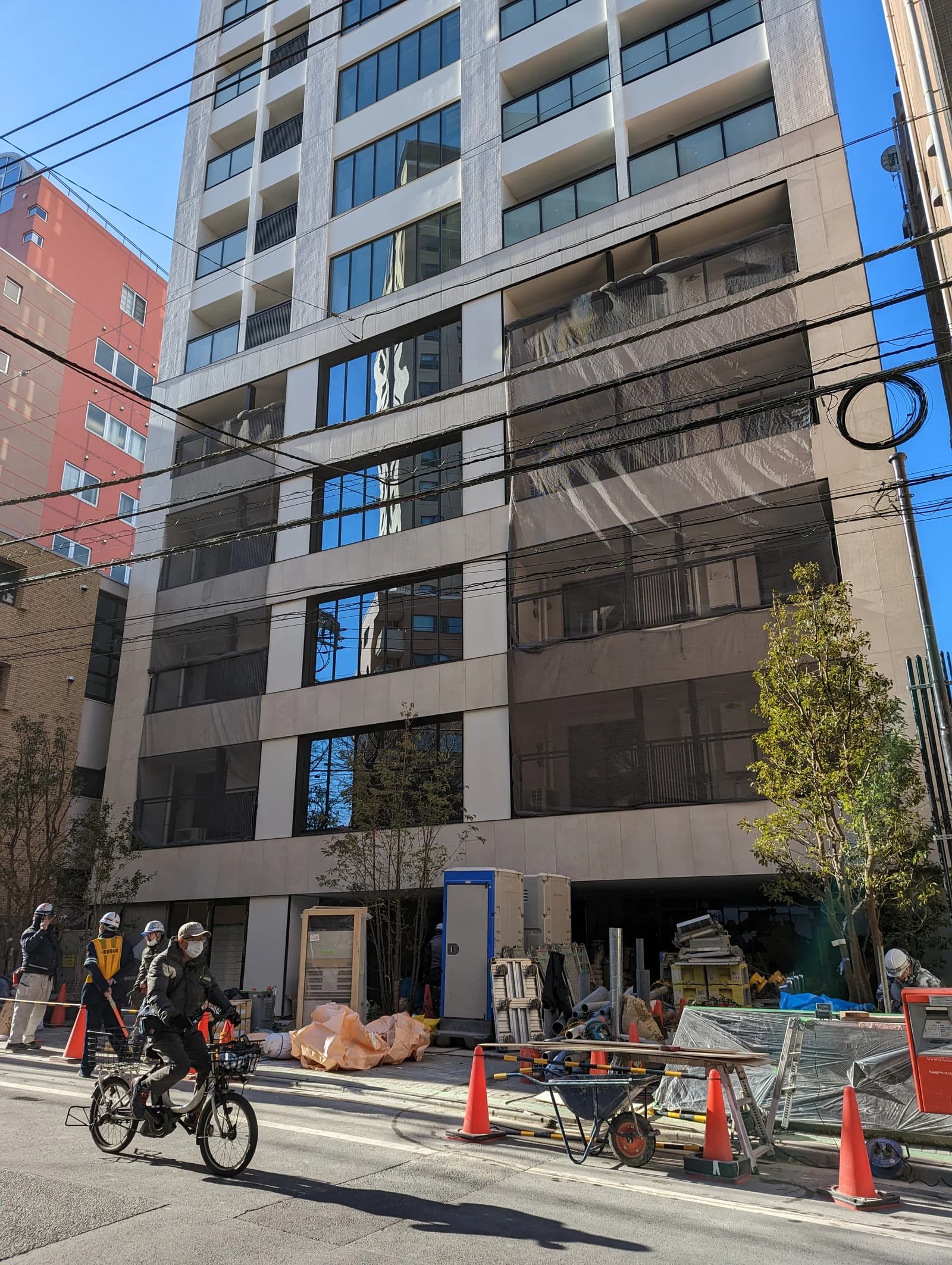
Lee’s visit to a public housing site in Incheon’s Gyeyang district put a hard deadline on that effort. Gyeyang is the first of the roughly 330,000 households planned for the third-generation new cities, with the first move-ins due in December. By choosing the project as a showcase, the administration is signaling that it wants tangible supply on the ground, not just announcements, after years of frustration over delayed land preparation, permits and groundbreaking.
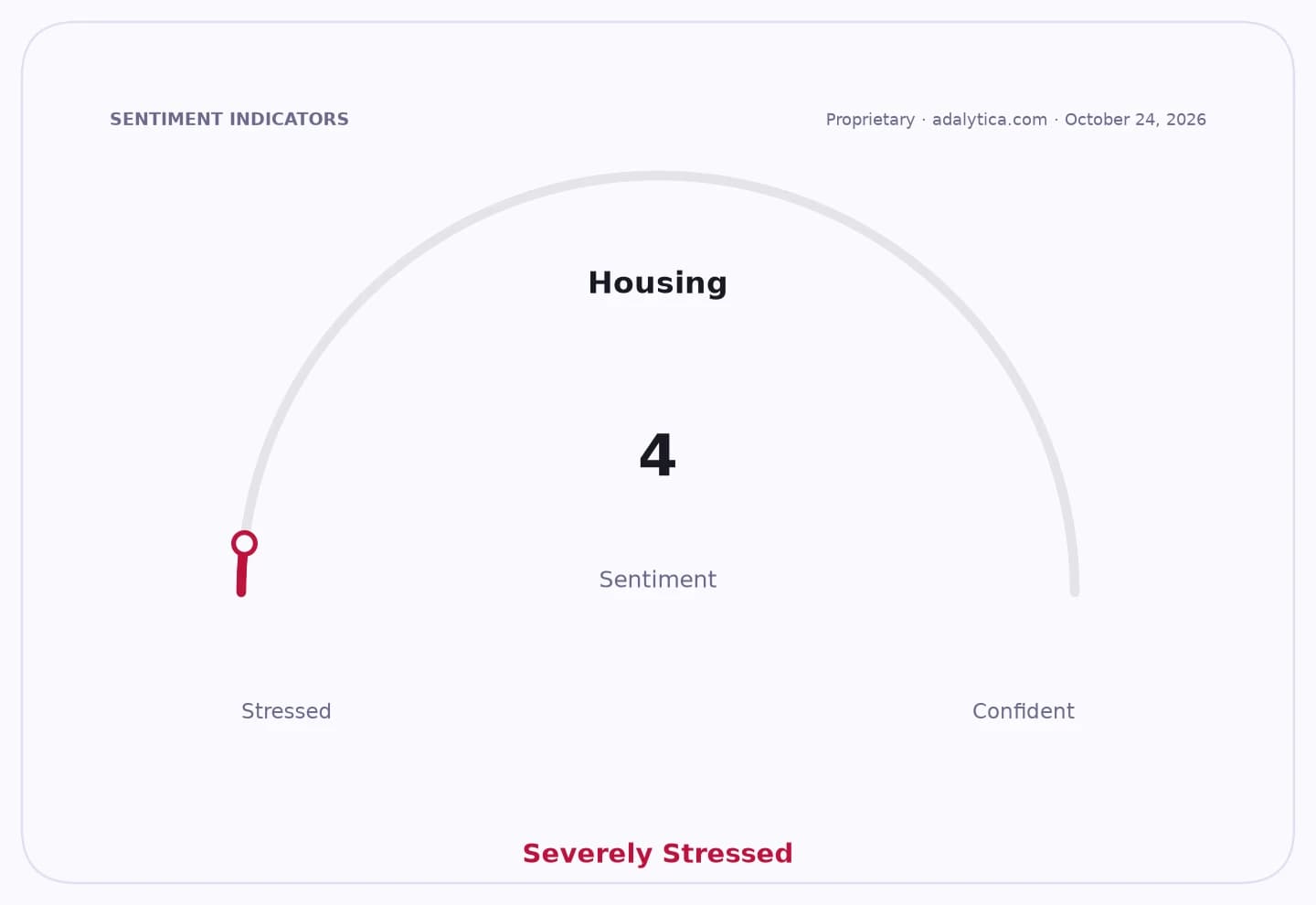
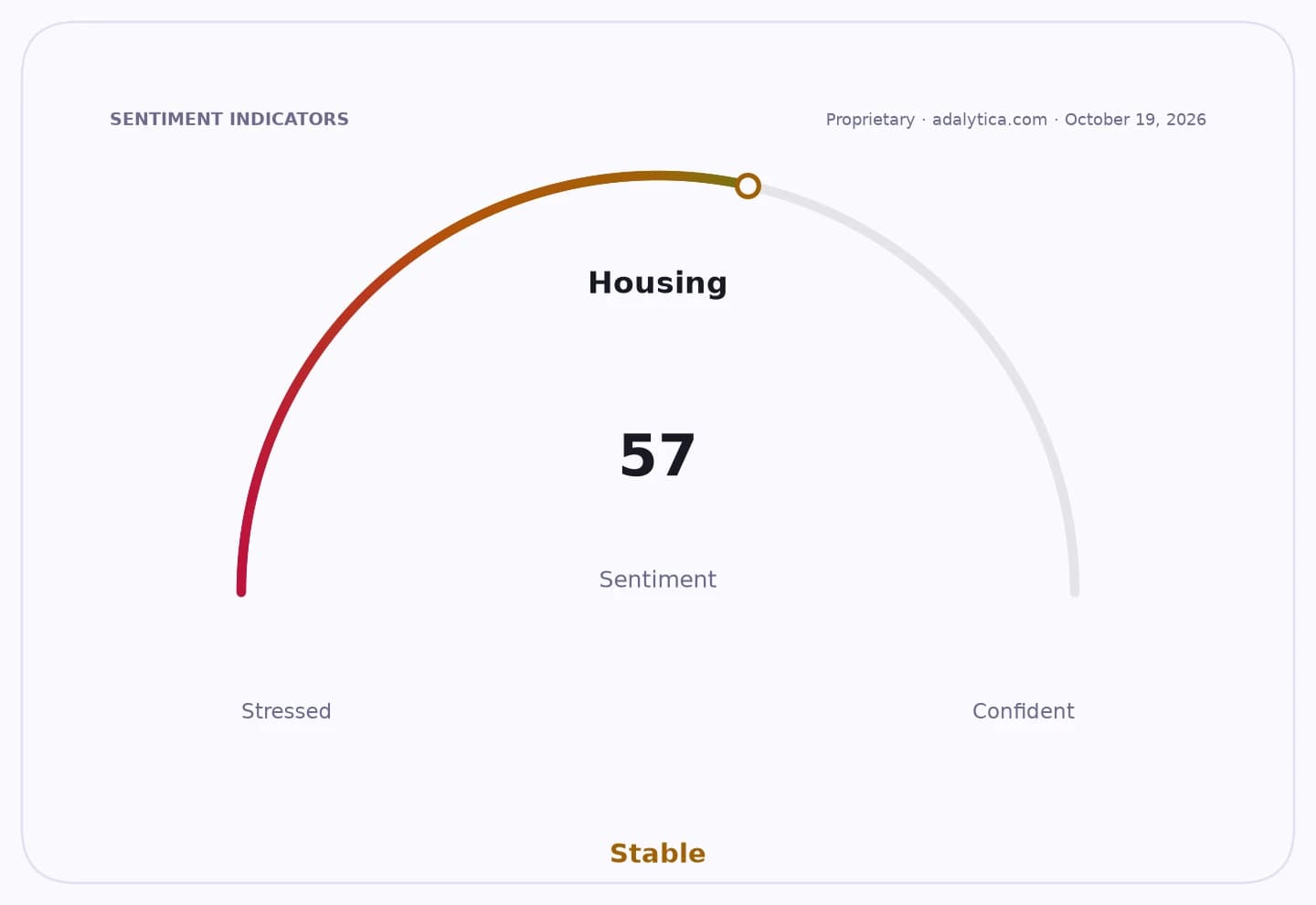
Sentiment IndicatorsⓘProprietary · adalytica.com · October 25, 2026
This is a snapshot — live sentiment, awareness and momentum for 130+ markets update continuously in the dashboard.Open AlphaPulse
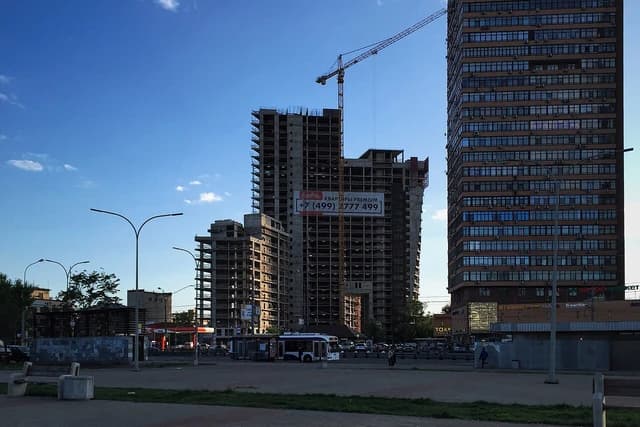
That matters economically because housing remains one of the most sensitive transmission channels for inflation, consumer confidence and household balance sheets in South Korea. If supply is delayed, the policy mix risks prolonging tight housing conditions in the Seoul metropolitan area, keeping pressure on rents and purchase prices and reinforcing the perception that government housing pledges are slow to translate into inventory. If delivery accelerates, the new cities could help ease some of the imbalance that has supported property prices and complicated broader disinflation efforts.
Lee framed the issue in blunt political terms, saying that if announced supply policies are not properly implemented, confidence in real estate policy will erode. He also instructed officials to bring forward construction start dates even by a single day and called for a “supply blitz” that shortens the path from land preparation to permits and groundbreaking. The message suggests the administration is prepared to revisit rules and procedures that slow development, a potentially important shift for contractors, local governments and landowners waiting on approvals.
For investors, the stakes are not limited to Korean homebuilders. A credible acceleration in supply would support a more stable housing backdrop, which could temper pricing power for landlords and developers over time but improve policy visibility. It also has implications for banks and consumer demand: a slower housing market can weigh on household sentiment and transaction volumes, while a managed increase in supply may help reduce the risk of a disorderly correction later.
The market has already been sensitive to housing signals, with U.S. homebuilding and real estate ETFs showing recent swings as investors reassess the durability of demand and the path for rates. In Korea, the policy question is different but the logic is the same: supply discipline, execution speed and regulatory clarity will determine whether the government can turn housing from a political liability into a stabilizing macro force.
The immediate test is whether Gyeyang’s December move-ins are the start of a broader acceleration or just an isolated milestone. If the administration can compress timelines across the third-generation new cities, it will strengthen the case that supply-side policy can cool structural housing pressure without relying only on demand restraint. If not, the gap between policy ambition and housing reality will remain the dominant market risk.
| Entity | Gains | Losses |
|---|---|---|
| South Korean government | ▲Policy credibility | ▼If delays persist |
| Homebuyers and renters | ▲More supply, less pressure | ▼If delivery slips |
| Developers and contractors | ▲Faster project approvals | ▼Margin pressure if rules tighten |
| Existing landlords | ▲— | ▼Weaker pricing power over time |