South Korea is shifting from a one-size-fits-all rescue model for regional healthcare to a locally designed system backed by 1.2614 trillion won in special-account spending, a move that could reshape how the country funds hospitals, deploys AI and channels medical investment away from Seoul.
South Korea regional healthcare budget boosts AI
That matters because the real bottleneck in Korea’s healthcare system is no longer just money, but where money goes and who gets to decide. By giving provincial governments direct control over 3,605 billion won in “local-led” medical gap funding, the Ministry of Health and Welfare is betting that regional officials can identify shortages faster than central planners and direct resources toward the specialties, hospitals and infrastructure their communities actually need.
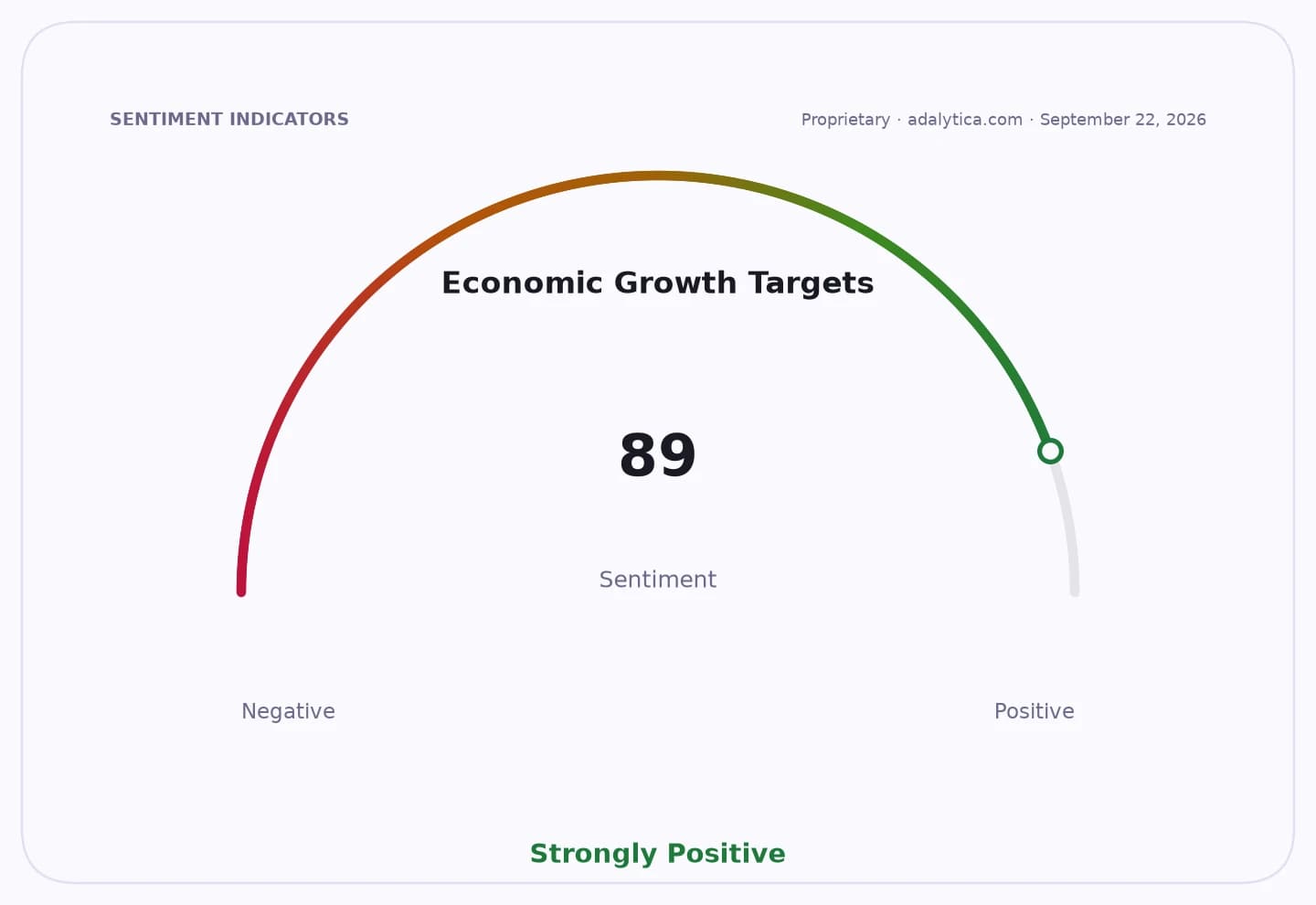
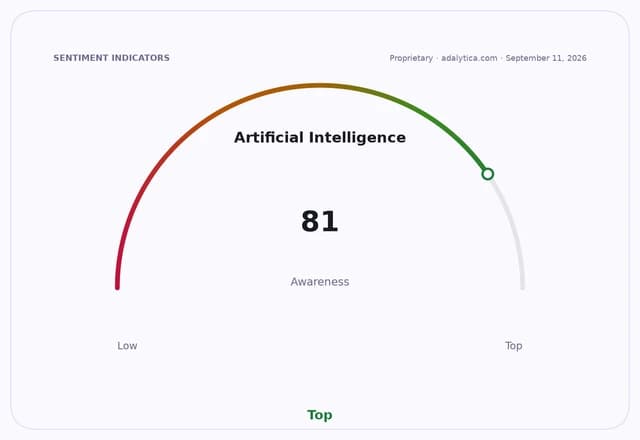
Sentiment IndicatorsⓘProprietary · adalytica.com · September 11, 2026
This is a snapshot — live sentiment, awareness and momentum for 130+ markets update continuously in the dashboard.Open AlphaPulse
For investors, the important story is that Korea is turning regional medicine into a capital-allocation theme. The 17 regional lead medical institutions will receive 255.1 billion won, up 139.7 billion won from a year earlier, with funding aimed at staffing, infrastructure, AI transition and hospital cooperation. That creates a clearer pipeline for vendors that sell hospital software, diagnostic systems, cloud services, networking gear and clinical AI tools, while also supporting public hospitals that have struggled to match the capabilities of big-city university hospitals.
The AI component is what makes this more than another healthcare subsidy. Seoul wants to distribute an “AI primary care package” to clinics in underserved areas, pilot AI-assisted remote consultations for island and mountain communities, and connect 72 regional public medical institutions to a state-backed GPU-based “public medical AI platform.” In practical terms, that means the government is trying to build a shared AI utility for healthcare rather than forcing every smaller hospital to fund its own expensive computing stack.
That is a structural positive for the firms that can supply the picks-and-shovels of this buildout. The most obvious beneficiaries are AI infrastructure and healthcare IT providers, along with cloud and GPU ecosystems that can help run centralized medical models. It is also a reminder that public-sector AI spending is broadening beyond defense and semiconductors into frontline services, where adoption can be sticky once systems are embedded in day-to-day care.
The policy also has a second-order macro effect. Korea’s regional depopulation problem has been squeezing local hospitals, weakening essential services and pushing more severe cases into Seoul’s large medical centers. If the new framework works, it could slow that outflow, support provincial medical employment and reduce the pressure on capital-region hospitals. If it fails, the country risks simply adding another layer of funding without solving the underlying shortage of doctors and specialists.
For investors, the key takeaway is that regional healthcare AI is moving from pilot language to budget line. The market tends to overlook public-health infrastructure until procurement starts, but this program creates a multi-year spending runway tied to a national policy objective. The best way to play it is not to chase broad healthcare exposure, but to look for the companies supplying software, compute, connectivity and workflow tools that local hospitals will need once the money starts flowing.
| Entity | Gains | Losses |
|---|---|---|
| Regional hospitals | ▲More funding and AI tools | ▼Continued staffing strain |
| AI infrastructure vendors | ▲New public procurement | ▼Smaller standalone hospital budgets |
| Seoul big hospitals | ▲Less overflow pressure | ▼Fewer regional referrals |
| Local governments | ▲More policy control | ▼More execution risk |