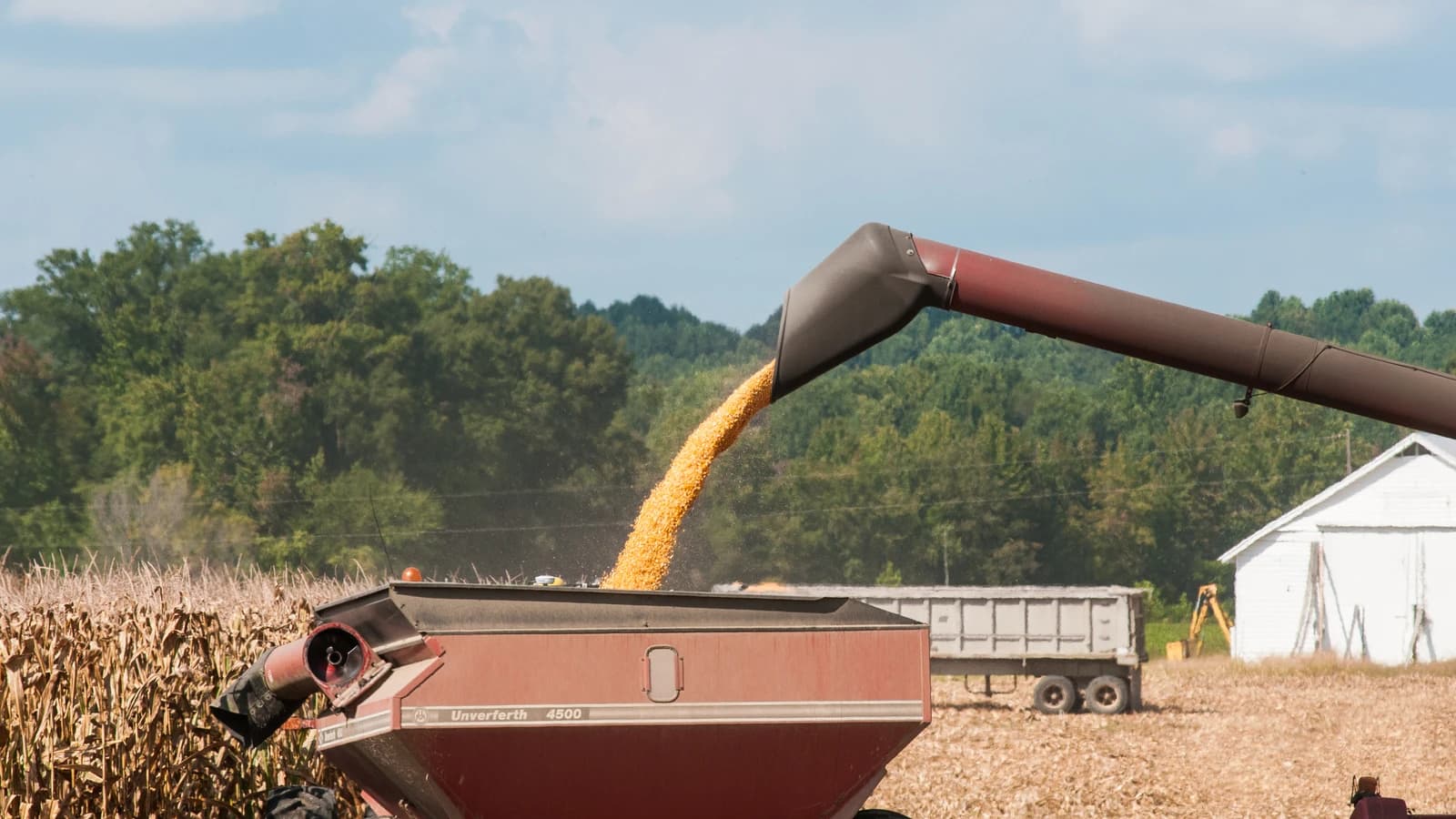
Soybean futures slid to an 11-week low as falling crude oil prices and the peak of the U.S. harvest kept pressure on the oilseed complex, leaving producers with less pricing power and investors with little reason to chase the market higher.
Soybean futures fall to 11-week low

The drop matters because soybeans are not just a grain-market story anymore; they are tied closely to energy, biofuels and global vegetable oil demand. When crude weakens, soybean oil loses a key support, and that can spill back into the broader soybean contract. At the same time, harvest-season selling usually swells supplies just as buyers grow more cautious, creating a classic seasonal headwind that can keep prices pinned even when the longer-term outlook remains constructive.
Sentiment Indicators

That dynamic is showing up in the charts. The Teucrium Soybean Fund, a liquid proxy for soybean prices, was trading near 25.22 after slipping below its 50-day moving average, while the relative strength index was around 13, a deeply oversold reading by standard technical measures. Momentum has turned negative too, with the fund now below its 200-day moving average after spending much of late summer in a stronger uptrend. In plain English, this is what a persistent downtrend looks like: selling feeds on itself until either demand improves or supply expectations ease.
For long-term investors, that is exactly why soybean weakness should be viewed through a business-cycle lens rather than a day-trading lens. Farmers, grain handlers and ag producers may see margin pressure first, but lower prices can eventually encourage more disciplined planting decisions and tighter inventories later. If crude oil stabilizes and export demand firms, the market can recover quickly because agricultural commodities often snap back once the supply overhang clears.
There are also broader global trade signals worth watching. Indian soybean meal exports have been under strain from cheaper supply elsewhere, while surging imports of palm oil and soybean oil suggest demand is shifting rather than disappearing. That helps explain why the soybean complex can feel weak even when parts of the vegetable-oil market remain active: the market is sorting out where the cheapest calories and fats will come from.
For investors, the takeaway is straightforward. Soybeans are under pressure now, but the bigger story is the tug of war between energy prices, harvest supply and global oilseed demand. If you own commodity exposure, this is a reminder that volatility is part of the package, and patience matters more than prediction. For most investors, diversified exposure and a long horizon remain the better play than trying to catch every turn in a notoriously cyclical market.
| Entity | Gains | Losses |
|---|---|---|
| Soybean buyers | ▲Lower input costs | ▼— |
| Soybean farmers | ▲— | ▼Weaker selling prices |
| Livestock/feed users | ▲Cheaper feed inputs | ▼— |
| Commodity bulls | ▲— | ▼Downtrend pressure |