Space is shifting from a support function for warfighters to a contested battlefield of its own, and that changes the investment case for defense and space contractors. As Washington and Beijing sharpen capabilities in orbit, the market is starting to price a world in which satellites are no longer passive infrastructure but active military assets, raising the value of firms that can build, defend and replace them.
Space defense spending benefits LMT, NOC, RKLB

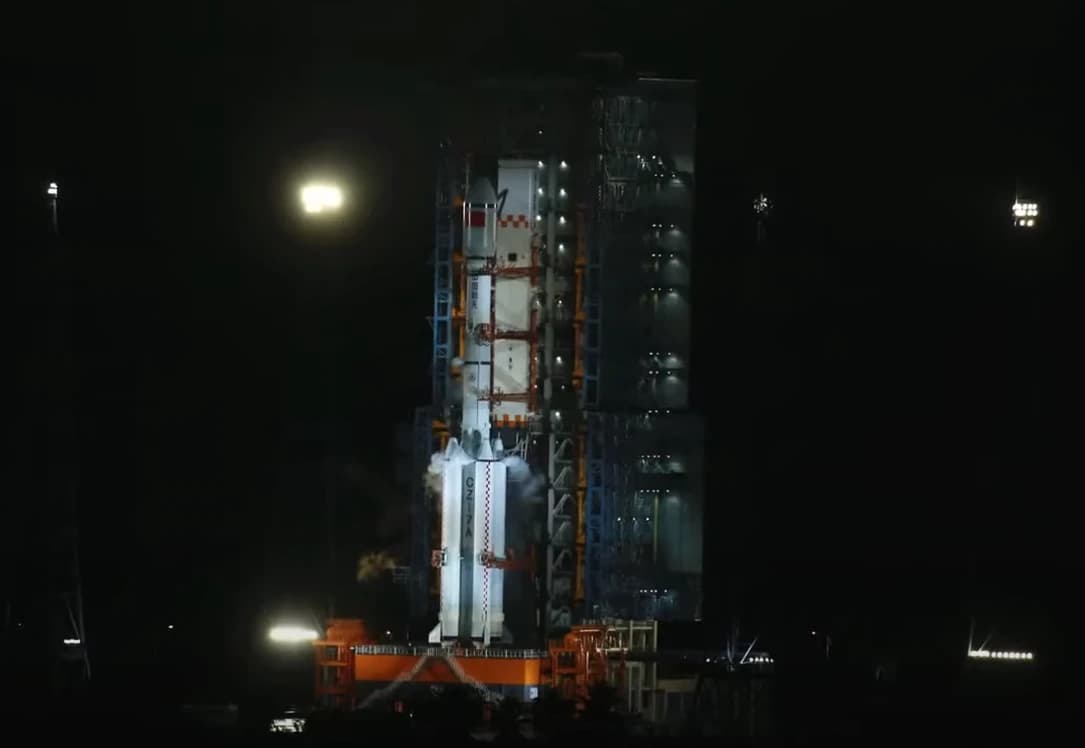
Reuters’ reporting points to a fast-advancing Chinese push into rendezvous and proximity operations — the kind of orbital maneuvering Western officials describe as “dogfights in space.” That includes satellites designed to tail, inspect, and potentially capture other satellites, even with nets. The United States and Britain have already carried out what officials described as their first military operation in orbit against a suspected Chinese spy satellite, underscoring how quickly space has moved from the realm of science and communications into coercion and counter-coercion.
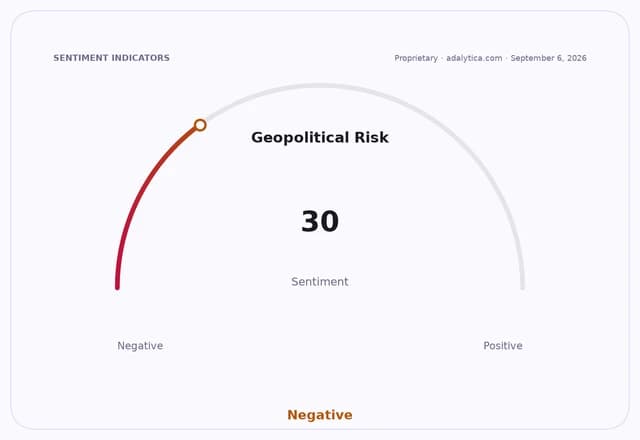
Sentiment IndicatorsⓘProprietary · adalytica.com · September 6, 2026
This is a snapshot — live sentiment, awareness and momentum for 130+ markets update continuously in the dashboard.Open AlphaPulse
The economic significance is bigger than a single weapons system. Modern economies run on satellites for navigation, banking, communications, logistics and agriculture. That means any sustained escalation in space is not just a Pentagon problem; it becomes a resilience problem for the entire global infrastructure stack. In practical terms, governments will be pushed to spend more on hardened satellites, launch capacity, surveillance, rapid replacement systems and orbital security — a capex cycle that favors companies with production scale and repeatable launch economics.
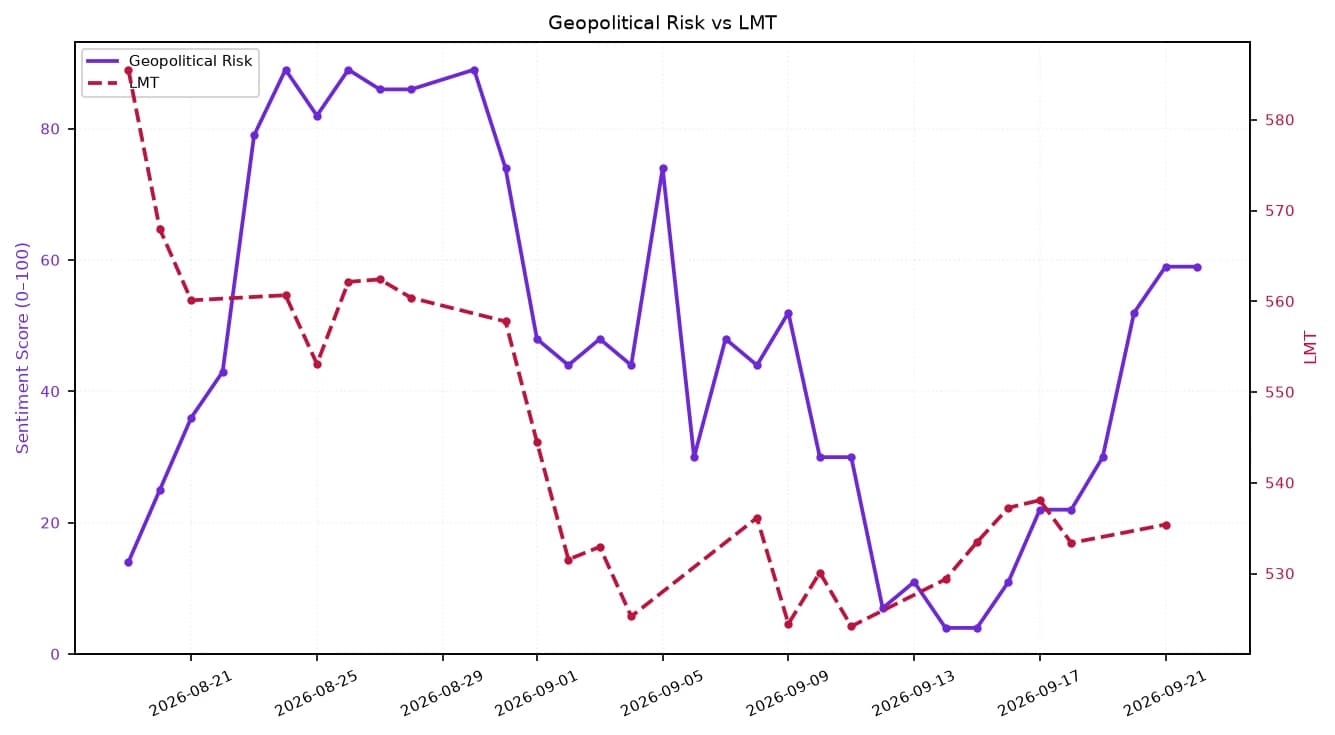
That is where investors should pay attention. Lockheed Martin and Northrop Grumman are already embedded in this next phase of defense spending, with their space businesses tied to missile warning, secure communications and deterrence architectures. Lockheed’s latest trading pattern shows a stock that had been strong above its 50-day moving average before slipping back sharply, while Northrop has also sold off from higher levels. The pullback does not erase the strategic backdrop; if anything, it may be giving long-term investors a better entry point into a multi-year rearmament theme.

Rocket Lab is the more asymmetric way to play the same story. Its shares have been volatile, but the company sits closer to the picks-and-shovels end of the space buildout: launch, spacecraft manufacturing and space systems. The company’s own filings point to fast-growing space systems revenue, and the stock’s dramatic swings suggest the market is still struggling to value the optionality in a world that needs more launch frequency and faster replacement of orbital assets. If space becomes a persistent theater of confrontation, suppliers with credible launch and satellite production capacity should gain leverage.
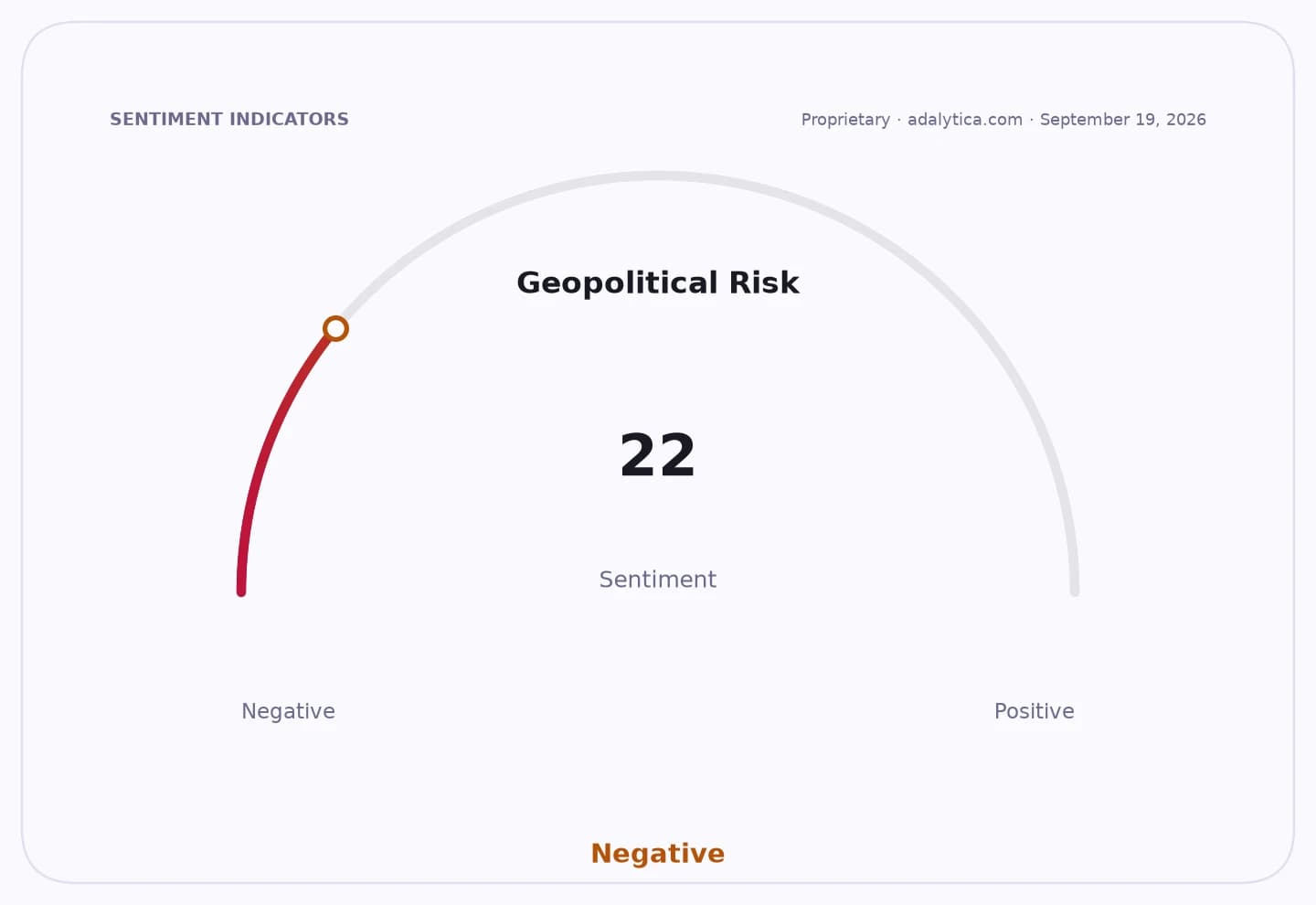
There is also a broader market signal here. Adalytica’s US-China Relations Sentiment gauge is flashing extreme tension, while global stability sentiment has deteriorated sharply. That does not trade satellites directly, but it does reinforce the same thesis: geopolitical stress is no longer episodic, and capital is likely to keep flowing toward defense, resilience and orbital infrastructure.
NASA’s successful launch of the Nancy Grace Roman Space Telescope on a SpaceX Falcon Heavy shows the same launch ecosystem is being stretched between science, commercial and defense demand. That matters because launch is becoming a strategic bottleneck. Whoever controls dependable access to orbit controls a critical chokepoint in the next phase of great-power competition.
The market underestimates how durable this cycle could be. Space is no longer an abstract frontier; it is an operating domain for military deterrence and economic continuity. For investors, that argues for owning the companies that build, launch, monitor and harden the systems that keep modern life connected when the next crisis moves above the atmosphere.
| Entity | Gains | Losses |
|---|---|---|
| Lockheed Martin (LMT) | ▲Space-defense spending | ▼Complacent valuation |
| Northrop Grumman (NOC) | ▲Missile warning demand | ▼Budget pressure risk |
| Rocket Lab (RKLB) | ▲Launch and spacecraft demand | ▼Execution volatility |
| China / US adversaries | ▲Deterrence leverage | ▼Freedom of action in orbit |