Javier Milei’s attack on Spanish Prime Minister Pedro Sánchez over the Ceuta crisis has turned a diplomatic quarrel into a broader test of Spain’s political resilience at a moment when housing unrest, storm damage and weak market sentiment are already weighing on the government.
Spain ETF EWP Falls as Ceuta Dispute Worsens
The Argentine president’s remarks, delivered during a parallel event to the UN General Assembly, matter because they sharpen tensions between two governments whose economic interests are closely tied through trade, investment and tourism. Ceuta, the Spanish enclave on the North African coast, is not just a symbolic flashpoint: instability there can quickly spill into border security, migration policy and investor perceptions of Spain’s ability to manage geopolitical risk on Europe’s southern edge.
Sentiment Indicators
For Sánchez, the political cost is immediate. He is already under pressure at home from a worsening housing crisis that has become a defining social grievance, while flooding and heavy rains have added to the sense of government strain. Public frustration with rents and supply shortages has fed criticism that policy responses are too slow or too interventionist, increasing the risk of further backlash if external disputes amplify the impression of administrative weakness.
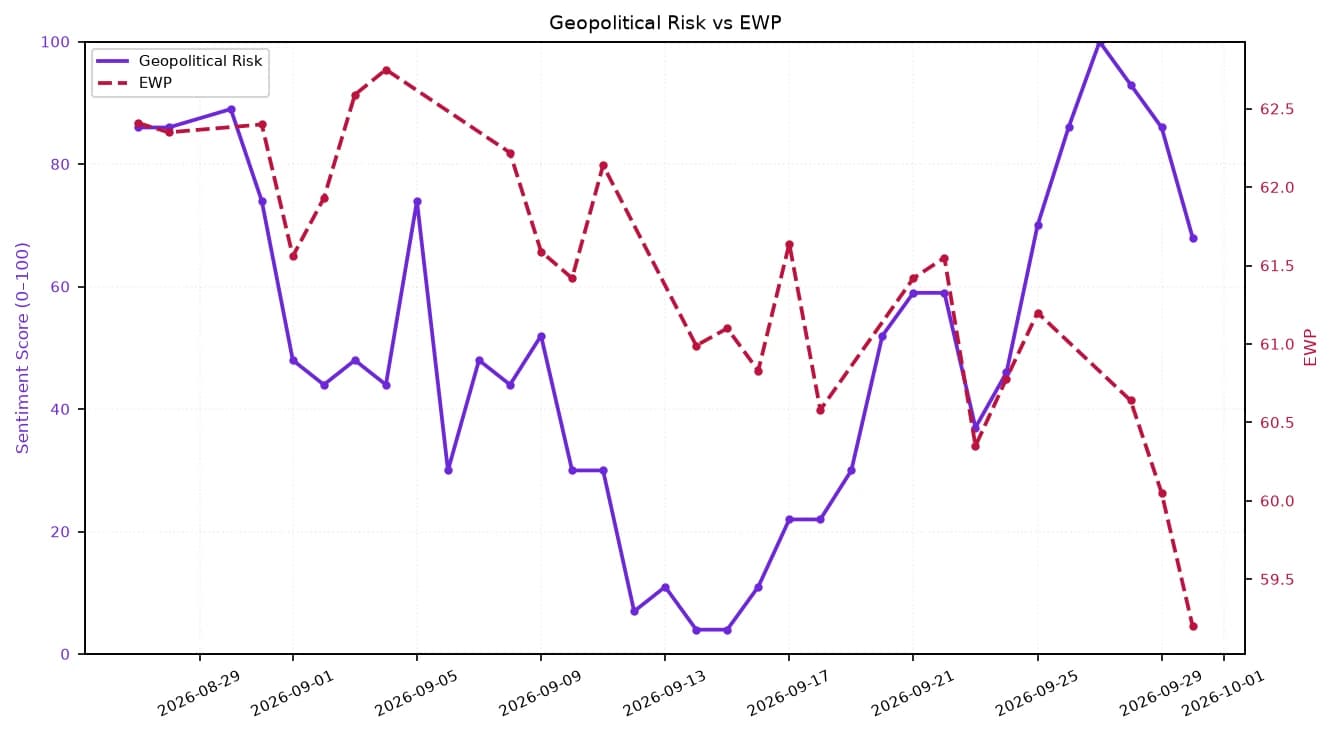
For investors, the significance is less about Milei’s rhetoric than about what it underscores: Spain is confronting multiple sources of volatility at once. On the market side, Spain-focused ETF EWP has retreated to $59.20 from a recent high of $62.14, slipping below its 50-day moving average near $61.64. The relative strength index has fallen to 37.9, while the MACD remains below its signal line, signs that momentum has softened after a summer advance. Germany’s EWG and China’s FXI have also weakened, but Spain’s underperformance stands out against the backdrop of rising political noise.
That matters because Spain’s equities are sensitive to confidence in domestic demand, regulatory stability and the broader European risk backdrop. If the Ceuta spat broadens into a more sustained diplomatic rift, it could complicate relations at a time when the government is already trying to manage housing policy, inflation-sensitive households and weather-related disruption. The result is not an immediate market dislocation, but a layering of political risk that investors typically discount first through sentiment and then through valuations.
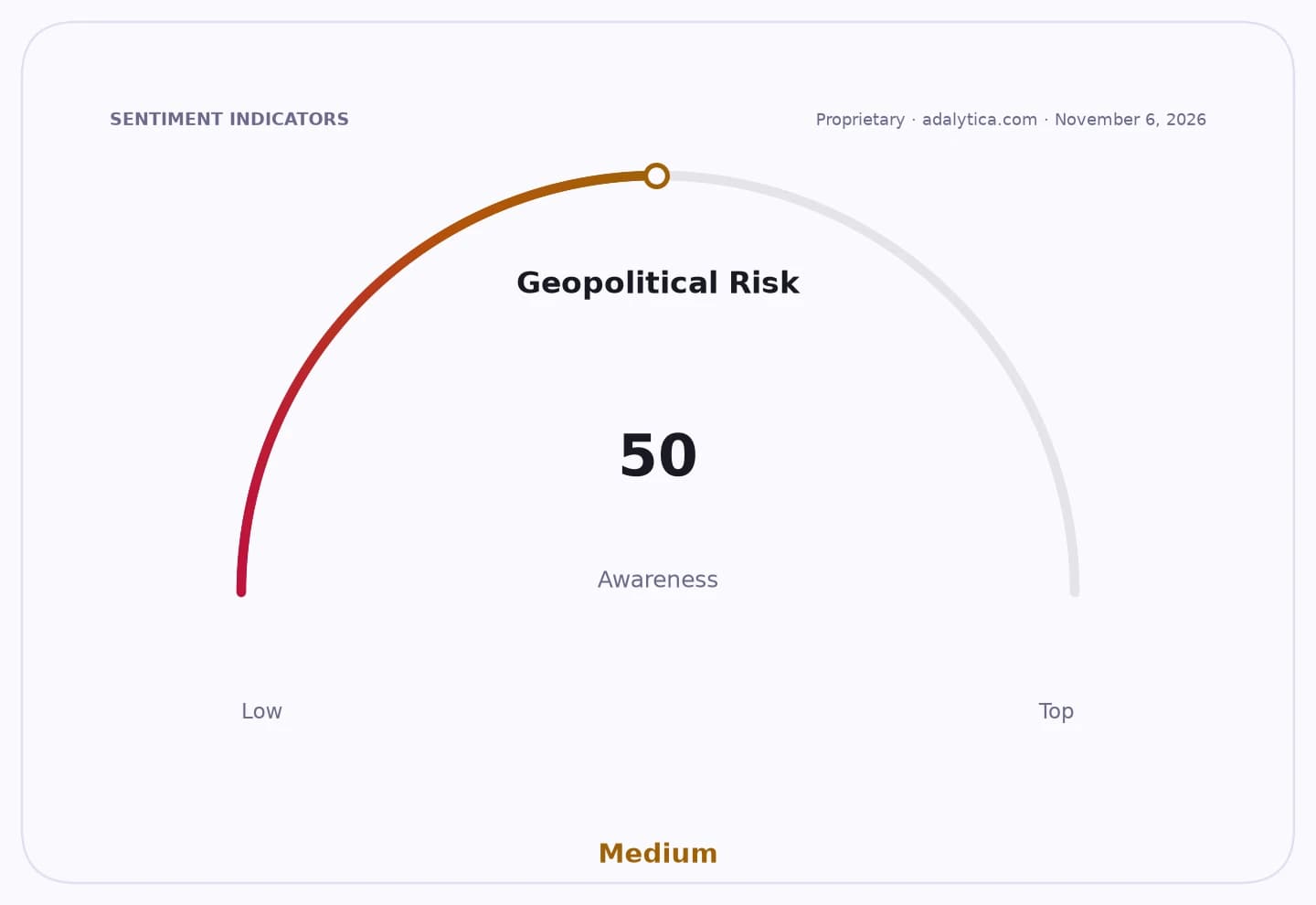
The broader narrative is one of vulnerability rather than crisis. Milei is using an international stage to score points against Sánchez, but the message lands in a country where domestic pressures are already eroding political capital. With global stability sentiment from Adalytica’s GEORISK gauge at a neutral 68 but market awareness still in “extreme fear,” the episode fits a pattern investors have been watching all year: political disputes matter most when they intersect with existing economic stress.
The next catalyst will be whether Madrid contains the dispute or allows it to become part of a wider narrative about weakened governance. If Sánchez can keep the Ceuta issue from spilling into markets or coalition politics, the impact may remain limited. If not, the episode could deepen the discount investors are already imposing on Spanish assets.
| Entity | Gains | Losses |
|---|---|---|
| Javier Milei | ▲Political visibility | ▼Diplomatic goodwill |
| Pedro Sánchez | ▲— | ▼Domestic and international pressure |
| Spain equities | ▲— | ▼Risk premium |
| Argentina critics of Sánchez | ▲Messaging boost | ▼Policy focus |