Spain is lifting its statutory minimum wage by 3.1% in 2026, a smaller increase than most of its European peers and one that keeps the country near the bottom of the EU rankings for annual wage growth.
Spain raises minimum wage 3.1% in 2026
The government will raise the salario mínimo interprofesional to €1,425 gross a month, paid over 12 installments, or €1,221 a month when it is spread across Spain’s 14-payment system. That leaves Spain with the eighth-highest minimum wage among the 22 EU countries in the latest Eurofound data, but it also means only France and Luxembourg posted smaller increases this year.
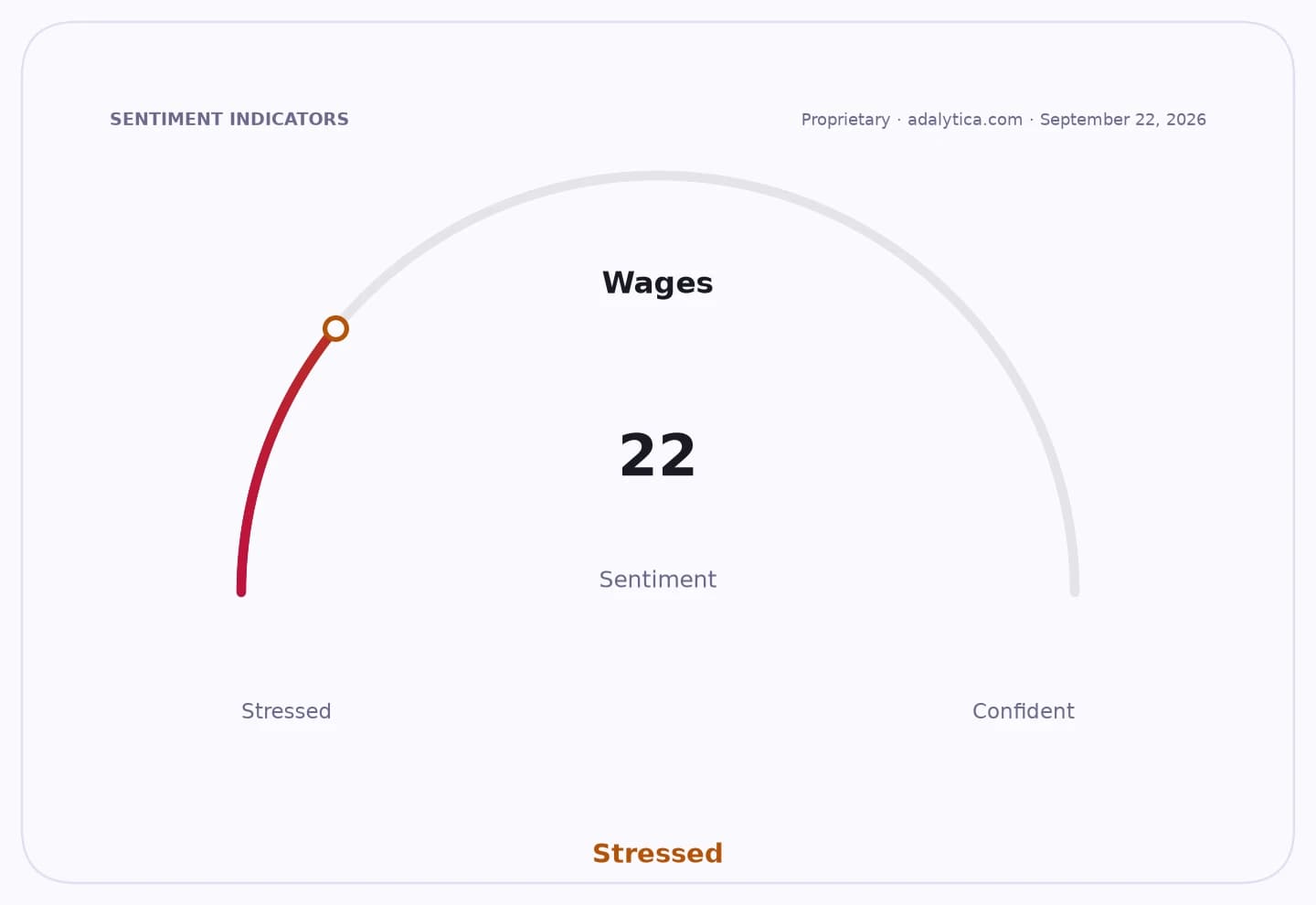
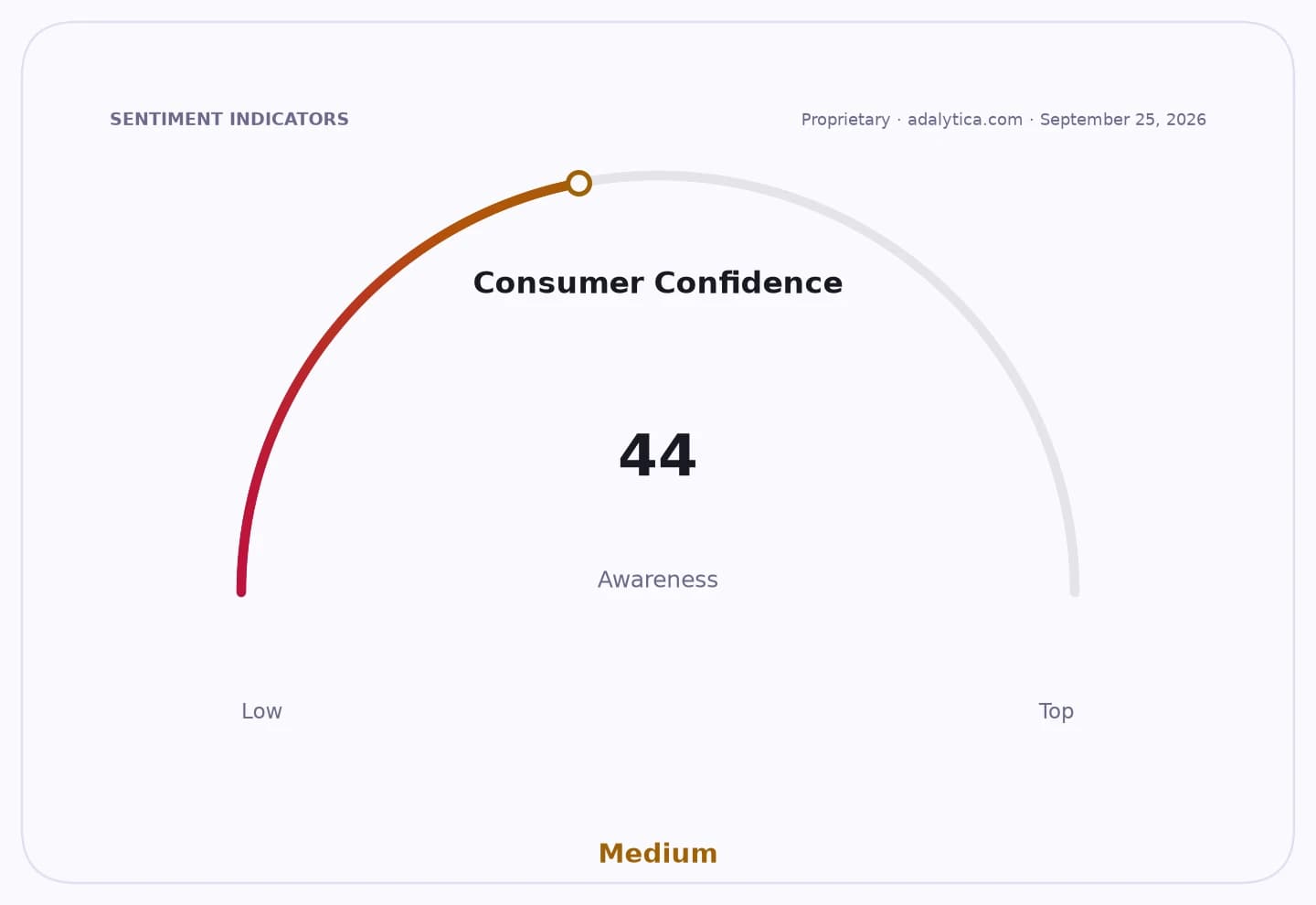
Sentiment IndicatorsⓘProprietary · adalytica.com · September 3, 2026
This is a snapshot — live sentiment, awareness and momentum for 130+ markets update continuously in the dashboard.Open AlphaPulse
Hungary led the bloc with an 18.6% jump, followed by Slovenia at 16%, while Bulgaria, Slovakia, the Czech Republic and Lithuania all raised their minimum wages by more than 10%. Germany, Ireland, the Netherlands, Belgium and Slovenia also delivered larger increases than Spain, underscoring how modest Madrid’s move is in relative terms even as it extends a decade-long rise in pay floors.
For workers, the policy still matters because Spain’s minimum wage has climbed more than 40% in real terms over the past 10 years, making it increasingly central to the labor market. Eurofound says the SMI now covers about 10% of Spanish workers, up from just over 4% in 2015, the fourth-highest share in the EU and a sign that minimum-wage policy now reaches well beyond the lowest-paid jobs.
That has broader economic implications. Spain’s minimum wage is now close to 50% of median earnings, which can compress pay bands for workers just above the floor and limit the room for firms to raise wages across the lower end of the labor market. At the same time, Spain does not levy income tax on minimum-wage earnings, easing the hit to take-home pay compared with many European peers.
Investors and employers are likely to watch whether the latest increase feeds into wage inflation, hiring decisions and margin pressure in labor-intensive sectors such as retail, hospitality and care. Eurofound’s assessment that recent increases have delivered only a small gain in purchasing power suggests the policy is still struggling to outpace living-cost pressures, even after years of steep rises.
The next focus is enforcement and broader pay spillovers, especially in sectors already facing labor-inspection scrutiny over working-time rules. With Spain’s minimum wage now entrenched as a major reference point for a larger slice of the workforce, future adjustments will continue to shape consumer spending, business costs and the wider debate over competitiveness.
| Entity | Gains | Losses |
|---|---|---|
| Low-paid Spanish workers | ▲Higher legal pay floor | ▼Limited real purchasing power gains |
| Spanish employers in labor-heavy sectors | ▲Gradual, predictable rise | ▼Higher wage and cost pressure |
| Workers just above the SMI | ▲Possible pay compression protection concerns | ▼Smaller gap versus minimum wage |
| Other EU governments with faster hikes | ▲Stronger wage-policy signal | ▼Greater near-term labor-cost strain |