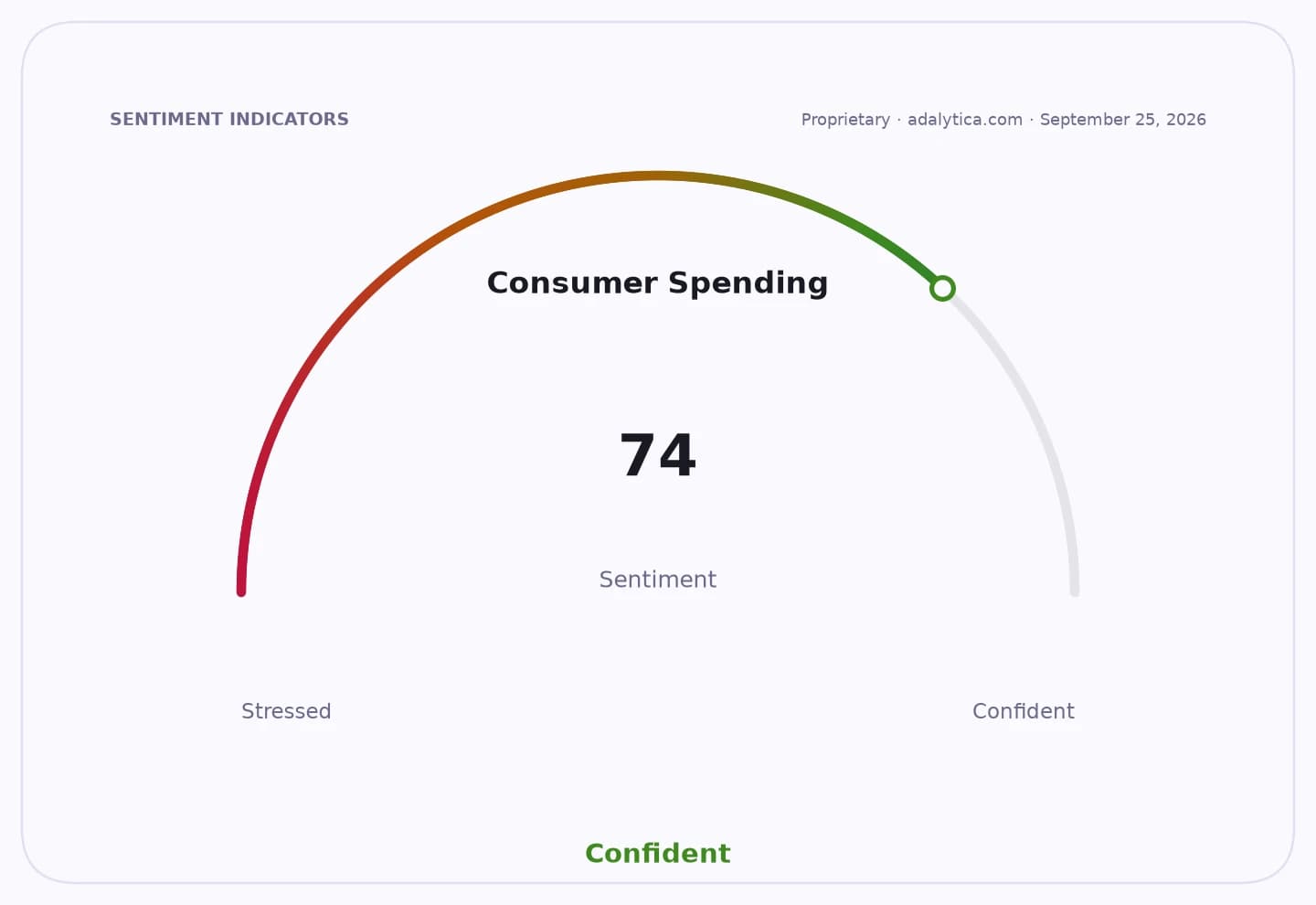
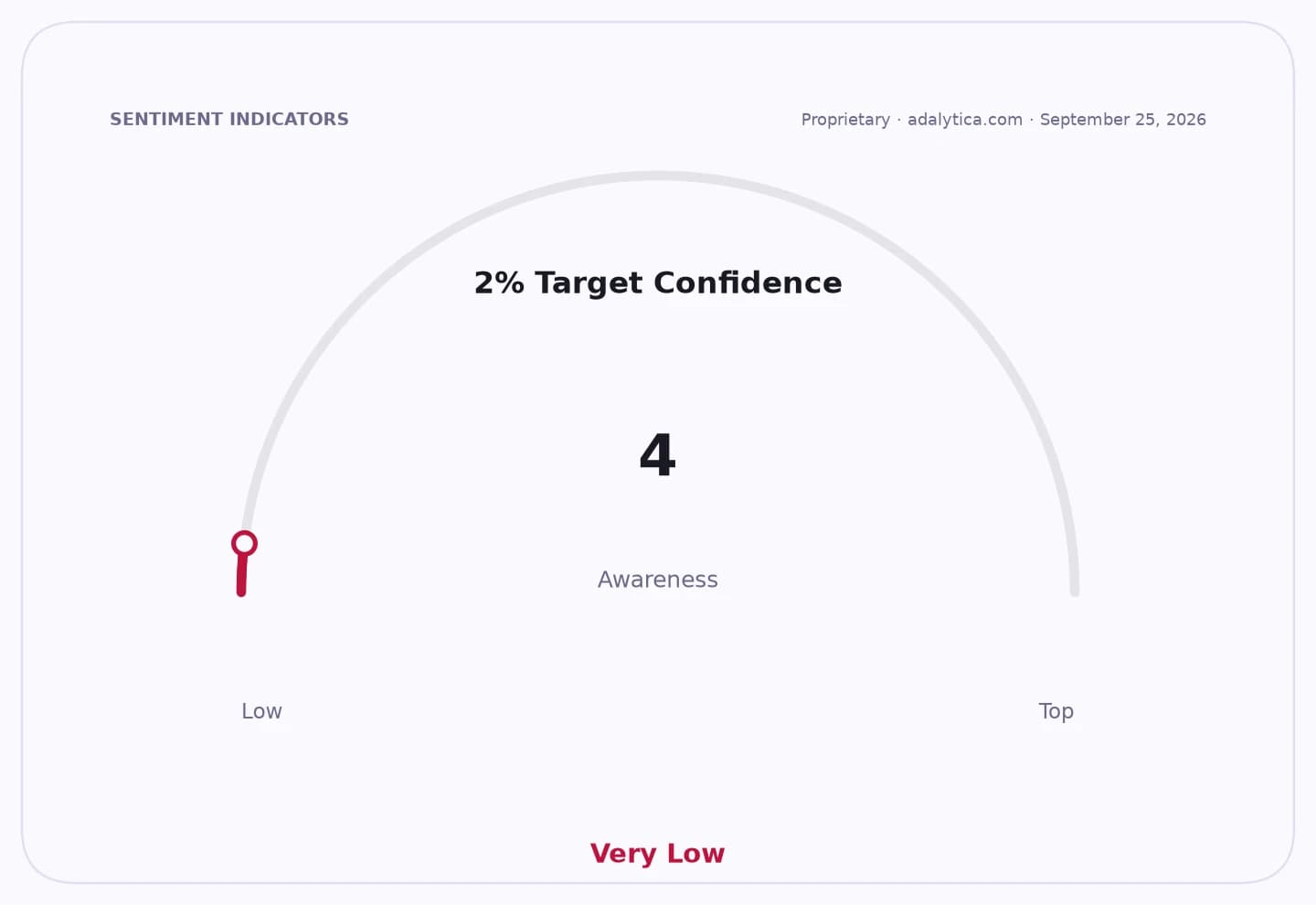
The S&P 500’s push to 757.67 puts stop-limit discipline back at the center of the market story: after a violent spring drawdown and a sharp summer rebound, investors are no longer being paid to chase every breakout, they are being paid to protect gains and let winners run. That matters because in a market near all-time highs, the next big source of returns may come less from heroically buying dips and more from avoiding the round-trip that usually follows euphoric positioning.
SPY at 757.67 Above 50-Day and 200-Day Averages

SPY is now trading above its 50-day moving average of 744.59 and its 200-day average of 697.91, a sign the broad uptrend remains intact even after the index ripped from a March low near 646.90. But the rally has also left the market stretched: the relative strength index is 53.9, recovering from extreme levels earlier this year, while the price is pressing against the upper Bollinger Band at 759.81. That is not the setup for reckless chasing. It is the setup for disciplined entries, tighter stops and profit protection.

The technical backdrop explains why the stop-limit order matters so much right now. In March, SPY’s RSI sank to 25.8 and the index fell below its 50-day average, a classic risk-off break that punished late longs. Since then, the recovery has been powerful, with the fund rebounding from around 647 to the high 750s in less than five months. The danger now is not missing the trend; it is surrendering profits if momentum stalls just as positioning becomes crowded. Investors who used stops to cap downside earlier in the year can now use the same tool to defend upside.
The bond market is sending a related but mixed signal. TLT sits at 82.19, below both its 50-day average of 84.75 and its 200-day average of 85.84, with RSI at 31.0 and MACD still negative. That suggests Treasuries have not yet confirmed a durable safety bid, even as Adalytica’s proprietary trade signals show extreme awareness and greed in both SPY and TLT. In practical terms, the market is still rotating, not resolving. That keeps volatility alive and makes stop discipline more valuable than blind conviction.
For investors, the implication is straightforward: this is a market where the asymmetry increasingly favors those who protect capital and preserve gains, not those who assume momentum will carry indefinitely. The highest-conviction play is to stay exposed to the secular bull case in U.S. equities, but to manage that exposure with clear exit rules, especially after a surge into overbought territory. In a year defined by sharp reversals, stop-limit orders are not just defensive tools — they are the mechanism that lets investors stay in the game long enough to capture the next leg higher.
| Entity | Gains | Losses |
|---|---|---|
| Long-only SPY holders | ▲Trend exposure | ▼Round-trip risk |
| Stop-limit users | ▲Downside control | ▼Some upside chase |
| Momentum chasers | ▲Short-term breakout participation | ▼Crowded-entry risk |
| TLT holders | ▲Defensive hedge appeal | ▼Price pressure below moving averages |